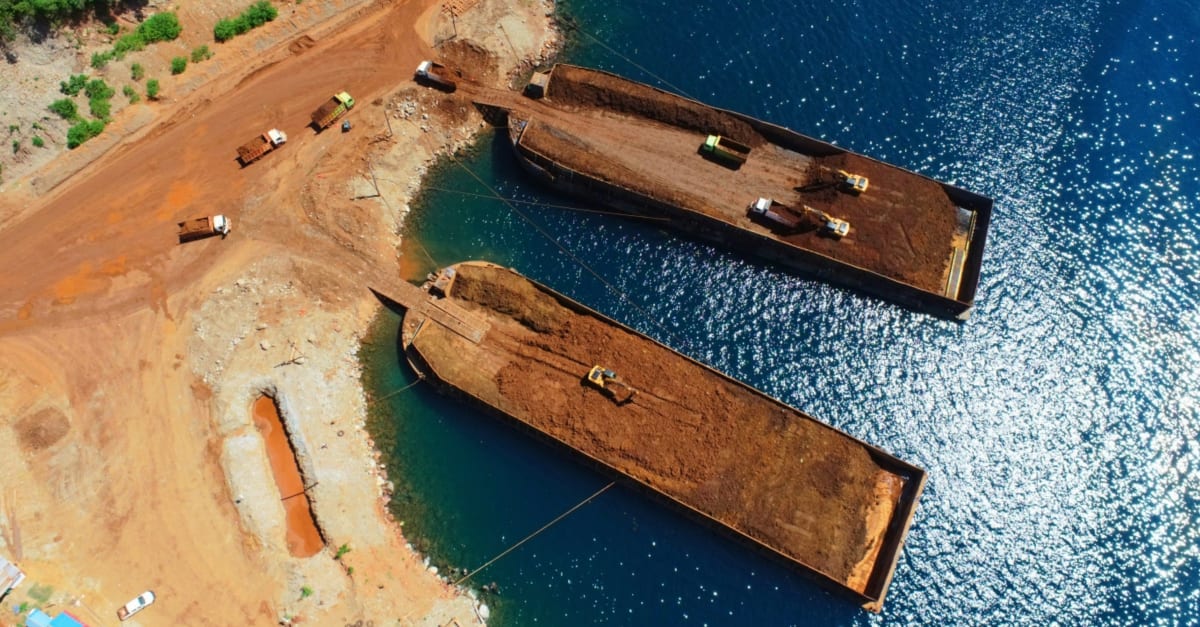
Nickel markets have experienced a significant shift as prices reached their highest level in two years, hitting new record highs. This increase is attributed to reduced mining quotas in Indonesia, which is considered one of the world's largest nickel producers, alongside a global shortage of sulfur, a key element in battery production.
Indonesia plays a crucial role in the nickel market, contributing approximately 30% of global production. However, the measures taken by the Indonesian government to cut mining quotas aim to protect the environment and promote sustainability. While these steps are important, they have led to a reduction in supplies in global markets, significantly contributing to price increases.
Details of the Event
Recently, financial markets have witnessed significant fluctuations in nickel prices, with an increase of over 5% in a single day, reaching levels not seen since 2021. This rise reflects the growing demand for nickel in the battery industry, especially with the increasing interest in electric vehicles and green technology.
Furthermore, the shortage of sulfur, which is used in battery production, has complicated the situation. Sulfur is a vital element in the manufacturing of lithium-ion batteries, widely used in electric vehicles and electronic devices. As demand for these batteries rises, the sulfur shortage poses a major challenge for the industries involved.
Background & Context
Historically, nickel prices have experienced significant volatility, directly influenced by government policies in producing countries. In recent years, Indonesia has ramped up its nickel production, contributing to price stabilization for a period. However, with new trends toward sustainability and emission reductions, the Indonesian government has begun to take stringent measures to decrease production.
In 2020, Indonesia announced a ban on the export of raw nickel, prompting many companies to invest in local nickel processing technology. This trend has led to increased local production but has also heightened pressures on global supplies.
Impact & Consequences
The current rise in nickel prices may have far-reaching effects on the electric vehicle industry. With increasing raw material costs, companies may be forced to raise their vehicle prices, potentially affecting demand in the markets. Additionally, rising prices could lead to increased investments in developing new battery production technologies, which may help reduce reliance on nickel and sulfur in the future.
Moreover, these developments could impact global financial markets, as investors turn to precious metals as a safe haven during times of uncertainty. Consequently, we may see a rise in investments in the metals sector, leading to further price volatility.
Regional Significance
For Arab countries, the rise in nickel prices could have multiple effects. Some countries like Oman and Egypt have nickel reserves and may benefit from higher prices to boost their economies. Additionally, rising metal prices may prompt Arab nations to enhance their investments in renewable energy and green technology sectors.
In conclusion, the rise in nickel prices is a result of multiple challenges facing the global market, necessitating countries and companies to consider new strategies to adapt to these changes.