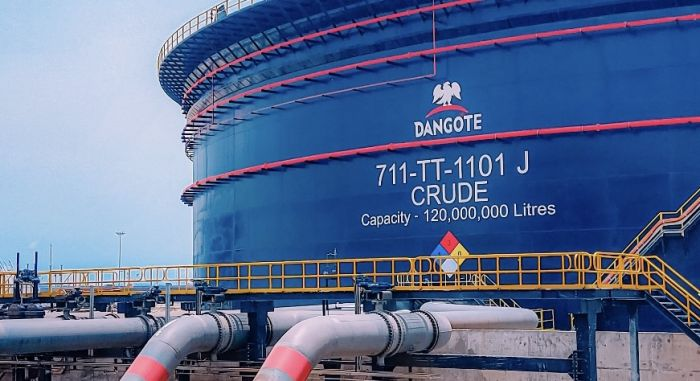
Nigeria has announced a doubling of crude oil supplies to the Dangote refinery in March, as Nigeria is the largest oil producer in Africa. This move is part of the Nigerian government's efforts to enhance fuel availability in the country, especially after the war in Iran led to disruptions in oil shipments from the Middle East.
The Dangote refinery, which is one of the largest refineries in Africa, is a crucial part of Nigeria's strategy to achieve fuel self-sufficiency. This increase in supplies has improved the refinery's capacity to meet local market needs, reflecting the government's commitment to boosting domestic production and reducing reliance on imports.
Details of the Event
In March, Nigeria significantly increased crude oil supplies to the Dangote refinery, delivering larger quantities of crude oil compared to previous months. This step came at a sensitive time, as global oil markets were affected by conflicts in the Middle East, leading to rising prices and increased demand for Nigerian oil.
This increase in supplies is a strategic move aimed at enhancing Nigeria's ability to meet its fuel needs, as the government seeks to reduce dependence on imports that have burdened the national economy. Officials have indicated that this step will contribute to greater stability in the local market.
Background & Context
Historically, Nigeria has faced significant challenges in the energy sector, heavily relying on imports to meet its fuel needs. However, in recent years, the government has begun taking serious steps to improve energy infrastructure and boost domestic production. The recently opened Dangote refinery represents part of these efforts, aiming for fuel self-sufficiency and reducing reliance on foreign sources.
These developments come amid significant changes in the global oil market, where conflicts in the Middle East have impacted oil supplies and led to price volatility. Nigeria, as one of the largest producers in Africa, seeks to capitalize on these conditions to strengthen its position in the global market.
Impact & Consequences
The increase in oil supplies to the Dangote refinery could have positive effects on the Nigerian economy, as it is expected to contribute to lower local fuel prices and improve economic conditions for citizens. Furthermore, this step reflects Nigeria's ability to adapt to global challenges and seize available opportunities.
Moreover, enhancing domestic production may contribute to creating new job opportunities and stimulating economic growth in the country. The Nigerian government hopes that these policies will lead to improved living standards for citizens and bolster economic stability.
Regional Significance
Nigeria is considered one of the key players in the global oil market, and any changes in its production could impact global prices. Amid current tensions in the Middle East, Arab countries may benefit from increased Nigerian production, as this could help achieve market balance and reduce price pressures.
Additionally, strengthening trade relations between Nigeria and Arab countries in the energy sector could open new avenues for economic cooperation, contributing to mutual interests in the region.