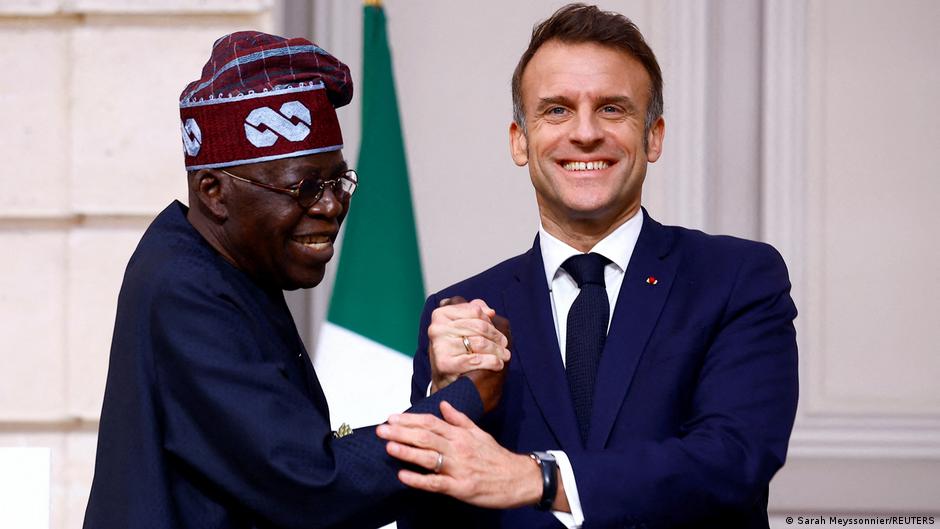
Nigeria is striving to enhance its security alliances to confront the escalating threats from terrorist groups, announcing the expansion of partnerships with several countries, notably France and the United States. This comes at a time when attacks from groups such as Boko Haram and the Islamic State in West Africa are on the rise, threatening the country's security and stability.
In this framework of cooperation, France has reaffirmed its commitment to support Nigeria in combating violent extremism in the Lake Chad region and the Sahel. The French support aims to bolster Nigeria's capacity to confront extremist Islamic groups, including Boko Haram and its splinter faction, the Islamic State in West Africa.
Details of the Cooperation
Discussions between Abuja and Paris include intelligence sharing, joint training, and capacity-building support for Nigerian security forces. Last week, Nigerian President Bola Tinubu had a phone call with his French counterpart Emmanuel Macron, focusing on the importance of cooperation in security matters.
Despite criticisms faced by French operations in the Sahel due to their limited successes, analysts point out that there are significant differences between Nigeria and its neighbors. The Nigerian military is generally considered better equipped and trained compared to its counterparts in neighboring countries, which may help mitigate the pitfalls associated with French operations.
Background & Context
Historically, Nigeria has suffered from ongoing threats from extremist groups for over 15 years. These threats have resulted in the loss of many lives and the destruction of property, prompting the government to seek international support. In this context, Nigeria sent a delegation led by National Security Adviser Mohammed Babagana Monguno to Brussels last month to engage with the European Union, where discussions centered on technology transfer and intelligence sharing.
These moves come at a time when coordinated attacks by Boko Haram and the Islamic State in Borno State are increasing, resulting in the deaths of dozens of soldiers and civilians. Attacks on villages and ambushes against military convoys reflect the ongoing threat posed by organized armed groups.
Impact & Consequences
Analyses indicate that foreign support, particularly from France and the United States, could significantly enhance Nigeria's capabilities in intelligence gathering, which has historically been a weakness in the country's counter-terrorism strategies. Both France and the United States possess advanced surveillance technologies, including satellite imagery and drones, which can enhance Nigeria's ability to monitor terrorist activities and respond to emerging threats.
Analysts also emphasize the importance of sufficient investment from the federal government to enhance the overall capabilities of the Nigerian military, rather than solely relying on external support. Building local capacities is crucial to ensuring the sustainability of security efforts.
Regional Significance
The security developments in Nigeria are of particular importance to the Arab region, as the rise of terrorist threats in West Africa may impact regional stability. Furthermore, cooperation between Nigeria and Western countries can serve as a model for Arab nations facing similar challenges in combating terrorism.
In conclusion, the security situation in Nigeria necessitates intensified international and local efforts to address the growing challenges. Integrating foreign expertise, technology, and intelligence support will be critical in tackling the increasing security crises.