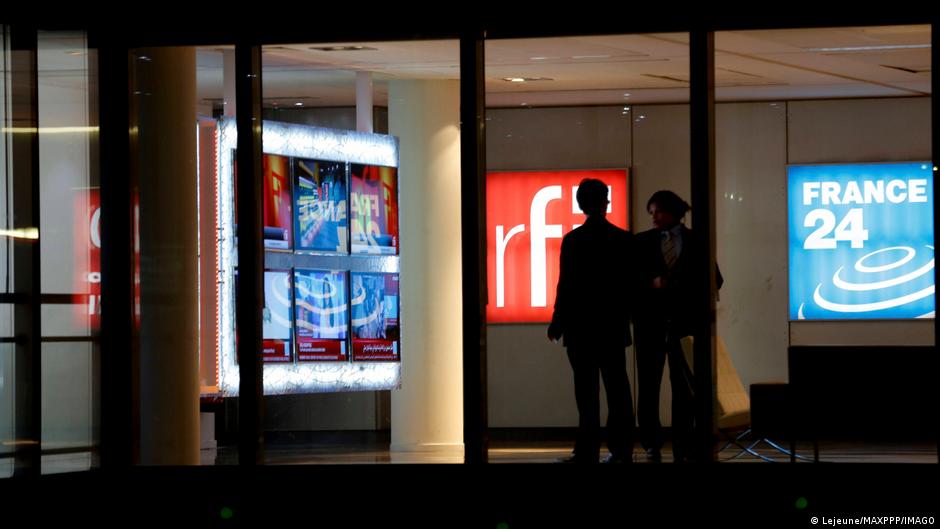
In a surprising move, Niger's military government announced the suspension of nine French media outlets, provoking strong reactions from Reporters Without Borders, which considers this decision a violation of press freedom. This ban comes at a sensitive time, as the region is experiencing increasing security tensions following recent events in neighboring Mali.
The military government accused the French media, which represents the former colonial power, of endangering national unity and public order, without providing clear evidence or examples to support these claims. The ban includes prominent media outlets such as the Agence France-Presse (AFP), France 24, and Radio France Internationale (RFI).
Details of the Ban
In a statement broadcast on state television, authorities confirmed that these media outlets were disseminating content that could threaten social stability and national unity. However, they did not specify the duration of the ban or clarify the nature of the content deemed unacceptable. Authorities also indicated that reports from these outlets could negatively impact the morale of the country's armed forces.
It is noteworthy that the ban came shortly after the military coup that took place in Niger in 2023, which led to a radical shift in relations with France, as the new government began strengthening ties with Russia. This shift reflects a change in the country's foreign policy, as Niger seeks to reduce its dependence on Western powers.
Background & Context
Historically, Niger was one of France's colonies in West Africa and has experienced several military coups since gaining independence in 1960. In recent years, tensions have escalated in the Sahel region, where countries like Niger, Mali, and Burkina Faso face increasing security threats from extremist groups.
The Sahel region is considered one of the most fragile areas in the world, with reports indicating that over 51% of global terrorism-related deaths occurred in this region in 2024. The increasing security crises in Niger, Mali, and Burkina Faso reflect significant challenges faced by governments in combating armed groups.
Impact & Consequences
Niger's decision to ban French media is part of a broader strategy aimed at suppressing press freedom in the region. Reporters Without Borders described this decision as a result of fabricated accusations and called for the immediate reversal of this arbitrary decision. This ban could hinder journalists' ability to cover events in an unstable region, making it more difficult to obtain reliable information.
Political shifts in Niger may lead to further tensions with Western powers, especially as French President Emmanuel Macron approaches a special conference in Kenya to enhance France's role in Africa. These developments are expected to exacerbate relations between Niger and Western countries, complicating the security situation in the region.
Regional Significance
Arab countries are directly affected by events in the Sahel region, as this area is a transit point for many security and economic challenges. The strained relations between Niger and France could impact regional stability, reflecting on Arab security as a whole.
Under these circumstances, Arab nations must closely monitor developments in Niger, as any escalation in tensions could affect Arab interests in the region, particularly in the fields of security and economic cooperation.