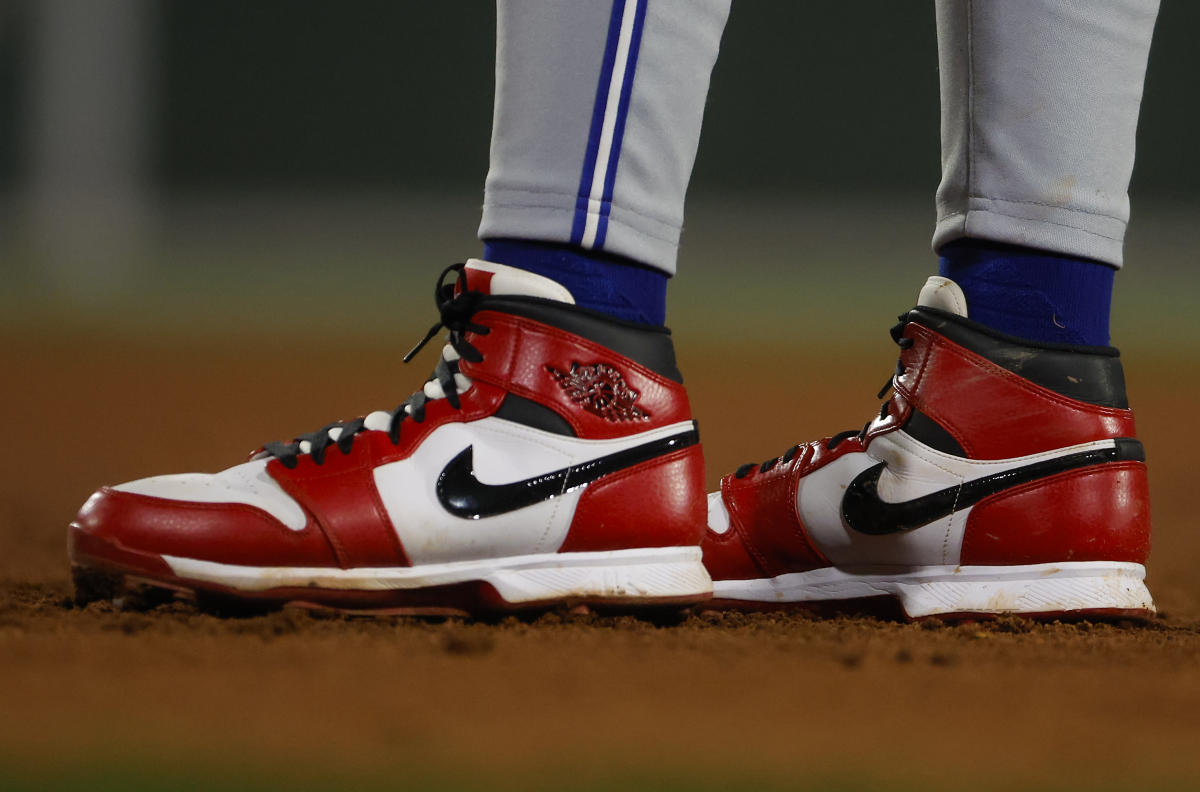
Nike, the giant in the sports apparel industry, has announced that its efforts to recover from the challenges it has faced are taking longer than expected, resulting in a more than 14% drop in its stock during trading on Wednesday. This warning came after the company released its financial results for the third quarter of the fiscal year, where investors were hoping to see signs of its recovery.
During a call with analysts, Chief Financial Officer Matt Friend warned that sales would decline by a low single-digit percentage through the end of this year, as downturns in the Chinese market are expected to impact the growing strength in North America.
Nike's Sales Forecast and Market Challenges
Nike expects its sales to decline between 2% and 4% in the current quarter, which is worse than analysts' forecasts that indicated a growth of 1.9%. The company also projected a 20% drop in sales in China, even with a slight benefit from currency exchange rates. The company's ongoing efforts to clean up its inventory in China and boost full-price sales will continue to be a barrier to revenue growth until fiscal year 2027.
Nike anticipates that it will begin to move past the period during which it faced higher tariffs in the first quarter of fiscal year 2027, which could ease year-over-year profit comparisons. However, the company's overall profit margins have declined for seven consecutive quarters, and improving this metric may be challenging due to rising input costs from global crises.
Background & Context
Nike was founded in 1964 and has since become one of the largest sports apparel companies in the world. However, the company has faced significant challenges in recent years, including intense competition from other brands and shifts in consumer behavior. This has coincided with global economic crises, such as the COVID-19 pandemic, which affected supply chains and retail markets.
The Chinese market is one of Nike's largest, but it has seen a notable decline in demand, significantly impacting the company's revenues. At the same time, Nike is striving to strengthen its presence in other markets, such as North America, where it continues to achieve positive results.
Impact & Consequences
Nike's recent warnings highlight the ongoing challenges faced by major companies in a volatile economic environment. These challenges have led to a downgrade of Nike's stock by three of the largest banks on Wall Street, including Goldman Sachs, JP Morgan, and Bank of America, reflecting a decline in investor confidence in the company's ability to recover in the near future.
This stock decline serves as a wake-up call for other companies in the retail sector, which must be prepared to face economic challenges and global disruptions that may affect supply chains and consumer behavior.
Regional Significance
Although Nike is considered a global brand, its influence extends to Arab markets as well. The brand's popularity in the region has increased, as Arab youth seek to acquire its products. However, the challenges faced by Nike in major markets may impact its strategies in the region, potentially leading to changes in pricing or product availability.
In conclusion, Nike remains in a difficult position, as it must confront ongoing challenges in the Chinese market while strengthening its presence in other markets. The company's ability to recover and return to growth will be closely watched by investors and analysts in the coming period.