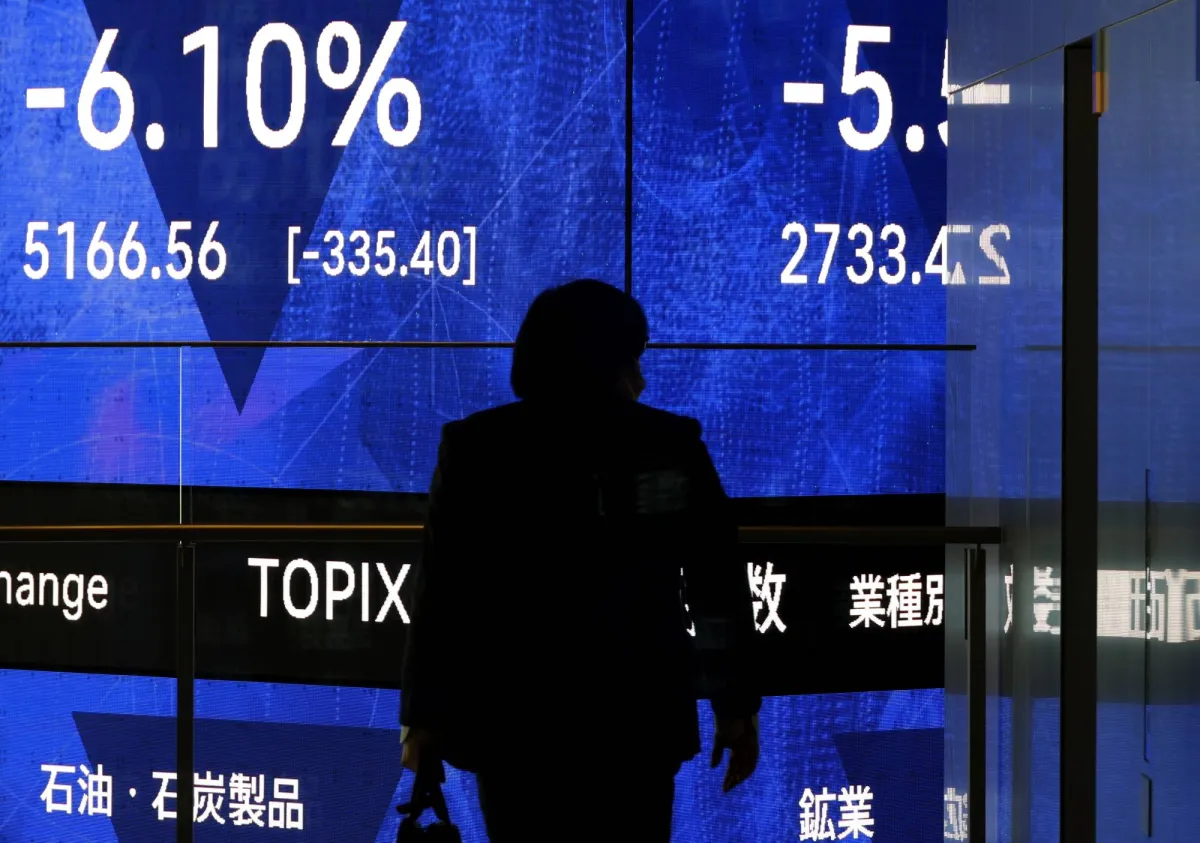
The Japanese Nikkei index ended Friday's trading session with a slight decline, dropping by 0.4% to close at 53,373.07 points. Although the index reduced some of its previous losses, the impact of concerns regarding the U.S.-Israeli war with Iran was evident, as stock purchases for dividend payouts did not sufficiently offset this effect.
These developments come at a time when the market has experienced notable volatility, with the Nikkei index falling by as much as 2% earlier in the session, thus ending a three-week losing streak. Meanwhile, the broader Topix index recorded a slight increase of 0.2%, reaching 3,649.69 points.
Event Details
Tomoyichiro Kubota, chief market analyst at Matsui Securities, reported that this period tends to see buying activity being easy from a supply and demand perspective, as Friday marked the last trading day to benefit from dividend rights. He also noted that some investors hope that U.S. President Donald Trump will ease pressure on Iran after the Nasdaq index confirmed its entry into correction territory, alongside a rise in U.S. Treasury yields for 10-year bonds to 4.4% percent.
Japan remains highly vulnerable to fluctuations in crude oil prices due to its significant reliance on imported energy. The closure of the Strait of Hormuz, through which approximately 90% of Japan's oil shipments pass, is a major factor affecting the Japanese economy. In this context, Trump stated that he would extend the deadline for Iran until April 6 to reach an agreement to end the war or face the destruction of its power plants. However, Tehran rejected the U.S. proposal, escalating tensions further.
Background & Context
Historically, relations between the United States and Iran have seen increasing tensions, particularly after Washington withdrew from the nuclear agreement in 2018. These tensions have led to an escalation of military conflicts in the region, directly impacting global financial markets, including Japanese markets. Additionally, rising oil prices due to the conflict could exacerbate inflation in Japan, placing further pressure on the Bank of Japan.
At the same time, data from the Bank of Japan indicated that demand has exceeded supply capacity for the fifteenth consecutive quarter, suggesting a greater likelihood of price increases. This data reflects ongoing inflationary pressures in Japan, which may prompt investors to exercise caution in their bond investments.
Impact & Consequences
Attention is turning to the impact of these events on global financial markets. Japanese government bond yields have seen a significant rise, with 5-year bond yields reaching record levels. Yields on 10-year bonds increased by 8 basis points, marking the highest level in two months. These increases reflect growing concerns about inflation and the effects of the conflict in the Middle East.
Moreover, the rise in global oil prices, which have surpassed 100 dollars per barrel, could significantly affect the Japanese economy, increasing pressure on the Japanese government to take action to address these challenges. This situation represents a real test for Japanese monetary policy amid volatile global economic conditions.
Regional Significance
The Arab region is directly affected by the escalating tensions in the Middle East, as many countries rely on importing oil from this area. With the closure of the Strait of Hormuz, oil prices may rise further, increasing economic pressures on Arab nations. Additionally, any military escalation could impact regional stability and heighten uncertainty in the markets.
In conclusion, the situation in the Middle East remains a focal point of global interest, as concerns grow over the conflict's impact on the global economy and financial markets. Investors in the Arab region must closely monitor developments, as any changes in U.S. or Iranian policies could significantly affect market stability.