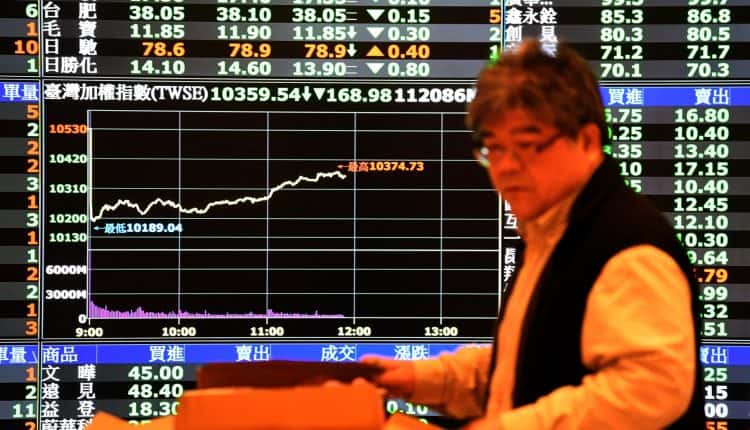
The Japanese Nikkei Index has achieved a historic milestone by closing above the 60,000-point level, finishing today's session on Monday up by 1.38% at 60,537 points. This rise was fueled by investor optimism regarding corporate earnings, amid ongoing monitoring of political and economic developments in the Middle East.
The broader TOPIX index also saw an increase of 0.5%, reaching 3,735 points. This strong performance in the Japanese market reflects a notable improvement in investor confidence, especially with positive expectations surrounding corporate results for the third quarter of the year.
Details of the Achievement
This milestone comes at a time when many expect the Bank of Japan to keep interest rates unchanged at 0.75% during the meeting scheduled for tomorrow, Tuesday. This decision is set against a backdrop of uncertainty regarding ongoing conflicts between the United States and Iran, which underscores the importance of economic stability in Japan.
The US dollar has stabilized against the Japanese yen at 159.29 yen, reflecting relative stability in the currency market. This stability may help bolster investor confidence in the Japanese market, particularly as foreign investments continue to flow in.
Background & Context
The Nikkei Index is one of the most prominent stock indices in Japan, reflecting the performance of the largest 225 companies listed on the Tokyo Stock Exchange. Since the beginning of the year, the index has recorded gains of up to 18.6%, indicating a robust recovery in the Japanese economy following the impacts of the COVID-19 pandemic.
Historically, the Nikkei Index has experienced significant fluctuations, having reached its peak in 1989 before undergoing a sharp decline in the 1990s. However, the current performance suggests a strong comeback and increasing confidence in the Japanese economy.
Impact & Consequences
The rise of the Nikkei Index is a positive sign for the Japanese economy and could significantly impact global markets. Investors worldwide are closely monitoring the performance of the Japanese market, as it may influence investment flows and other financial markets.
Moreover, this strong performance could enhance consumer confidence in Japan, potentially contributing to increased domestic spending. In light of global economic challenges, this is crucial for maintaining sustainable economic growth.
Regional Significance
As investors in the Arab region observe developments in global markets, the rise of the Nikkei Index may encourage increased Japanese investments in the Middle East. Japan is considered an important trading partner for many Arab countries, particularly in the fields of technology and energy.
Additionally, economic stability in Japan may help strengthen trade relations between Japan and Arab nations, leading to new opportunities for investment and cooperation in the future.
In conclusion, the Nikkei Index closing above 60,000 points marks a significant milestone in the history of the Japanese market, reflecting a substantial improvement in economic confidence. It remains to be seen how global markets will react to this achievement and whether it will lead to new investment flows in the region.