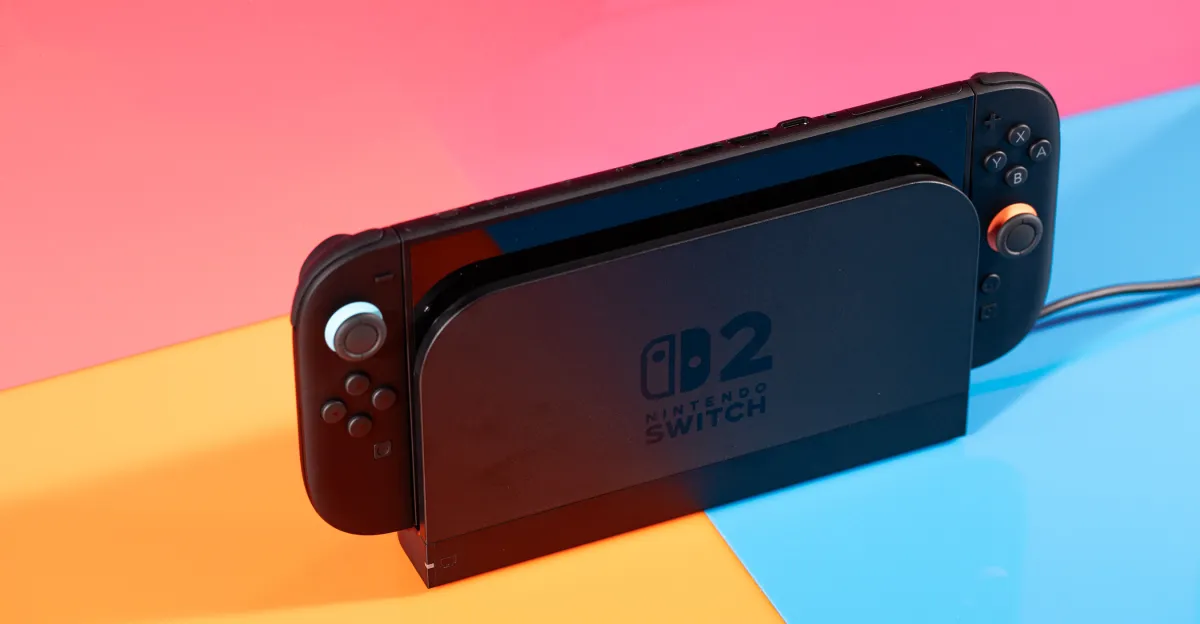
Nintendo, the Japanese gaming company, has made the decision to cut production of its new Switch 2 console, with only four million units expected to be produced this quarter, down from the previously planned six million units. This decision comes amid a decline in demand for the device in the American market, according to reports published by Bloomberg.
In related news, Nintendo's president, Shuntaro Furukawa, indicated during last month's earnings call that "international sales have been weaker than expected." This decline follows the launch of the console, which achieved record numbers in June of last year, becoming Nintendo's fastest-selling device after 3.5 million units were sold in the first four days of its release.
Details of the Production Cut
Nintendo plans to continue reducing production in April, reflecting the challenges it faces in the market. However, the company does not expect this reduction to impact its goal of selling 19 million units of the Switch 2 during the current fiscal year ending in March.
Like many technology companies, Nintendo is facing rising production costs due to increased memory prices. The company may consider raising the price of the Switch 2, but the current production cuts are primarily due to decreased consumer demand.
Background & Context
Nintendo was founded in 1889 and started as a playing card company before expanding into the video game industry. Over the years, Nintendo has released several successful consoles such as the Wii and Switch, which have significantly shaped the gaming industry. However, changes in consumer preferences and increasing competition from companies like Sony and Microsoft have affected its sales in recent years.
The Switch 2 is part of Nintendo's strategy to expand into global markets, but economic challenges such as inflation and rising production costs may impact its success. Additionally, geopolitical crises, such as the war in the Middle East, may play a role in determining the future of production.
Impact & Consequences
This move by Nintendo signals the challenges companies face amid declining demand in major markets. If this trend continues, Nintendo may have to reevaluate its marketing and production strategies, which could affect its competitive position in the market.
Furthermore, the reduction in production may impact the supply chain, potentially leading to delays in delivering products to markets. This situation could negatively affect the company's reputation and its ability to attract new consumers.
Regional Significance
In the Arab region, Nintendo is one of the companies that enjoys significant popularity among video game enthusiasts. With declining demand in major markets, this may affect the availability of consoles in Arab markets, limiting consumer choices. Additionally, potential price increases for the Switch 2 could impact consumers' purchasing power in the region.
In conclusion, the future of Nintendo with the Switch 2 hinges on its ability to adapt to market changes and consumer needs. Amid fierce competition, it will be essential for the company to continue innovating and providing new experiences to attract players.