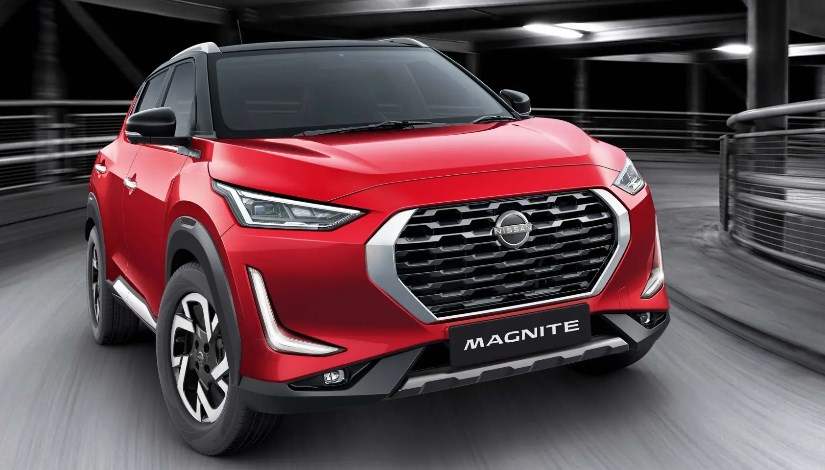
Nissan has announced its investments in Egypt, totaling approximately $276 million, making it one of the leading companies supporting the local automotive industry. This statement was made by Mohamed Abdel Samad, the company's Managing Director, during the inauguration ceremony of the new production line for the locally manufactured Nissan Magnite, which was attended by Dr. Mostafa Madbouly, the Prime Minister.
Abdel Samad explained that the launch of the Magnite represents a turning point in Nissan's journey within the Egyptian market, reflecting the company's commitment to enhancing national industry and developing local manufacturing capabilities according to the highest global standards.
Event Details
During the ceremony, Abdel Samad confirmed that Nissan possesses a strong industrial base that contributes to meeting local market needs, in addition to supporting export plans. The company has successfully exported more than 25,000 vehicles from Egypt to regional and global markets.
For his part, Engineer Khaled Hashem, Minister of Industry, stated that the local production of the Nissan Magnite represents an important step towards localizing the automotive industry in Egypt. He noted that this achievement reflects the success of the state's efforts to attract more global investments to the Egyptian market.
Background & Context
The automotive industry in Egypt is considered one of the vital sectors contributing to the support of the national economy. In recent years, significant efforts have been made by the Egyptian government to encourage investments in this field, with strategies aimed at enhancing local production and increasing exports.
The government is working to improve the business environment by providing incentives for investors, which has contributed to attracting global companies like Nissan to invest in the Egyptian market. This aligns with Egypt's Vision 2030, which aims to achieve sustainable development.
Impact & Consequences
Nissan's investments in Egypt are a positive indicator of global companies' confidence in the Egyptian economy. Additionally, the production of local vehicles enhances job opportunities and increases employment rates in the country.
These investments are expected to contribute to boosting Egyptian exports, thereby improving the country's trade balance. Furthermore, localizing the automotive industry will help transfer modern technology to the Egyptian market, enhancing local manufacturing capabilities.
Regional Significance
The automotive industry is one of the promising sectors in the Arab region, with many countries seeking to develop this industry. Nissan's success in Egypt may encourage other companies to invest in the region, thereby enhancing economic cooperation among Arab countries.
In conclusion, Nissan's investment in Egypt represents an important step towards strengthening national industry and increasing the country's competitiveness in the regional and international market.