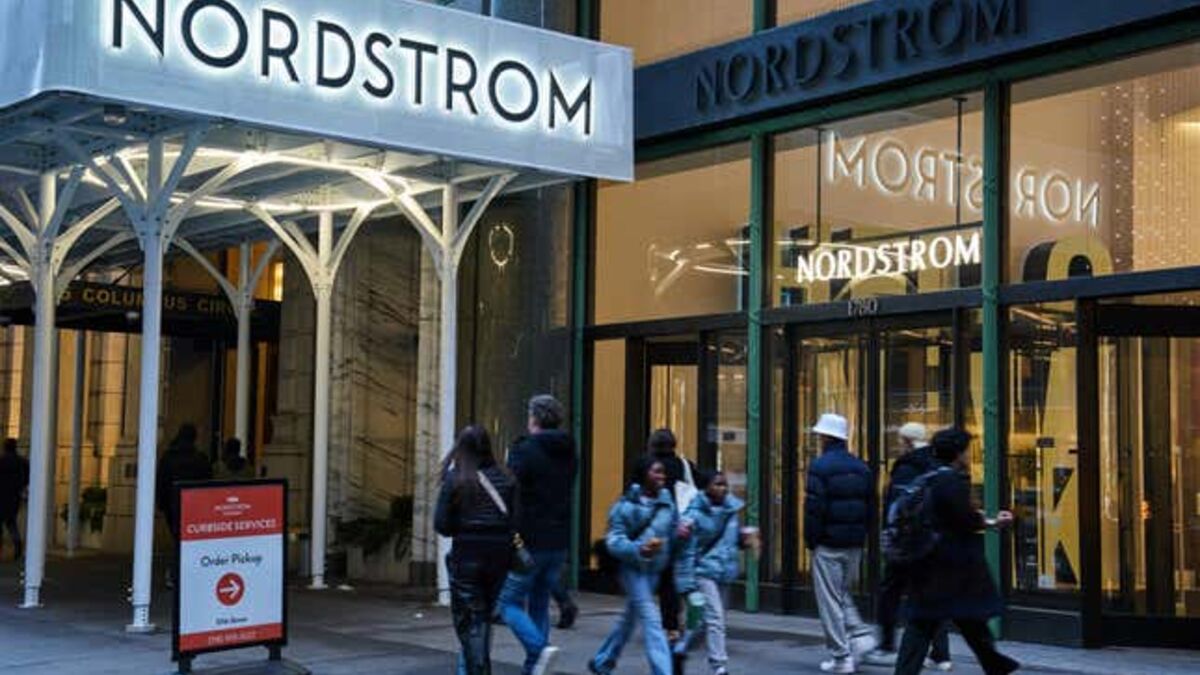
According to informed sources, sales at Nordstrom, one of the leading retail stores in the United States, have returned to levels seen before the COVID-19 pandemic, following a $6.25 billion private equity deal completed in 2023. This transaction converted Nordstrom into a private company, allowing it greater flexibility to adapt to rapid changes in the retail market.
This return to 2019 levels is a significant achievement, as many companies in the retail sector have struggled with the repercussions of the pandemic. Founded in 1901, Nordstrom was among the companies that were heavily impacted, but it managed to recover swiftly after transitioning to private ownership.
Event Details
This news comes at a critical time for the retail sector, as companies strive to recover from the pandemic's effects. The deal, which involved a group of investors, included substantial investments aimed at enhancing the shopping experience and expanding the range of products offered. Nordstrom, known for its luxury apparel, has bolstered its marketing strategies and developed its digital channels, contributing to increased revenues.
Figures indicate that Nordstrom has achieved sales exceeding expectations, reflecting the success of its new strategies. The company has also expanded its service offerings, including rapid delivery services, making it more competitive in the market.
Background & Context
Nordstrom was established in 1901 as a shoe store. Over the years, it has expanded to become one of the largest retail chains in the United States, offering a wide range of products including clothing and accessories. However, the company was significantly affected during the COVID-19 pandemic, with many of its stores closing and sales plummeting.
In 2020, Nordstrom began implementing new strategies to adapt to the new reality, including enhancing its digital presence and offering innovative shopping experiences. These strategies were essential for survival in the market, especially with increasing competition from online retailers.
Impact & Consequences
Nordstrom's return to 2019 sales levels could be a positive indicator for the rest of the retail sector. Other companies may benefit from studying Nordstrom's successful strategies, especially given the ongoing challenges many businesses face in this sector. Additionally, this recovery could bolster confidence in the market, potentially leading to new investments in retail.
Moreover, Nordstrom's success may encourage other companies to consider transitioning to private ownership as a means to enhance growth and adapt to rapid market changes. This trend could signal the beginning of a new phase in the retail sector, where companies move towards more flexible business models.
Regional Significance
Although Nordstrom primarily operates in the United States, its success may have implications for the Arab market. With the increasing interest in e-commerce and luxury retail in the region, Nordstrom's strategies may inspire Arab companies to adopt similar business models. Furthermore, its success in returning to pre-pandemic levels may encourage Arab businesses to invest in enhancing customer experiences and expanding their service offerings.
In conclusion, it appears that Nordstrom has set a model that can be emulated in the retail sector, reflecting the importance of adaptation and innovation in the face of challenges. Its success in returning to 2019 levels opens new horizons for the sector and reinforces confidence in companies' ability to recover and grow.