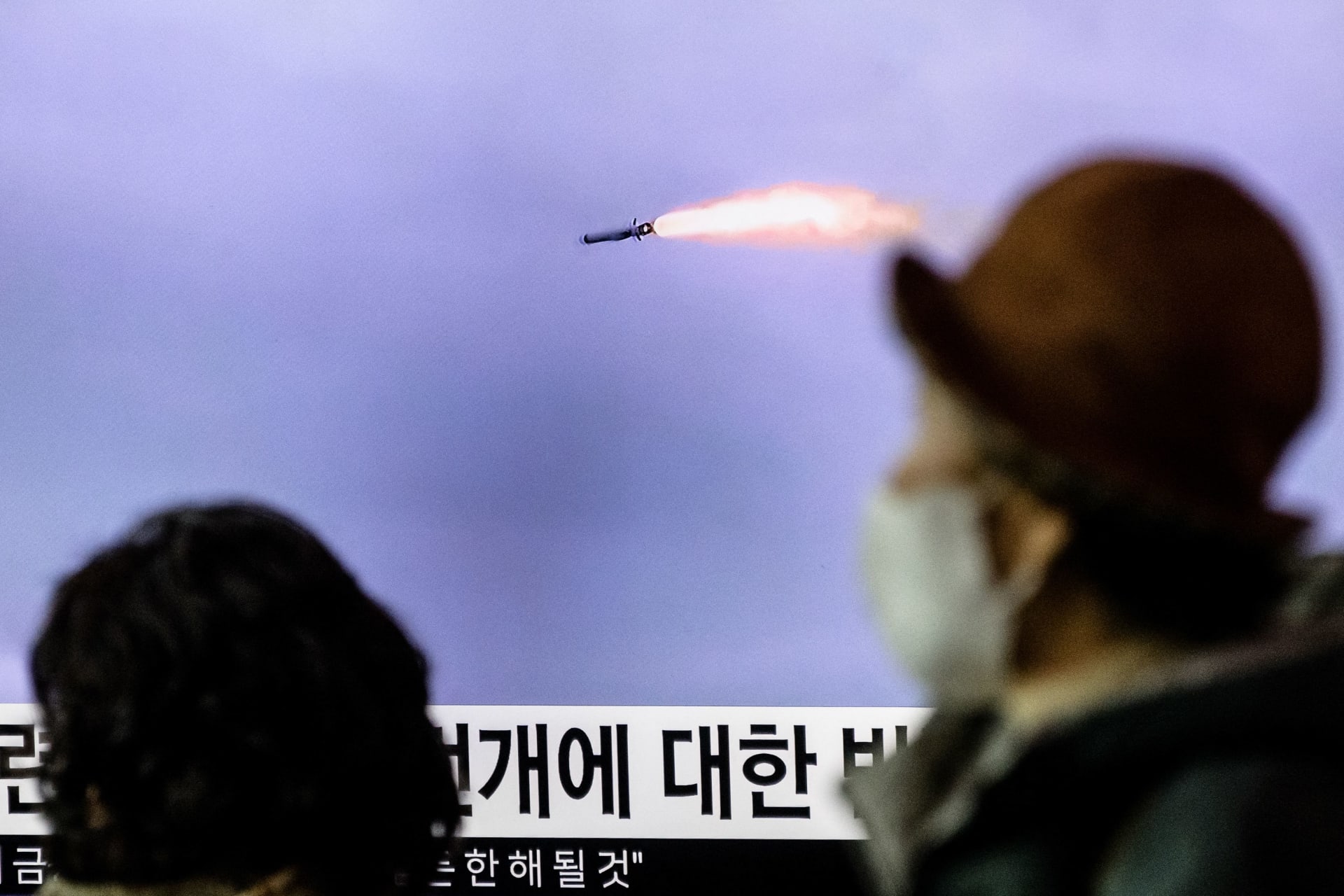
In a move reflecting an escalation in North Korea's rhetoric towards the United States, leader Kim Jong Un announced during a lengthy speech before the North Korean parliament that his country's nuclear power would act as a barrier against what he described as American hostility. This statement comes at a time when the region is witnessing increasing tensions, particularly amid the political and military crises gripping the Middle East.
Kim, considered one of the most enigmatic leaders in the world, used his speech to justify the continued development of his nuclear program, stating that this power is the only way to protect his country's sovereignty. He also pointed out that external threats, especially from the United States, necessitate the strengthening of North Korea's defensive capabilities.
Details of the Event
In his speech, Kim addressed what he termed American provocations, asserting that his country would not hesitate to use its nuclear power if necessary. He indicated that North Korea would continue to develop its nuclear weapons as part of its defensive strategy. These statements come at a time when fears are growing over escalating military tensions in the region, with increasing military maneuvers between the United States and South Korea.
Kim further added that his country would work to enhance cooperation with its allies, highlighting the importance of relations with countries like China and Russia in facing external challenges. This cooperation, according to Kim, will be essential to counter the increasing American pressures.
Background & Context
Historically, North Korea has experienced ongoing tensions with the United States since the end of the Korean War in 1953. As its nuclear program has developed, these tensions have intensified, with the United States considering the North Korean nuclear program a threat to regional and international security. Over the years, the United States has imposed strict economic sanctions on North Korea, further isolating the country.
In recent years, relations between North Korea and the United States have fluctuated, with some U.S. administrations attempting to negotiate with Pyongyang regarding nuclear disarmament. However, these talks have not made significant progress, prompting Kim to bolster his nuclear program as a means of ensuring the survival of his regime.
Impact & Consequences
Kim Jong Un's statements could lead to an escalation of tensions in the region, as the United States and its allies may respond by increasing military maneuvers or enhancing their military presence in the area. This escalation could result in a new arms race in Northeast Asia, heightening the risk of military conflict.
Moreover, North Korea's enhancement of its nuclear capabilities could impact regional security, as countries like Japan and South Korea may feel compelled to bolster their own defenses. This situation could lead to a shift in security dynamics in the region, complicating relations between nations.
Regional Significance
While the situation in North Korea may seem distant from the Arab region, events on the Korean Peninsula could indirectly affect regional stability. Escalating tensions in any part of the world can influence oil prices and financial markets, reflecting on the Arab economy.
Additionally, military tensions in other parts of the world may lead to increased migration and displacement, impacting Arab countries that host refugees. Therefore, monitoring developments in North Korea is crucial for Arab nations, as these could have repercussions for regional security and stability.