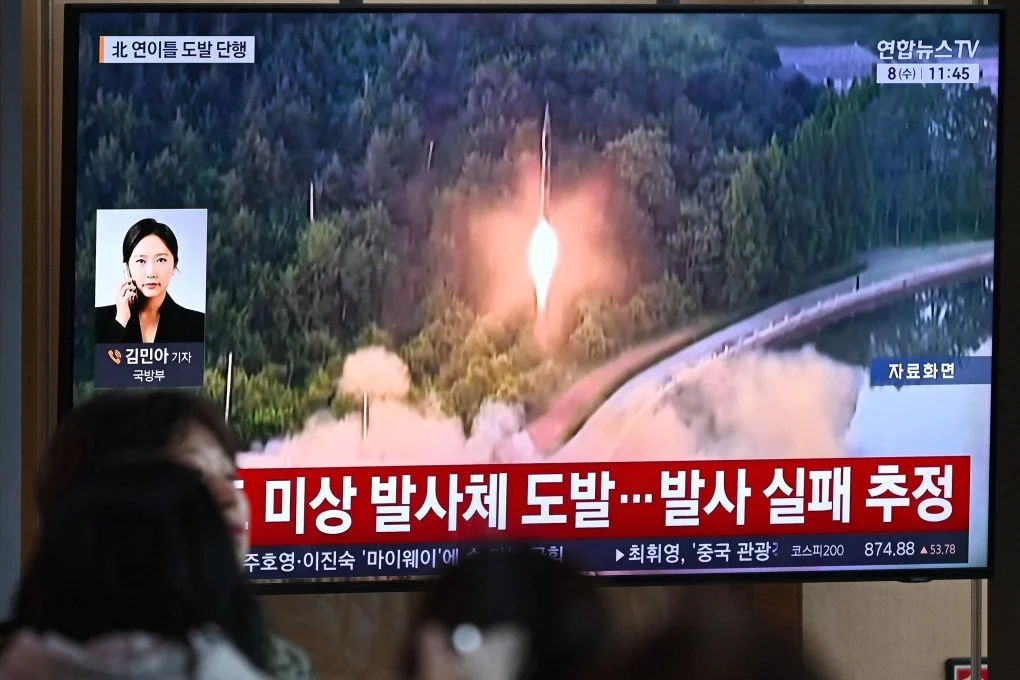
In a new escalation of tensions on the Korean Peninsula, North Korea fired several short-range ballistic missiles into the East Sea on Wednesday morning, according to South Korea's Joint Chiefs of Staff. This launch comes just one day after a previous missile test, reflecting a lack of any signs of de-escalation between the two Koreas.
The missiles were launched from an area near Wonsan on North Korea's eastern coast, with the missiles taking off around 8:50 AM. Reports indicated that the missiles traveled a distance of up to 240 kilometers before falling into the sea, highlighting North Korea's capability to develop its military weapons despite international pressures.
Details of the Missile Test
This missile test marks North Korea's fifth in recent weeks, as Pyongyang continues to demonstrate its military capabilities amid growing concerns over escalating tensions in the region. Military officials in South Korea and the United States have indicated that these activities serve as a show of force, given the ongoing sanctions imposed on North Korea due to its nuclear and missile programs.
Simultaneously, these military tests demonstrate North Korea's disinterest in easing tensions with the South, where there had been hopes for a resumption of dialogue between the two sides. However, these hopes appear to be distant following a series of missile tests that reinforce North Korea's aggressive stance.
Background & Context
Historically, the Korean Peninsula has experienced periods of tension and calm, with North Korea conducting missile and nuclear tests at various times. Since 2017, the region has witnessed a significant escalation in tensions following a series of nuclear tests conducted by Pyongyang, leading to the imposition of severe international sanctions.
Despite some previous attempts at rapprochement between the two Koreas, including summits held between North Korean leader Kim Jong Un and former South Korean President Moon Jae-in, these talks have not yielded tangible results. As military tests escalate, it seems that North Korea prefers to continue showcasing its military strength rather than engaging in serious dialogue.
Impact & Consequences
These missile tests pose a significant challenge to regional and international policies, as they heighten concerns about security in the area. Furthermore, North Korea's continued development of its military programs complicates international efforts to pressure it into abandoning its nuclear ambitions.
Moreover, these military activities raise alarms among North Korea's neighbors, particularly Japan and South Korea, which express concerns over potential threats. These tensions may lead to increased military cooperation between the two nations, strengthening regional alliances against Korean threats.
Regional Significance
The events unfolding in North Korea underscore the increasing tensions on the Korean Peninsula and their implications for regional and international security. The ongoing missile tests not only challenge diplomatic efforts but also provoke a strategic recalibration among neighboring countries.
In conclusion, the situation remains precarious as North Korea continues its military provocations, leaving little room for diplomatic engagement and raising the stakes for all parties involved.