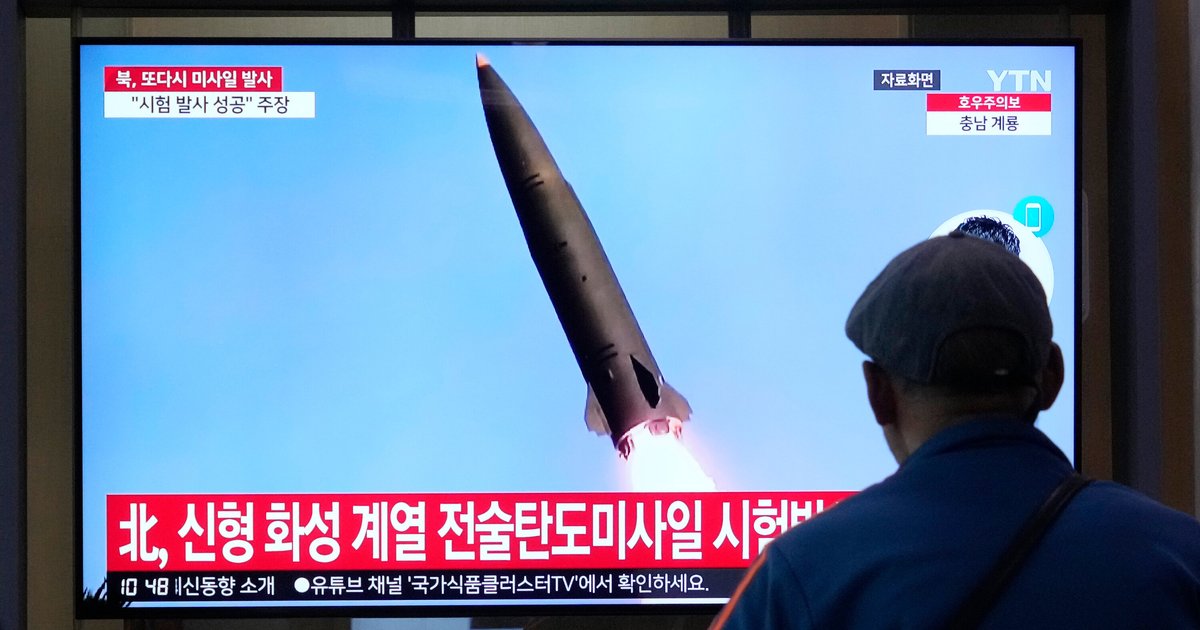
North Korea has conducted a new test of a missile engine believed to be capable of targeting US territory. This test comes at a sensitive time as tensions rise between Pyongyang and Washington, raising concerns in international circles about developments in the North Korean nuclear program.
The precise details of the test have not yet been disclosed, but reports indicate that this engine represents a significant step towards developing long-range missiles. North Korean state media confirmed that the test was successful, reflecting the country's ongoing advancements in military capabilities.
Details of the Event
This test follows a series of missile tests conducted by North Korea in recent months, which included the launch of short- and medium-range missiles. This escalation has raised alarms in the international community, particularly for the United States and South Korea, which view these activities as a threat to regional security.
North Korea considers the development of missiles capable of reaching US territory as part of its defensive strategy, aiming to enhance its deterrent capabilities in the face of external threats. Images released by state media showcased the new missiles, reflecting Pyongyang's determination to achieve its military objectives.
Background & Context
Historically, relations between North Korea and the United States have been marked by increasing tensions, especially following previous nuclear tests conducted by Pyongyang. In 2017, North Korea launched ballistic missiles capable of reaching US territory, significantly escalating tensions. Since then, the United States and its allies have attempted to impose sanctions on North Korea to curb its nuclear program.
Despite diplomatic talks that have taken place in recent years, tangible progress in nuclear disarmament has not been achieved. It appears that North Korea continues to develop its military capabilities, complicating the security situation in the region.
Impact & Consequences
This test could have significant implications for regional and international security. It may lead to heightened tensions between North Korea and the United States, potentially prompting military or diplomatic responses from Washington and its allies. Additionally, this development could affect stability in East Asia, where neighboring countries like Japan and South Korea may feel threatened.
Moreover, this test could bolster North Korea's position in any future negotiations regarding nuclear disarmament, as Pyongyang might leverage its military advancements to pressure the international community.
Regional Significance
While events in North Korea may seem distant from the Arab region, they have indirect effects on regional security. Increasing tensions between major powers could escalate tensions in other areas, including the Middle East. Furthermore, the development of North Korea's military capabilities may encourage other countries in the region to enhance their military programs, leading to an arms race.
In conclusion, North Korea's new missile engine test represents a significant step in the development of its military capabilities, raising concerns in international circles. The current situation requires close monitoring and ongoing analysis to understand its implications for regional and international security.