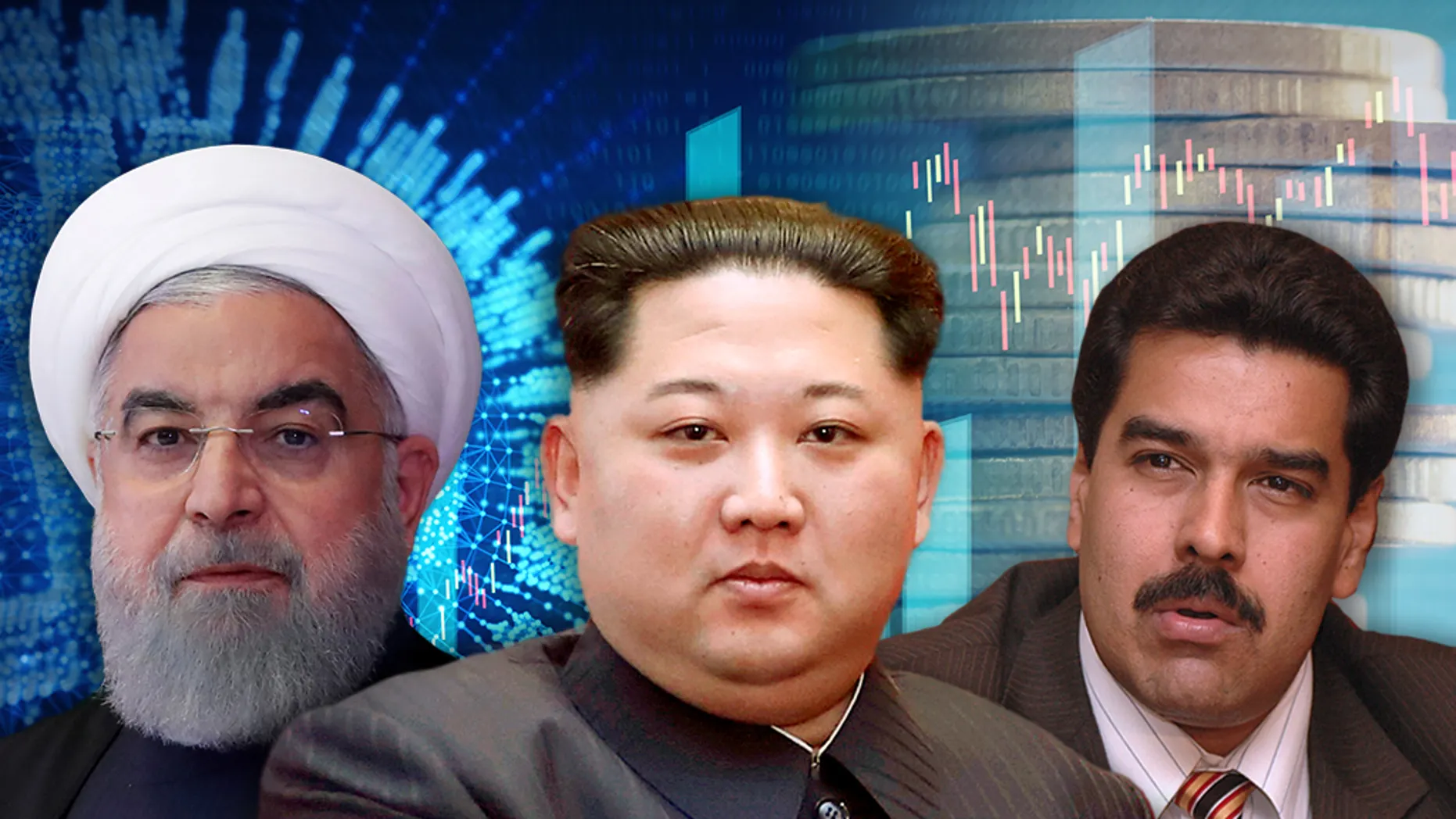
Reports from South Korean lawmakers indicate that North Korea has begun to take clear steps away from Iran, as it has not supplied weapons or sent any public diplomatic messages since the outbreak of the war in Iran. This information comes at a sensitive time characterized by increasing tensions in the region.
This move signifies a shift in North Korea's foreign policy, which was previously considered a strong ally of Iran. This new direction reflects Pyongyang's desire to reassess its strategic relationships in light of changing international circumstances.
Details of the Event
Since the beginning of the conflict in Iran, the absence of military support from North Korea has raised questions about the future of relations between the two countries. South Korean lawmakers noted that this distancing may be a result of increasing international pressure on North Korea, along with changes in the geopolitical landscape.
This development comes at a time when the region is witnessing significant transformations, as many countries seek to reassess their alliances. North Korea, facing both internal and external challenges, may need to focus on its own interests more than ever before.
Background & Context
Historically, the relationship between North Korea and Iran has been based on military cooperation and mutual support. However, with rising tensions in the region, it appears that both countries are moving towards reevaluating these relationships. Iran is facing internal and external challenges, while North Korea is trying to maintain the stability of its regime amid international pressures.
The shifts in relations between the two countries may also reflect changes in regional alliances. With increasing pressure on Iran from the United States and its allies, North Korea may find itself compelled to change its strategy to avoid further isolation.
Impact & Consequences
This distancing could have profound effects on the balance of power in the region. If North Korea continues to move away from Iran, it could lead to a reshaping of regional alliances and increase Iran's isolation. Additionally, this trend may open the door for other countries to strengthen their relations with North Korea.
On the other hand, this change in relations could affect regional stability, potentially leading to heightened tensions among competing states in the area. The transformations in the relationship between North Korea and Iran may also reflect broader changes in international politics.
Regional Significance
For the Arab region, North Korea's potential distancing from Iran could have political and security implications. This may lead Arab countries to reassess their relationships with both North Korea and Iran, especially amid ongoing tensions in the Middle East.
This development may also pique the interest of Arab nations in strengthening their ties with North Korea, particularly in areas of economic and trade cooperation. Given the current circumstances, there seems to be an urgent need to reevaluate alliances in the region.