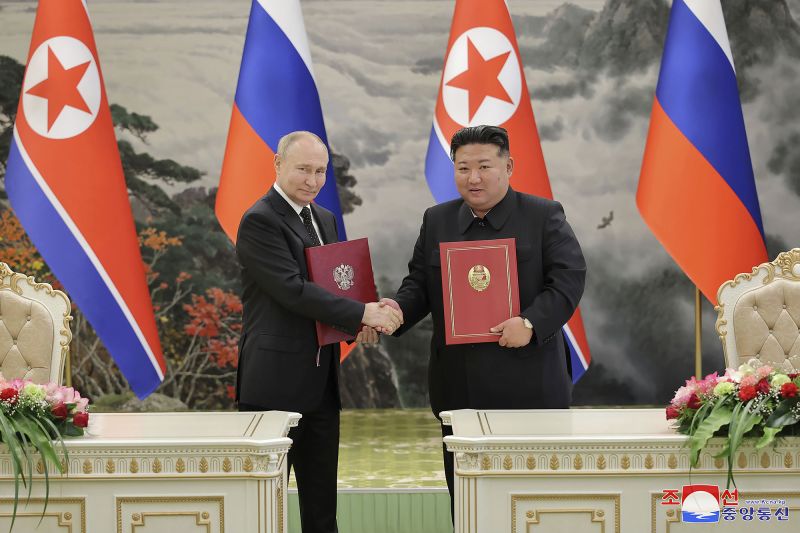
North Korean state media has reported that leader Kim Jong Un has confirmed his country's ongoing support for Russia, reflecting the close ties between the two nations amid current international crises. This announcement comes at a time when geopolitical tensions are rising, highlighting the importance of alliances among countries facing pressure from the West.
During a meeting with senior officials, Kim emphasized the significance of enhancing cooperation between North Korea and Russia, noting that this collaboration is a vital element in confronting challenges posed by Western powers. He also stated that his country will remain committed to supporting Russia in various fields, including military and economic sectors.
Details of the Event
These statements come as Russia grapples with the repercussions of Western sanctions imposed due to the conflict in Ukraine. North Korea has shown steadfast support for Moscow, having previously sent shipments of ammunition and weapons to bolster its military efforts. This move reflects Kim's desire to strengthen relations with Russia as a means to counter international pressures.
Furthermore, Kim Jong Un indicated that cooperation between the two countries should extend beyond the military domain to include other areas such as economy and energy. In this context, discussions were held regarding the potential exchange of natural resources and technology between the two nations, which could enhance each country's ability to tackle economic challenges.
Background & Context
Historically, North Korea and Russia have maintained close relations, especially during the Cold War. Following the collapse of the Soviet Union, these ties diminished for a period but have seen a resurgence in recent years, particularly with the rising tensions between Russia and the West. The alliance with Russia is considered part of Kim's strategy to bolster his country's position on the international stage.
In recent years, the relationship between North Korea and Russia has improved significantly, with Kim visiting Moscow multiple times, reflecting both sides' desire to enhance bilateral cooperation. This collaboration is part of North Korea's strategy to strengthen its position in the face of Western pressures.
Impact & Consequences
North Korea's support for Russia signals a shift in the geopolitical dynamics of the region. This alliance may bolster Russia's position against Western sanctions, potentially contributing to increased tensions in the area. Additionally, this cooperation could encourage other countries to strengthen their ties with Moscow, complicating the international landscape.
Moreover, this collaboration may enhance North Korea's military capabilities, raising concerns among neighboring countries. If these dynamics continue, we may witness a rise in military tensions in the region, necessitating international community attention.
Regional Significance
In light of these developments, the importance of monitoring international relations and their impact on the Arab region becomes evident. New alliances among major powers may affect regional stability, especially given the existing tensions in the Middle East. Furthermore, the strengthening of cooperation between North Korea and Russia may prompt some Arab nations to reassess their strategic alliances.
In conclusion, North Korea's support for Russia represents a strategic move that reflects changes in the global geopolitical landscape. It is crucial for Arab nations to follow these developments, as they may influence their interests and security in the future.