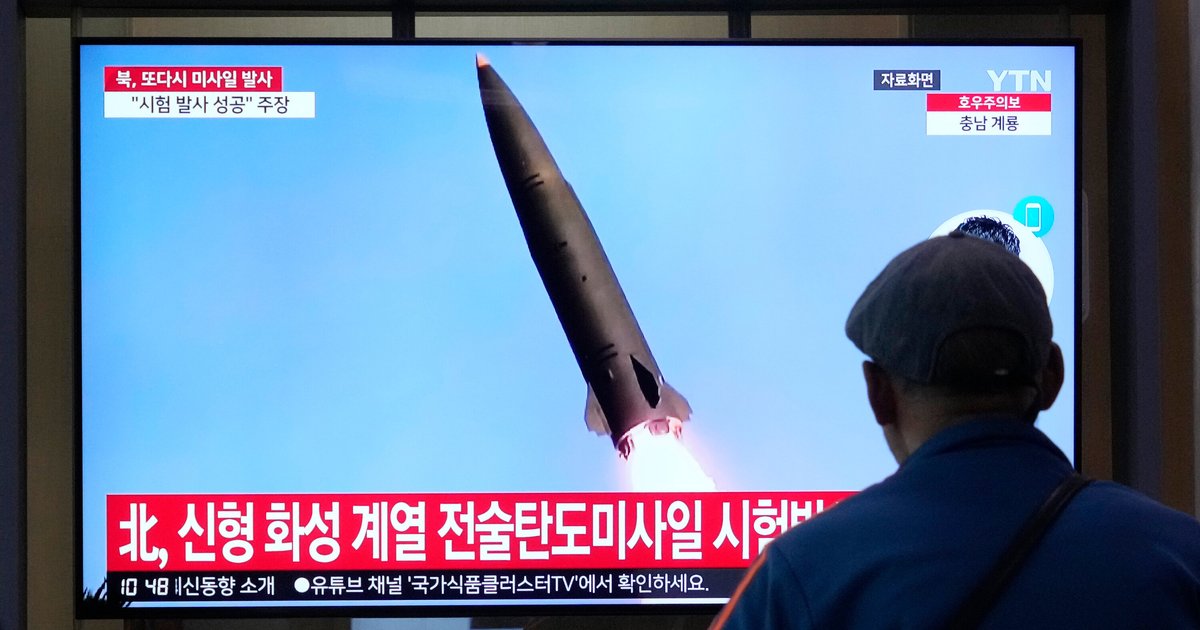
In a new escalation, North Korea conducted a series of tests on advanced missiles and military technologies within 48 hours. These tests come at a sensitive time and raise international concerns.
Reports indicate that the tests included the launch of ballistic missiles, as well as the testing of new technologies in the field of air defense. These steps come amid rising tensions on the Korean Peninsula, as Pyongyang seeks to enhance its military capabilities in response to international pressures.
Details of the Event
Over the past 48 hours, North Korea has conducted multiple tests, with short-range ballistic missile launches being detected. State media reported that these tests aim to improve the effectiveness of the country's strategic weapons.
New technologies in air defense have also been tested, reflecting North Korea's efforts to develop its defense systems against potential threats. Reports suggest that these steps are part of a long-term plan to strengthen the country's military capabilities.
Background & Context
Historically, North Korea has witnessed a series of military tests that have raised concerns in the international community. Since 2017, nuclear and missile tests have escalated, leading to strict economic sanctions imposed by the United Nations.
In recent years, North Korea attempted to improve its relations with its neighbors, but these recent tests indicate a regression of those efforts. These events reflect the ongoing tensions in relations between North Korea and the United States, as well as its regional neighbors.
Impact & Consequences
These tests raise significant concerns in the international community, as they could lead to escalating tensions in the region. Such developments may impact regional security, prompting reactions from major concerned nations, such as the United States and South Korea.
Moreover, these events could lead to a reassessment of defense strategies in neighboring countries, increasing the likelihood of a new arms race in the region. Under these circumstances, efforts for peace and stability on the Korean Peninsula may be significantly affected.
Regional Significance
Despite the geographical distance, events in North Korea could affect global stability, impacting the Arab region. Tensions in Asia may increase pressures on Arab countries in the context of international relations.
Additionally, rising military tensions in any region of the world can affect energy markets and the global economy, which in turn impacts Arab countries that rely on oil exports. Therefore, monitoring these events remains critically important for the region.
In conclusion, North Korea's military tests remain a focal point of global interest, requiring close attention from the international community. The enhancement of military capabilities amid current tensions could lead to far-reaching implications for security and stability in the region and the world.