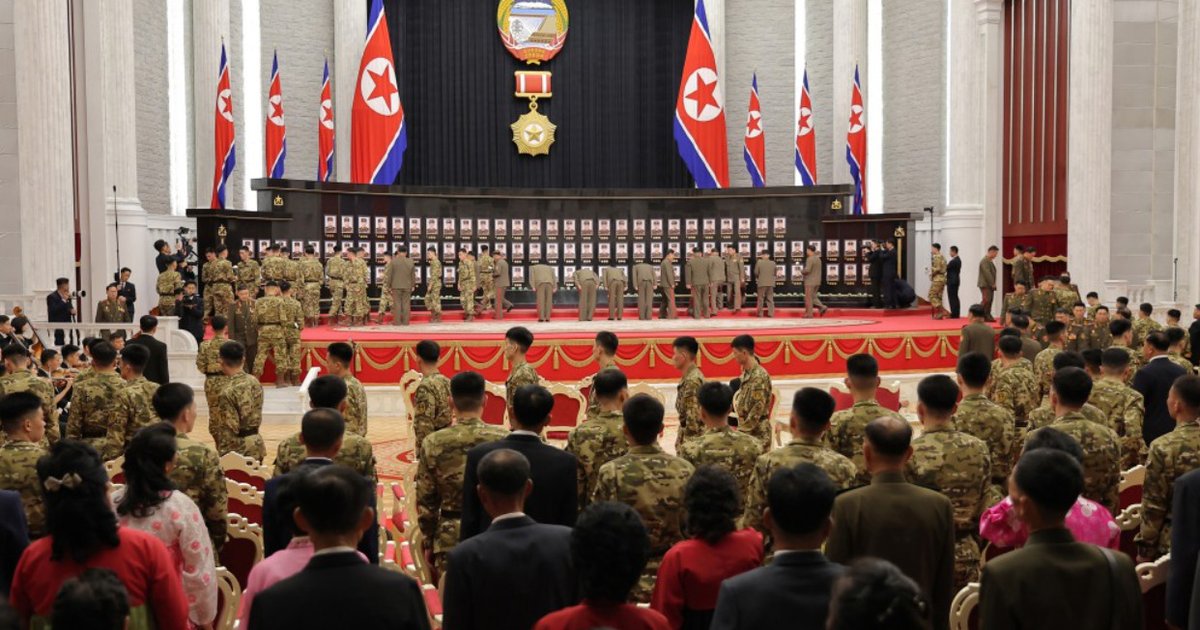
During his visit to the Fighters Museum in Kursk, Russia, North Korean leader Kim Jong Un revealed plans to bury the remains of victims in mid-April. This visit comes at a sensitive time as North Korea seeks to bolster its relations with Russia amid global geopolitical tensions.
The visit by Kim to the Fighters Museum is a symbolic step that reflects Pyongyang's appreciation for the history of World War II, as the museum is an important site for commemorating the soldiers who fought during that period. Kim emphasized the significance of this commemoration in strengthening the bonds between the Korean and Russian peoples.
Event Details
During his visit, Kim toured the museum, where he reviewed exhibits detailing the history of battles fought by Russian soldiers. He underscored the importance of preserving historical memory, noting that the burial of the victims' remains would serve as a tribute to them and their sacrifices. A formal burial ceremony is expected to be organized in mid-April, with prominent figures from both countries participating.
This visit aligns with North Korea's efforts to enhance its relations with Russia, especially in light of the sanctions imposed on both countries by the international community. Moscow has shown support for Pyongyang on various issues, reflecting an increasing alliance between the two sides.
Background & Context
The history of relations between North Korea and Russia dates back to the Cold War, during which Moscow supported Pyongyang in its conflicts with the South. As relations between North Korea and the United States have deteriorated, Russia has become a strategic partner for North Korea, bolstering its position on the international stage.
In recent years, the relationship between the two countries has seen significant development, with Kim Jong Un visiting Russia multiple times, the last being in 2019. This cooperation reflects both sides' desire to confront shared challenges, including economic sanctions and political pressures.
Impact & Consequences
Kim's visit to the Fighters Museum may have important implications at both regional and international levels. On one hand, this visit reflects the strengthening of ties between North Korea and Russia, which could lead to increased military and economic cooperation between the two countries. On the other hand, these moves may raise concerns among Western nations, which closely monitor North Korea's actions.
The burial ceremony for the victims' remains could also contribute to enhancing national spirit among the Korean people, potentially affecting the stability of the regime in Pyongyang. At the same time, this step may be perceived as a message to the United States and its allies that North Korea is not alone in facing international pressures.
Regional Significance
Although events in North Korea may seem distant from the Arab region, the strengthening of ties between Pyongyang and Moscow could impact regional balances. This cooperation may enhance Russia's position in the Middle East, which could reflect on Arab policies regarding international issues.
Furthermore, the increasing relations between non-Western countries may open new avenues for cooperation between Arab states and Russia, particularly in the fields of energy and security. Amid geopolitical changes, Arab nations may find themselves facing new options for collaboration and alliances.
In conclusion, Kim Jong Un's visit to the Fighters Museum in Kursk, Russia reflects significant developments in international relations and highlights the challenges and opportunities faced by nations amid rising global tensions.