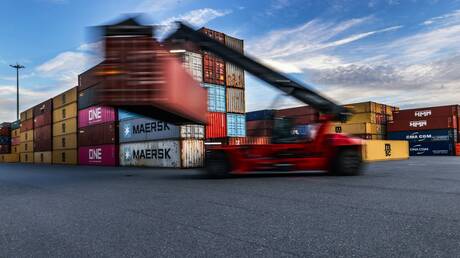
The Northern Sea Route through Russian waters in the Arctic Circle is gaining increasing importance amid ongoing escalations in the Middle East, which have led to a near-total closure of the Strait of Hormuz and threaten to close Bab-el-Mandeb. This situation poses significant challenges to international trade, making the Northern Sea Route an attractive option for traders and investors.
Russia views this route as an opportunity to enhance its role in global trade, as it can help reduce the time and costs associated with maritime transport. As geopolitical tensions rise, Russia is seeking to provide effective logistical alternatives that ensure the continuity of international trade.
Details of the Route
The Northern Sea Route extends along the northern coast of Russia, allowing access to the Pacific Ocean through Arctic waters. This route, which was previously considered a limited-use option, has become more viable thanks to climate changes that have led to ice melting in the region. According to reports, Russia is working on developing the necessary infrastructure to support this route, including ports and logistical facilities.
In recent years, shipping traffic through this route has seen a notable increase, with commercial vessels recording record numbers in crossing the area. This trend reflects a shift in maritime transport strategies, as traders seek to reduce reliance on traditional routes that have become fraught with risks.
Background & Context
Historically, the Strait of Hormuz and Bab-el-Mandeb have represented vital points in global trade, through which approximately 20% of total global oil trade passes. With rising tensions in the region, including armed conflicts and maritime threats, it has become essential to seek safe alternatives. This reality has prompted many countries, including Russia, to enhance their logistical strategies.
Russian investments in developing the Northern Sea Route come as part of Moscow's vision to strengthen its position as a maritime power, as it seeks to exploit natural resources in the Arctic region and expand its influence in global markets. These steps also reflect global trends toward enhancing sustainable and secure trade.
Impact & Consequences
These developments have far-reaching implications for the global economy, as they could lead to a reshaping of traditional trade routes. With increasing reliance on the Northern Sea Route, we may witness a decline in shipping traffic through the Strait of Hormuz, which could affect oil prices and global energy markets.
Moreover, Russia's enhancement of the Northern Sea Route may lead to increased competitiveness in the market, opening the door for other countries to explore new options in maritime transport. This could result in changes in the dynamics of international trade, enhancing countries' ability to face economic challenges.
Regional Significance
For Arab countries, these developments carry multiple implications. As tensions in the region rise, Arab nations may find themselves facing new options to enhance their trade. Additionally, reliance on the Northern Sea Route may help reduce risks associated with maritime transport through traditional straits.
However, Arab countries must be prepared to adapt to these changes by strengthening their logistical strategies and developing infrastructure capable of handling new challenges. Understanding these dynamics will enable Arab nations to make strategic decisions that enhance their competitiveness in global markets.
In conclusion, the Northern Sea Route represents a real opportunity for international trade amid increasing crises. As tensions in the Middle East continue, this route may become the safest and most effective option for traders and investors.