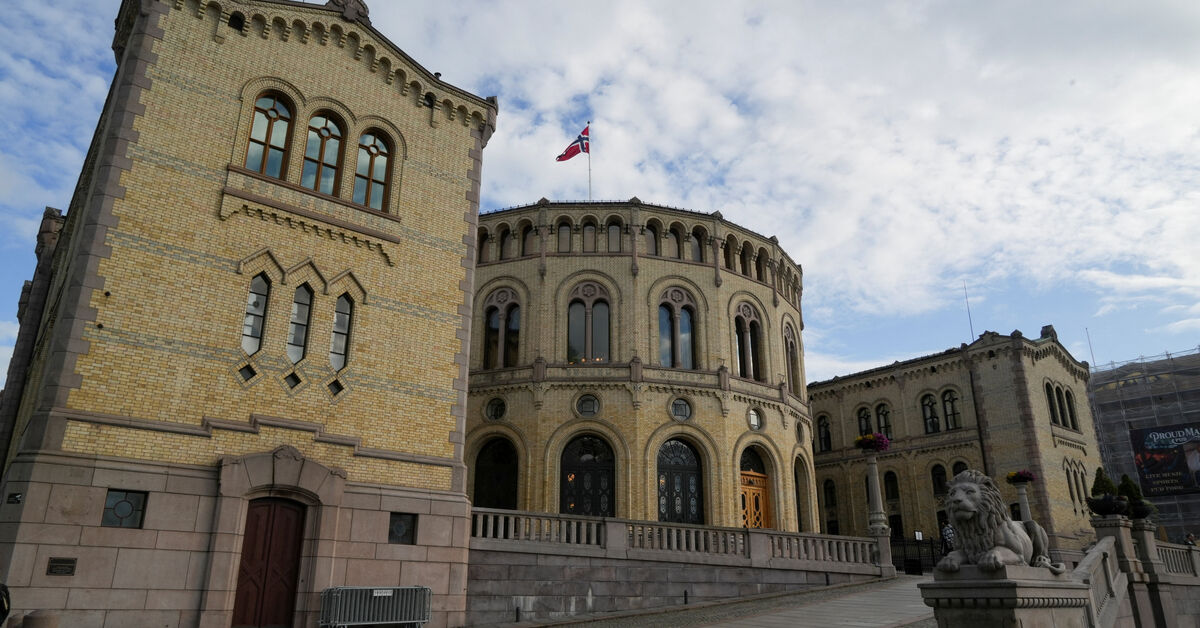
On Thursday, the Norwegian Parliament approved a bill to temporarily reduce gasoline and diesel taxes, aiming to alleviate financial burdens on citizens due to rising fuel prices caused by the war in the Middle East. This decision followed a proposal from the opposition Conservative Party, leading to a swift vote without the traditional budget preparation process.
This move comes at a time when many countries are experiencing a sharp increase in energy prices, as geopolitical crises, particularly the ongoing conflict in the Middle East, have led to a significant rise in oil prices. This increase has directly impacted fuel costs in Norway, prompting the government to take swift action to ease the pressure on households.
Details of the Legislation
The Norwegian Parliament voted on the bill following a proposal from the Conservative Party, with the voting scheduled urgently to avoid delays that could take months in traditional procedures. The aim of this decision is to reduce taxes imposed on gasoline and diesel, which will contribute to alleviating the financial burdens on citizens suffering from rising living costs.
This measure is considered temporary, as it is expected that the global and local economic situation will be assessed before any long-term decisions are made. Some observers have noted that this step may have implications for the state’s public budget, especially amid current economic challenges.
Background & Context
Historically, Norway has relied on oil revenues as a primary source of funding for its budget, but fluctuations in global oil prices significantly affect the Norwegian economy. In recent years, oil prices have experienced significant volatility due to political crises and armed conflicts, increasing pressure on governments to take swift action to address these changes.
The war in the Middle East, which has escalated recently, has had negative effects on oil prices, which in turn has impacted fuel prices in many countries, including Norway. These crises reflect how geopolitical events can influence the global economy, necessitating a rapid response from governments.
Impact & Consequences
The Norwegian government expects that reducing fuel taxes will alleviate financial pressures on households, potentially helping to boost domestic consumption. However, there are concerns that this measure may impact government revenues, which could force the government to implement austerity measures in the future.
This decision may also spark debate in political circles, as some believe that the focus should be on developing renewable energy sources instead of relying on fossil fuels. At the same time, some question the effectiveness of these measures in addressing ongoing economic challenges.
Regional Significance
The Arab region is among the most affected by fluctuations in oil prices, as many countries rely on oil revenues as a primary source of income. The rise in oil prices due to conflicts in the Middle East may impact the economies of these countries, necessitating similar measures to those taken by Norway.
Furthermore, the ongoing crises in the region may exacerbate economic conditions, requiring Arab governments to consider new strategies to address these challenges. Ultimately, Norway's experience could serve as an important lesson for Arab countries on how to handle economic crises arising from geopolitical situations.