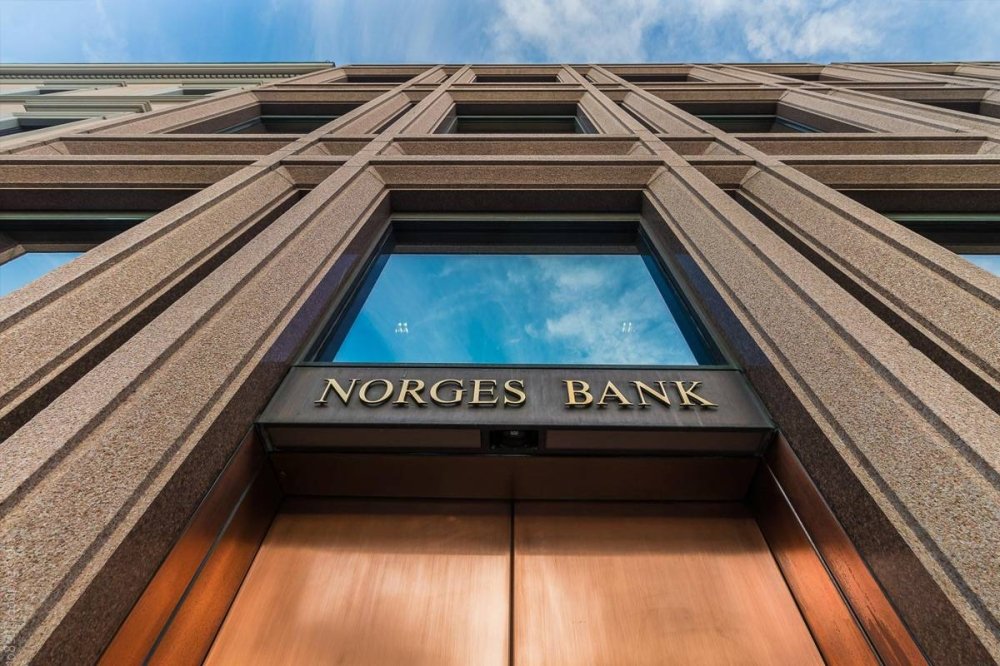
The Norwegian Central Bank has announced the possibility of increasing interest rates this year, as it discussed taking immediate action to curb inflation. However, it ultimately decided to maintain borrowing costs unchanged at 4%.
This decision comes at a time when the Norwegian economy is experiencing increasing inflationary pressures, prompting the central bank to reassess its monetary policy. Although no immediate step was taken to raise interest rates, recent statements indicate that the bank is closely monitoring the economic situation.
Details of the Meeting
During the recent meeting, the Governor of the Norwegian Central Bank indicated that inflation remains high and that there is an urgent need to consider raising interest rates as a means of controlling prices. The interest rate was kept at 4%, the level reached in previous meetings. However, the bank has not ruled out the possibility of taking additional measures in the near future.
This move is part of global efforts to combat inflation, as many central banks worldwide adopt tighter monetary policies. In this context, the Norwegian Central Bank is among those closely monitoring local and international economic developments.
Background & Context
Historically, Norway has seen significant changes in its monetary policy, especially after the global financial crisis in 2008. Since then, the central bank has taken several steps to ensure economic stability, including lowering interest rates during periods of recession. However, current challenges, including rising energy and food prices, have prompted the bank to rethink its strategies.
Norway is one of the largest oil producers in the world, making its economy sensitive to fluctuations in oil prices. In recent years, the country has experienced a notable economic recovery, but with rising inflation rates, it has become essential to take steps to ensure the sustainability of this recovery.
Impact & Consequences
An increase in interest rates could have wide-ranging effects on the Norwegian economy. On one hand, this step could help curb inflation, but it may also lead to a slowdown in economic growth. Rising borrowing costs could negatively impact investments and businesses, potentially leading to a decline in economic activity.
Moreover, any change in monetary policy in Norway could affect global financial markets. With the Norwegian economy linked to European and international markets, an increase in interest rates could lead to new capital flows or even fluctuations in exchange rates.
Regional Significance
As Arab countries monitor developments in Norway's monetary policy, there are clear connections between the Norwegian economy and global oil markets. Given that many Arab nations rely on oil revenues, any changes in oil prices resulting from monetary policies in countries like Norway could impact their economies.
Additionally, rising interest rates in developed countries could lead to increased borrowing costs for developing nations, affecting their ability to finance development projects. Therefore, monitoring these developments is crucial for Arab countries to ensure the stability of their economies.