A recent Norwegian study has revealed significant differences in how men and women interpret social signals, resulting in misunderstandings in gender relationships. This phenomenon is known as the 'friend zone', where unreciprocated romantic feelings can arise due to different interpretations of signals.
This study is particularly interesting as it sheds light on the challenges individuals face in understanding each other's intentions. For instance, men may interpret certain behaviors as friendly, while women may perceive the same behaviors as indicating romantic interest, leading to confusion and tension in relationships.
Details of the Study
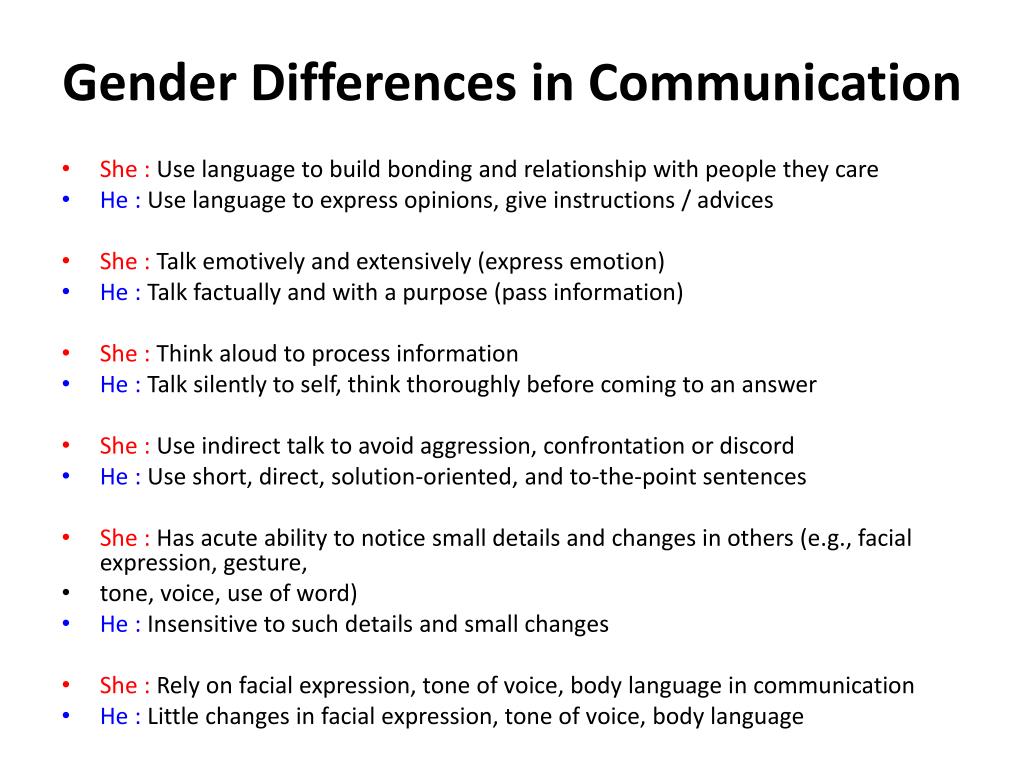
The study, conducted by Norwegian researchers, included a diverse group of participants from both genders. Their reactions to a range of social signals, such as smiles, tone of voice, and body language, were analyzed. The results showed that women are more sensitive to emotional signals, while men tend to focus on clear and direct signals.
This difference in interpretation can lead to misunderstandings, where one party may believe that the other is emotionally interested, while in reality, the other party may be treating them as just a friend. This dynamic illustrates how communication differences can impact personal relationships.
Background & Context
Historically, studies related to gender differences in communication have focused on various aspects, such as language use, emotional expression, and social interaction. This Norwegian study adds a new dimension to understanding how these differences affect romantic relationships.
Previous research has shown that women tend to use more expressive communication styles, while men prefer more direct approaches. This difference can lead to misunderstandings, especially in romantic relationships, where emotions and expectations overlap.
Impact & Consequences
The implications of this study could be far-reaching, as they may influence how relationships between genders are built. Understanding these differences can help individuals improve their communication and avoid misunderstandings. It may also impact how young people are educated about romantic relationships and communication.
Furthermore, these findings could contribute to the development of training programs aimed at enhancing mutual understanding between genders, helping to build healthier and more balanced relationships.
Regional Significance
In the Arab region, where social relationships play a crucial role in daily life, the results of this study may hold particular importance. Understanding gender communication differences could help enhance familial and social relationships, reducing misunderstandings that may arise in romantic relationships.
Moreover, fostering mutual understanding could contribute to improving relationships among individuals in society, enhancing social cohesion and reducing conflicts arising from misunderstandings.
In conclusion, understanding the differences in signal interpretation between genders is not just an academic issue, but a vital aspect of improving human relationships. This Norwegian study calls for a reevaluation of how we communicate with one another and highlights the importance of being aware of these differences in our daily lives.