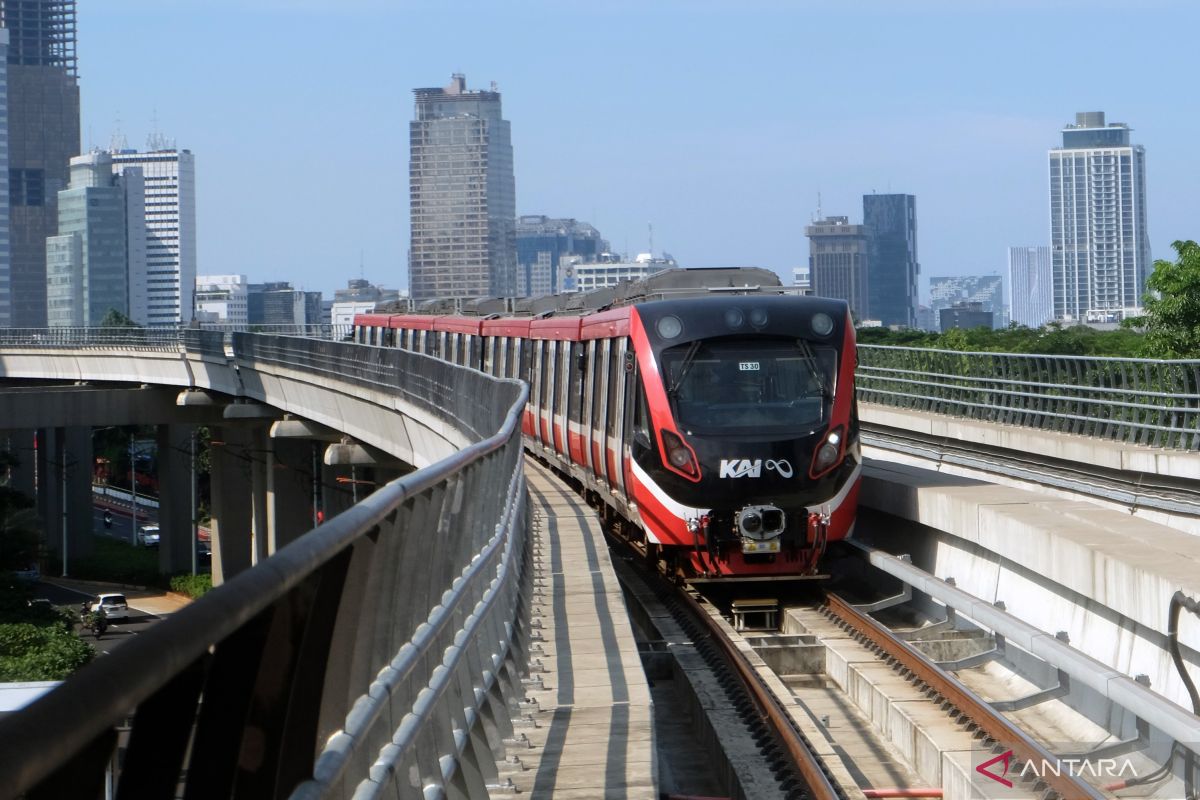
PT Kereta Api Indonesia (Persero) reported that the number of users of the Jabodebek light rail system reached 7,754,946 during the first quarter of 2026, representing a significant increase of 22% compared to the same period last year, when the number was 6,351,283. These figures indicate a positive shift in mobility patterns among urban residents.
In a statement, the Public Relations Manager of the LRT Jabodebek system, Radithia Mardika, confirmed that this increase reflects a growing reliance on integrated and efficient public transportation. He noted that LRT Jabodebek has become a preferred option for users due to its punctuality, connections to business centers, and effectiveness in avoiding congestion.
User Statistics and Trends
According to reports, the average number of users during weekdays was 113,898 daily users, an increase of 27% compared to the previous year. On weekends, the number of users reached 42,829 daily, reflecting a 19% increase. These numbers highlight the growing interest in public transportation.
During the first quarter of 2026, there were 2,714,594 users in January, 2,530,000 in February, and 2,510,352 in March. The data showed that five stations were the most utilized: Dukuh Atas, Hargomukti, Pancoran, Kunigan, and Sekoko.
Background & Context
The Jabodebek LRT network was established as part of the Indonesian government's efforts to improve the public transportation system in the capital, Jakarta, and its suburbs. This network represents a significant step towards achieving sustainable development goals by enhancing public transport and reducing reliance on private cars.
Historically, Jakarta has suffered from traffic congestion, making the need for public transportation more urgent. The LRT Jabodebek is part of a larger plan to develop transportation infrastructure in the city, contributing to improving the quality of life for its residents.
Impact & Consequences
The increase in the number of LRT Jabodebek users is an indicator of the success of government policies in promoting public transportation. This shift can lead to reduced traffic congestion and improved air quality in the city.
Moreover, the growing reliance on public transportation may contribute to boosting the local economy by increasing commercial activity in areas surrounding LRT stations. Enhancing public transport reflects the government's commitment to providing effective and sustainable transportation services.
Regional Significance
The LRT Jabodebek experience serves as a model for Arab countries facing similar transportation challenges. Arab nations can benefit from this experience in developing their public transportation systems, which can enhance urban mobility and reduce congestion.
In light of the global trend towards sustainability, these systems may be an effective means of addressing the environmental and traffic challenges faced by many Arab cities.