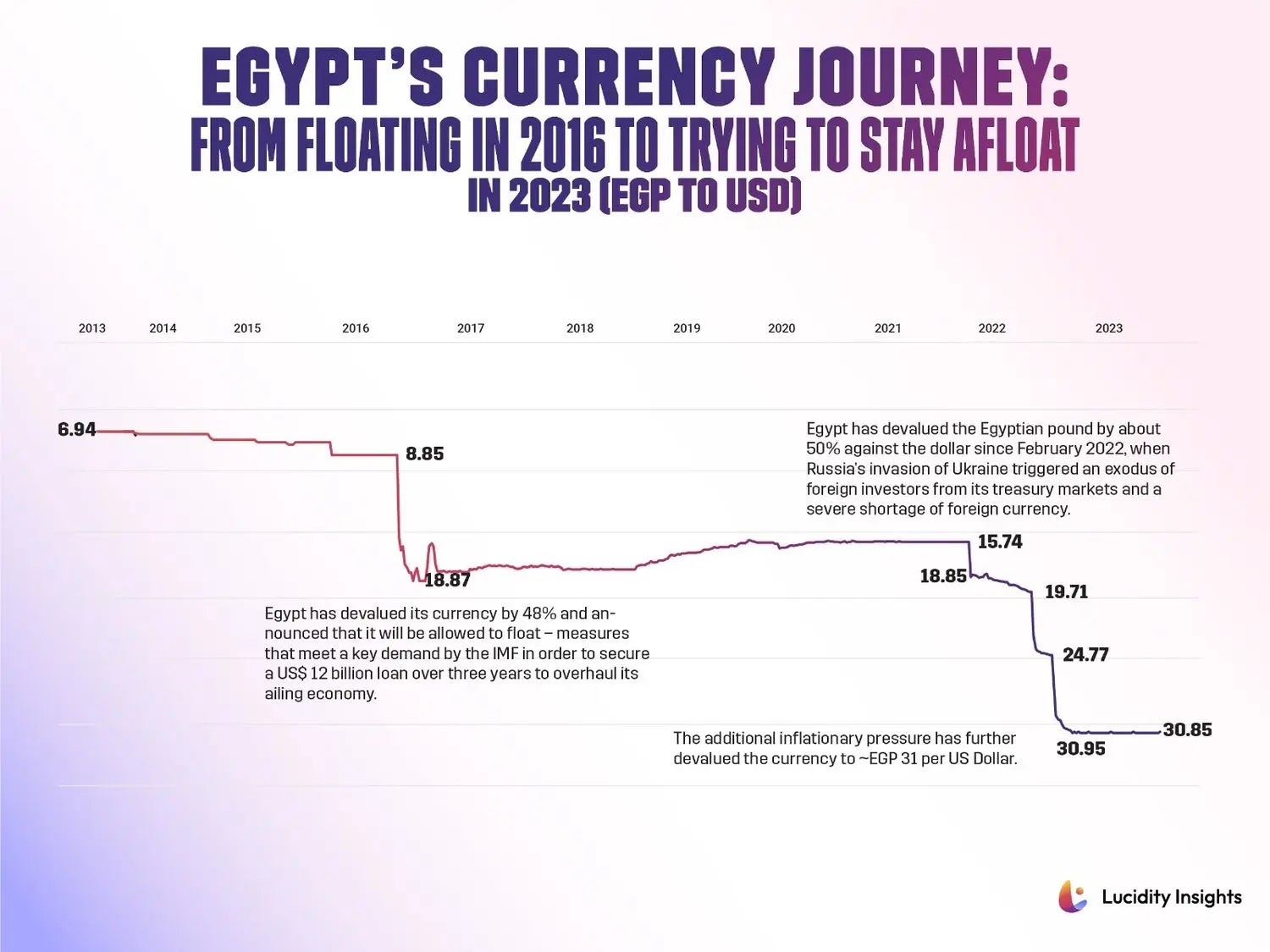
On Monday, May 4, 2026, the price of the US dollar and foreign currencies saw a significant rise at the National Bank, with the US dollar reaching approximately 30.50 EGP, reflecting substantial changes in the financial market.
This increase comes at a sensitive time for the Egyptian economy, as the Central Bank seeks to stabilize the exchange rate amid global market fluctuations. It has been noted that other currencies such as the euro and the British pound have also increased in value against the Egyptian pound.
Details of the Event
According to reports, the price of the dollar rose by 0.25 EGP compared to previous days, indicating a growing demand for the US currency. Other currencies such as the Kuwaiti dinar and Saudi riyal also experienced similar increases, with the Kuwaiti dinar priced at around 100.50 EGP and the Saudi riyal at 8.10 EGP.
This rise in currency prices may be attributed to several factors, including increased demand for the dollar in the local market, in addition to global economic tensions affecting exchange rates.
Background & Context
Historically, Egypt has experienced fluctuations in exchange rates due to various economic and political factors. Since the liberalization of the exchange rate in 2016, the country has faced significant challenges in achieving stability for its local currency. These challenges include inflation and rising prices of essential goods, which impact citizens' purchasing power.
In recent years, the Central Bank of Egypt has taken multiple steps to regulate the market, including raising interest rates in an attempt to curb inflation. However, the current increase in the dollar's price suggests that these efforts may face difficulties in achieving the desired outcomes.
Impact & Consequences
The rise in the dollar's price has direct implications for the Egyptian economy, leading to increased import costs, which negatively affects the prices of goods and services. This situation may exacerbate the inflation crisis that the country has been experiencing for some time.
Moreover, the increase in the dollar's price can impact foreign investments, as investors may hesitate to enter the Egyptian market amid currency instability. Local companies that rely on imported raw materials will also face additional challenges in production costs.
Regional Significance
The rise in the dollar's price in Egypt is indicative of the economic challenges facing many Arab countries. With increasing reliance on the dollar in international trade, any increase in its value directly affects the economies of countries struggling with weak local currencies.
This situation may lead to worsening economic crises in some countries, necessitating urgent measures from governments to address these challenges. At the same time, the rise of the dollar may contribute to an increase in remittances from expatriates, which could have a positive impact on some local economies.
In conclusion, the prices of the dollar and other currencies remain under observation, as experts expect fluctuations to continue in the near future, requiring the government and the Central Bank to take effective steps to ensure market stability.