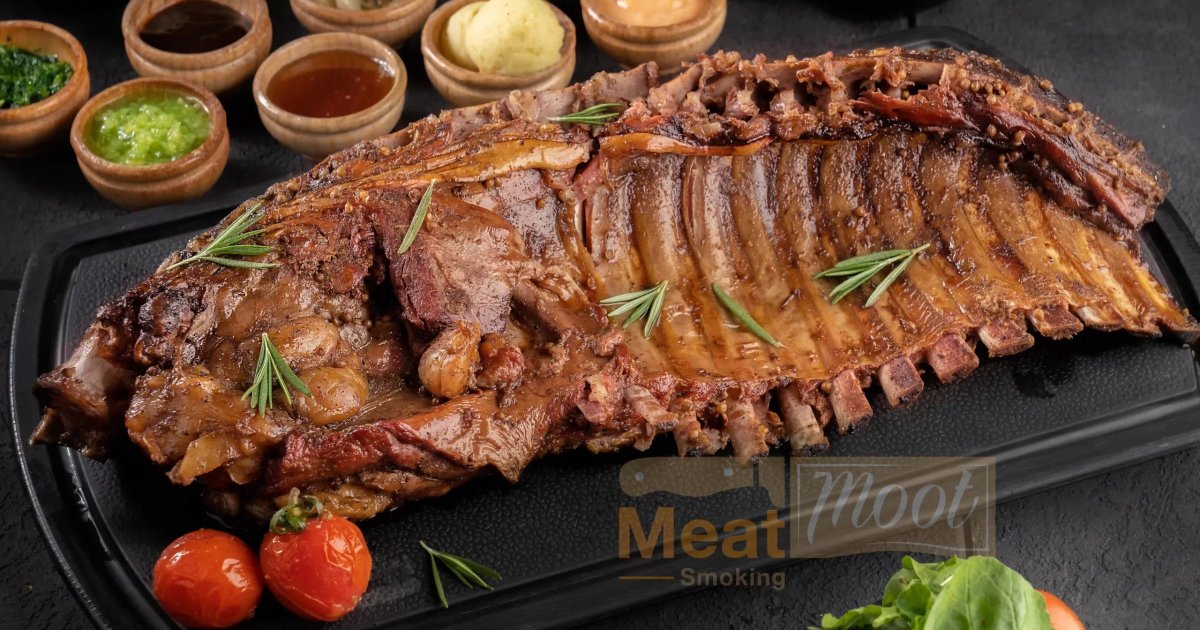
On Sunday, March 29, 2026, veal and beef prices in Matrouh Governorate saw a significant increase, raising concerns among local consumers. Reports indicate that prices have risen by up to 15% compared to last week, reflecting the ongoing pressures on the meat market in Egypt.
In terms of specifics, the price of veal reached approximately 250 Egyptian pounds, while the price of beef was recorded at around 220 Egyptian pounds. This increase comes at a time when citizens are already struggling with rising living costs, adding to the financial burdens on families.
Details of the Price Increase
Meat is a staple food in the Egyptian diet and plays a significant role in celebrations and social occasions. With rising prices, many citizens are finding it difficult to purchase meat, which may affect their dietary habits. Some traders have pointed out that the price increase is due to rising production and transportation costs, in addition to the growing demand in the market.
This price hike comes at a sensitive time, as the Egyptian economy faces multiple challenges, including inflation and rising prices of essential goods. Many citizens have expressed their dissatisfaction with this increase, calling on the government to intervene to protect consumers and ensure price stability.
Background & Context
Historically, meat prices in Egypt have experienced significant fluctuations due to various factors, including agricultural policies and climate changes. In recent years, there have been government efforts to improve local meat production, but these efforts have not been sufficient to meet the growing demand.
The impact of global economic crises, such as rising energy and raw material prices, has also contributed to increased production costs. In this context, the Egyptian government must take effective steps to ensure price stability and meet the needs of its citizens.
Impact & Consequences
The increase in meat prices can have negative consequences for public health, as many families may be forced to reduce their meat consumption, affecting their nutritional balance. Additionally, rising prices may lead to an increase in poverty rates, as many citizens are facing increasing financial pressures.
Furthermore, this increase may affect the meat market as a whole, as some traders may reduce supply in an attempt to maintain profit margins. This could lead to a shortage of supply and further price increases.
Regional Significance
Egypt is one of the largest meat markets in the Arab region, and any changes in prices affect neighboring countries. An increase in prices in Egypt may lead to increased demand for imported meat from other countries, which could also impact prices in those countries.
Moreover, the economic situation in Egypt can have implications for social stability in the region, as rising prices can lead to protests or social tensions, as seen in the past during times of economic crises.
In conclusion, the situation in the meat market in Egypt remains under observation, as the government must take urgent steps to ensure price stability and meet the needs of citizens. The government's response to these challenges will be crucial in determining the future of the meat market in the country.