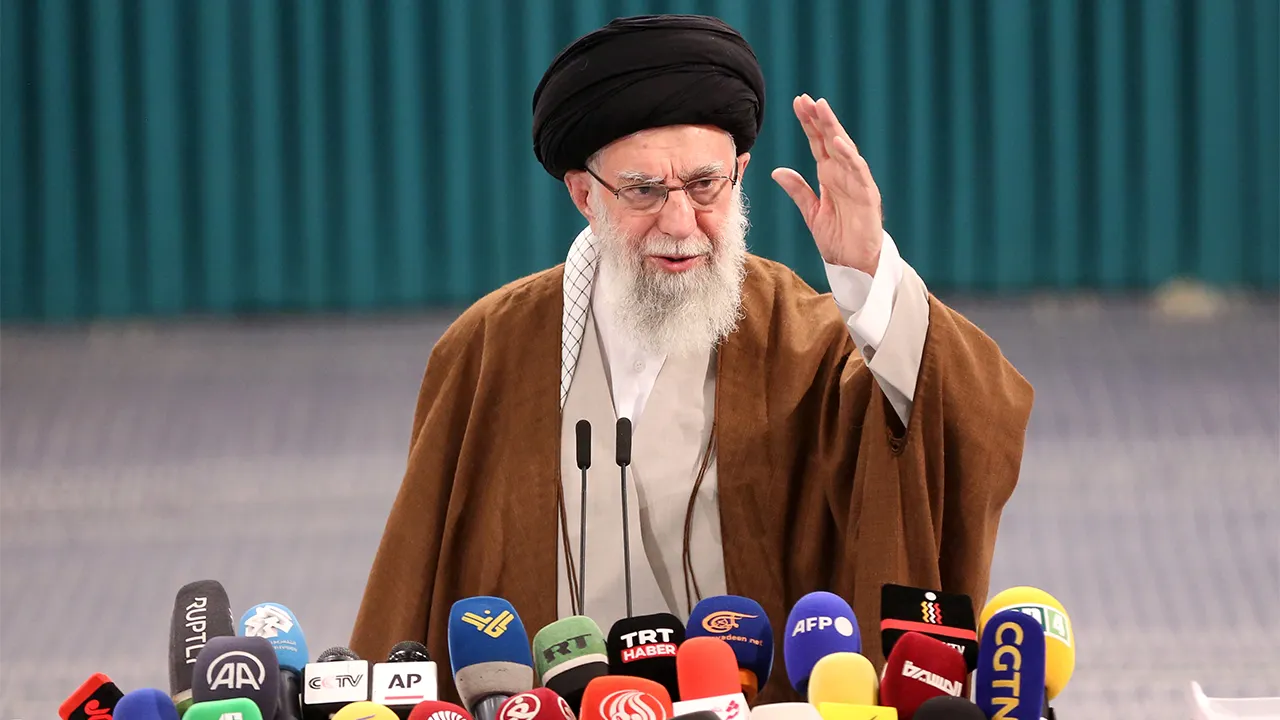
The nuclear knowledge crisis is evident in the US-Iran conflict, where the pursuit of nuclear capabilities poses an existential threat to some nations while others are allowed to retain them. This contradiction raises profound questions about fairness in the international system.
In 1972, following Pakistan's defeat in its war with India, Prime Minister Zulfikar Ali Bhutto declared his country's intention to develop a nuclear program, stating: "We will eat grass, we will eat leaves, we will starve, but we will make the bomb. We have no other choice." This statement reflects the determination to achieve nuclear power in the face of challenges.
Details of the Event
More than 50 years later, US officials continue to emphasize the need to eliminate Iran's nuclear program. US Secretary of Defense Pete Hegseth described Iran as a "mad Islamic regime," stressing that the world cannot allow it to possess nuclear weapons. This statement reflects an Orientalist perspective that distinguishes between "rational" and "irrational" states in the context of nuclear armament.
Conversely, the monopoly of nuclear knowledge by major powers, such as the United States and Israel, is part of the existing international system based on hegemony. The Nuclear Non-Proliferation Treaty divides the world into "legitimate" nuclear states and others prohibited from possessing nuclear weapons, reflecting a historical power balance that favors major countries.
Background & Context
The Nuclear Non-Proliferation Treaty was established in 1968, but it was not merely a legal framework; it was founded to solidify the balance of power as it existed at that historical moment. The five "legitimate" nuclear states are the same ones that emerged victorious in World War II, while developing countries are excluded from their right to nuclear knowledge.
This international system reflects a "nuclear apartheid," where some nations are granted different rights based on their colonial history. Thus, countries in the Global South are deprived of their right to nuclear knowledge, leading to the emergence of clandestine networks like the Abdul Qadeer Khan network, which contributed to the transfer of nuclear knowledge to other countries.
Impact & Consequences
The implications of this monopoly extend beyond the Iranian-American conflict, affecting regional and international security. While Iran is perceived as a threat to the existence of the international system, Israel is seen as a nuclear power that is not subject to any oversight, creating a strategic imbalance in the region.
This situation reflects how the international system not only prevents Global South countries from utilizing nuclear energy but also from understanding it. This renders nuclear knowledge forbidden for these nations, exacerbating security crises in the region.
Regional Significance
Arab countries face significant challenges due to this knowledge monopoly. While Israel is allowed to maintain a nuclear arsenal, Arab nations are prohibited from developing their own nuclear programs. This situation creates a sense of insecurity and impacts security policies in the region.
The American war on Iran is not merely a struggle over nuclear knowledge; it is a battle for control and influence in the region. The United States seeks to change the regime in Tehran and ensure it does not possess nuclear knowledge, raising questions about fairness in the international system.