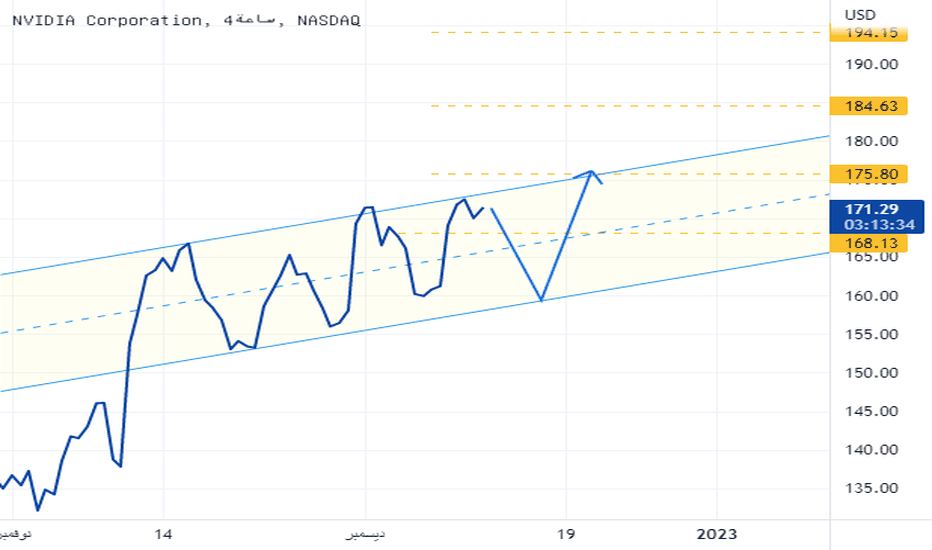
Nvidia, a leader in the semiconductor industry, is currently experiencing a significant decline in its stock prices, reaching the lowest levels seen in two years. This downturn occurs at a time when the semiconductor industry is witnessing a notable recovery, raising questions about Nvidia's performance in the market.
Market indicators suggest that this drop in Nvidia's stock value signifies the challenges the company is facing, particularly due to intense competition from other firms in the sector. This situation illustrates how Nvidia, once considered a technology leader, may find itself in a difficult position.
Details of the Event
Reports indicate that Nvidia's shares are trading significantly lower than the average stock prices in the semiconductor industry. This decline can be attributed to several factors, including heightened competition from companies like Intel and AMD, which are striving to expand their market share. Additionally, changes in demand for technological products have also impacted Nvidia's performance.
Furthermore, global trends towards artificial intelligence and cloud computing have bolstered the positions of other companies, making it challenging for Nvidia to maintain its leading status. This stock decline demonstrates how rapidly the market can change, necessitating that companies adapt to evolving conditions.
Background & Context
Nvidia was founded in 1993 and has since become one of the leading companies in the semiconductor field, particularly in the manufacturing of graphics processing units (GPUs). Over the years, Nvidia has achieved significant successes, especially with the rising demand for video games and advanced technological applications. However, recent market changes and increasing competition have affected its performance.
In recent years, the semiconductor industry has experienced a substantial recovery, with a notable increase in demand for technological products. Nevertheless, Nvidia has not been able to fully capitalize on this recovery, leading to a decline in its stock compared to its competitors. This downturn serves as a warning for the company to reassess its strategies to meet future challenges.
Impact & Consequences
The decline in Nvidia's stock is indicative of the challenges that major companies may face amid increasing competition. This downturn could have negative repercussions on the company's investments and its ability to attract new investors. Moreover, this situation may affect Nvidia's reputation in the market, making it difficult for the company to regain its previous standing.
Additionally, this decline may encourage competing companies to strengthen their strategies and increase investments in research and development, potentially leading to further innovation in the semiconductor industry. This scenario illustrates how the market demands that companies adapt to rapid changes in demand and technology.
Regional Significance
The technology industry is a vital sector in the Arab region, with many countries striving to enhance their technological capabilities. The decline in Nvidia's stock may impact investments in this sector, as investors may hesitate to inject funds into companies facing challenges. However, this situation also presents an opportunity for local companies to strengthen their capabilities and offer innovative solutions that meet market needs.
In conclusion, Nvidia's stock decline highlights how swiftly the market can change, necessitating that companies adapt and respond to new challenges. Fostering innovation and investing in research and development will be crucial factors for companies' success in the future.