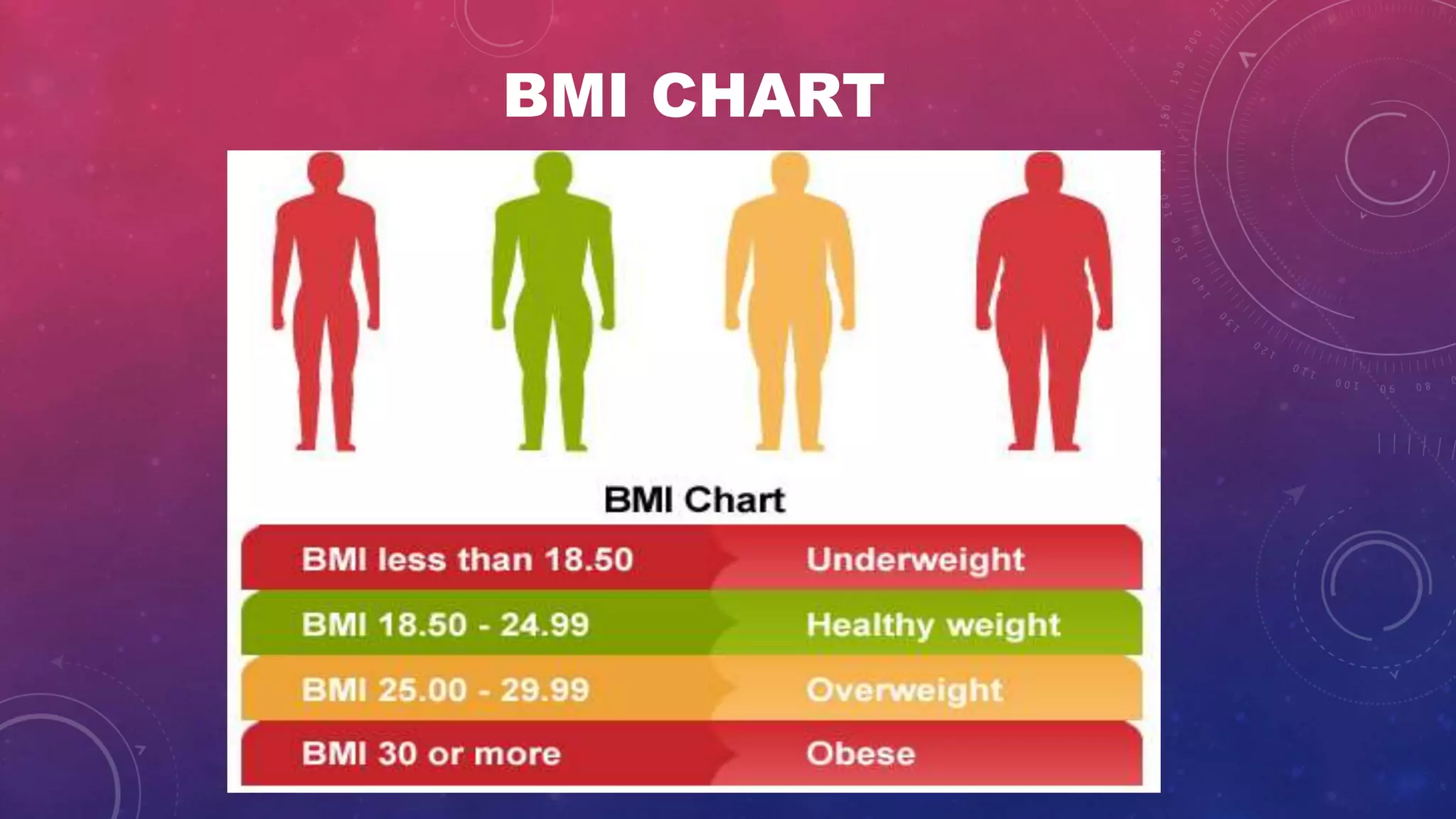
Recent statistics indicate that the obesity prevalence rate among Saudi residents aged over 15 years has reached 23.1%. This figure highlights increasing health challenges facing the Saudi community, as obesity is one of the most significant health issues affecting quality of life.
Obesity is considered a chronic disease linked to numerous health risks, such as heart disease, diabetes, and hypertension. With this rising rate, there is an urgent need to implement effective strategies to combat this phenomenon.
Details of the Event
This statistic comes at a time when the Kingdom is witnessing increased efforts to tackle obesity, with the Ministry of Health launching several awareness and preventive programs. Among these programs, awareness campaigns have been organized to promote a healthy lifestyle, including proper nutrition and exercise.
Additionally, there has been a focus on the importance of early screening and regular health assessments, as early detection of obesity is a crucial step in mitigating its complications. The government is working to provide necessary support for individuals suffering from obesity by offering medical consultations and psychological support.
Background & Context
Historically, Saudi Arabia has undergone significant lifestyle changes, transitioning from a traditional lifestyle reliant on physical activity to a more sedentary lifestyle with reduced movement. This shift, along with dietary factors, has contributed to rising obesity rates.
Obesity is a global issue, but it takes on specific dimensions in Arab countries, where studies indicate that Gulf countries, including Saudi Arabia, record the highest obesity rates in the region. This situation requires a comprehensive response from all sectors, including education, health, and nutrition.
Impact & Consequences
Obesity directly affects public health, increasing the burden on the healthcare system. It also has economic implications, contributing to rising healthcare costs and reducing productivity. Therefore, addressing this issue is not just an individual responsibility but a collective one that requires concerted efforts.
It is essential to incorporate awareness and education programs into school curricula to enhance health awareness among youth and adolescents. Education is fundamental in building a healthy community and should be part of the national strategy to combat obesity.
Regional Significance
Obesity is one of the health issues affecting many Arab countries, with most experiencing a noticeable rise in obesity rates. This necessitates regional coordination to address this phenomenon through the exchange of experiences and best practices.
Successful experiences in the Kingdom can serve as a model for other Arab countries, where similar strategies can be adopted to tackle the obesity problem. Cooperation among Arab nations in this field can contribute to improving public health and enhancing health awareness.
In conclusion, there is an urgent need for effective actions to address the obesity problem in the Kingdom, as combating this phenomenon requires integrated efforts from all segments of society, including individuals, families, schools, and government entities.