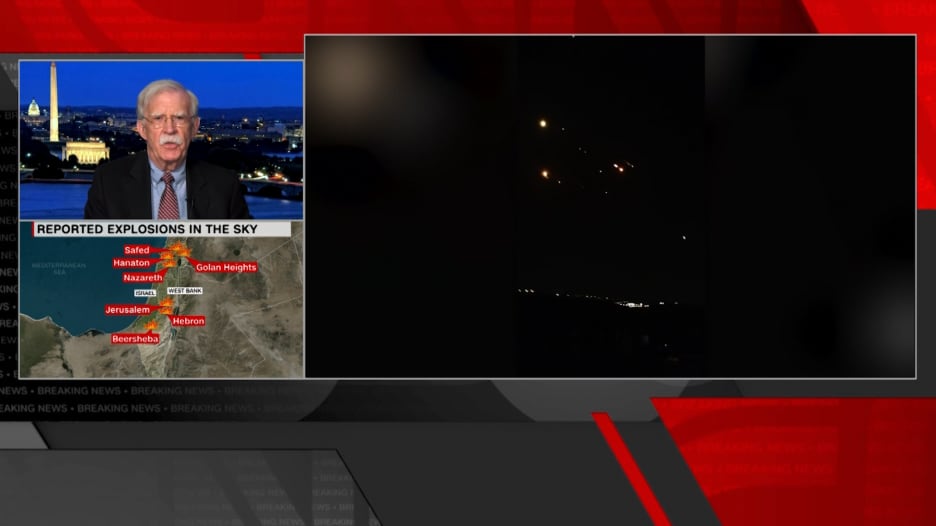
The Organization for Economic Cooperation and Development (OECD) reported on Thursday that the ongoing war in Iran represents a major challenge to the global economy. The organization noted that the military conflict in the region could hinder economic growth in many countries, raising concerns among economists and policymakers.
This war, which began earlier this year, is one of the most complex conflicts in the region, involving the interests of several nations and affecting the stability of global markets. The OECD confirmed that these conditions could exacerbate the economic crises faced by some countries, especially those reliant on energy imports.
Event Details
There are increasing fears that the war in Iran could lead to rising oil and gas prices, which may impact production and transportation costs worldwide. Reports indicate that some countries are already facing economic challenges due to this price increase, threatening their financial stability.
The OECD also pointed out that developing countries will be the most affected by these conditions, as they may struggle to meet their basic needs due to rising costs of goods and services. These circumstances are expected to lead to increased inflation rates in many countries, negatively affecting living standards.
Background & Context
Historically, the region has witnessed numerous conflicts that have impacted the global economy, but the war in Iran comes at a sensitive time when many countries are still grappling with the repercussions of the COVID-19 pandemic. This has exacerbated economic crises, making the current situation even more complex.
It is worth noting that Iran is one of the largest oil producers in the world; therefore, any disruption in its oil production or exports can significantly affect global markets. Oil prices have seen notable increases since the conflict began, raising concerns about global economic stability.
Impact & Consequences
The OECD anticipates that the war in Iran will slow global economic growth, as many sectors, including industry and services, may be affected. Foreign direct investment in the region is likely to decline, potentially leading to reduced job opportunities and increased unemployment rates.
Countries that rely on tourism may face additional challenges, as tourists may avoid visiting areas impacted by the conflict. This could negatively affect local economies and increase pressure on governments to provide financial support.
Regional Significance
The Arab countries neighboring Iran are among those most affected by the economic repercussions of the war. Rising oil prices may increase financial burdens on governments, potentially impacting social and economic development programs.
Additionally, the tense security situation may lead to increased displacement and migration, putting additional pressure on host countries. Under these circumstances, Arab governments must take urgent measures to mitigate the conflict's effects on their citizens.
In conclusion, the war in Iran poses a significant challenge to the global economy, with growing concerns about its negative impacts on economic growth. It is essential for countries to cooperate in addressing these challenges to ensure market stability and achieve sustainable development.