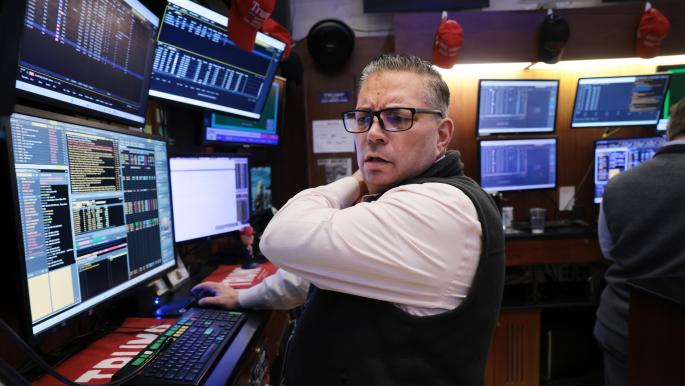
Financial markets experienced a notable decline in oil and dollar prices today, following reports indicating the possibility of a ceasefire between the United States and Iran. These developments have directly impacted the markets, with oil prices dropping significantly while the dollar weakened against other major currencies.
At the same time, gold managed to maintain its stability, reflecting its resilience amid fluctuating economic conditions. Despite increasing concerns over geopolitical tensions, investors still view gold as a safe haven.
Details of the Event
These developments come at a sensitive time, as tensions between the United States and Iran have escalated in recent months, affecting global energy markets. Reports discussing the potential for a ceasefire between the two parties have contributed to easing pressure on oil prices, which have experienced significant volatility recently.
The decline in oil prices followed a period of substantial increases due to fears of supply shortages. However, positive news regarding the ceasefire could bolster market stability, allowing investors an opportunity to reassess their investments.
Background & Context
Historically, relations between the United States and Iran have been tense, marked by numerous crises that have impacted global oil prices. In recent years, the United States has imposed strict economic sanctions on Iran, leading to a reduction in its oil exports.
Iran is considered one of the largest oil producers in the world, and any changes in its policies or relations with the United States could significantly affect global oil markets. Therefore, any reports concerning a ceasefire or easing of tensions are of great importance to investors.
Impact & Consequences
The decline in oil and dollar prices could have widespread effects on the global economy, as many countries rely on stable oil prices to achieve economic growth. Additionally, a weaker dollar may impact global trade, potentially leading to changes in monetary policies of major countries.
Consumers may benefit from lower oil prices, which could lead to reduced transportation and energy costs. However, investors should exercise caution, as markets remain unstable and could be affected by any new developments in international relations.
Regional Significance
Arab oil-producing countries are among the most affected by fluctuations in oil prices. A decline in prices may impact the budgets of these countries, potentially leading to reduced public spending and delays in developmental projects.
Conversely, stability in oil prices could enhance economic growth in some Arab countries, providing them with opportunities to invest in new projects and improve infrastructure. Thus, monitoring developments in U.S.-Iran relations will be essential to understanding their impact on the region.
In conclusion, financial markets remain under the influence of geopolitical tensions, and investors must closely follow the news. Changes in oil and dollar prices could significantly affect the global economy, necessitating a swift response from policymakers.