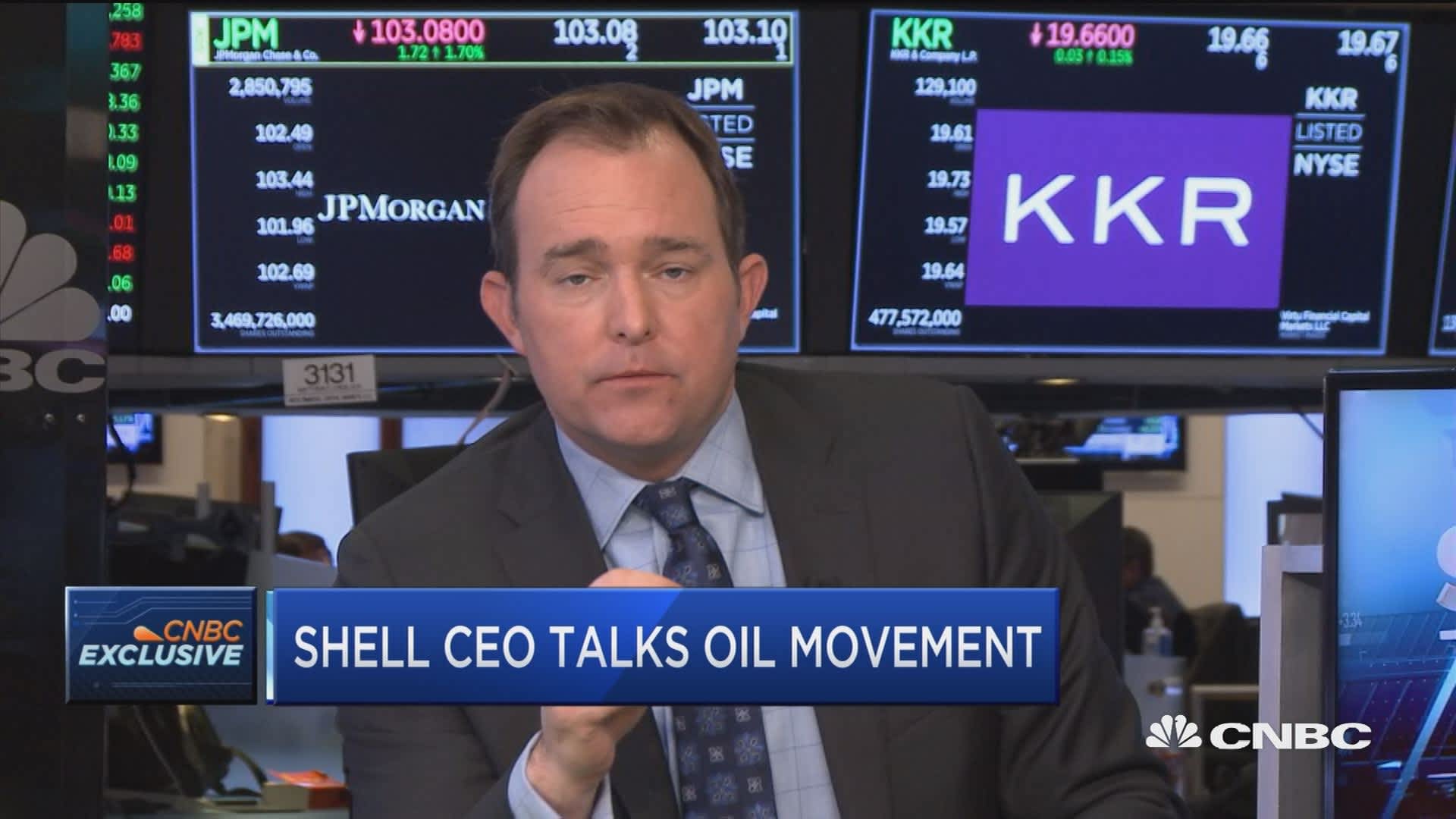
Shell's CEO, Wael Sawan, has revealed that shortages in oil and gas supplies may continue into next year, raising significant concerns in global markets. He noted that this shortage comes at a time when global energy demand is experiencing a noticeable increase, putting additional pressure on prices.
These statements come amid ongoing geopolitical tensions in major oil-producing regions, along with challenges related to climate change and the transition to renewable energy sources. These factors have led to significant volatility in energy markets, impacting price stability.
Details of the Situation
Sawan clarified that Shell is working to increase its oil and gas production, but current challenges make it difficult to meet the rising demand. He emphasized that the company is investing in new projects to enhance its production capacity, but these projects require time to show results.
He also pointed out the urgent need for cooperation between producing and consuming countries to ensure market stability. Sawan affirmed that Shell is committed to investing in clean energy, but this transition requires careful planning and time.
Background & Context
Oil and gas markets have experienced sharp fluctuations in recent years due to several factors, including geopolitical crises such as the conflict in Ukraine and economic pressures resulting from the COVID-19 pandemic. These factors have led to supply shortages, significantly affecting prices.
Historically, oil prices have been heavily influenced by political and economic events, experiencing periods of sharp rises and falls. As reliance on renewable energy increases, the question remains on how to manage this transition effectively without impacting market stability.
Impact & Consequences
Supply shortages could lead to rising energy prices, affecting the global economy and increasing living costs. This situation may negatively impact countries that heavily rely on energy imports, exacerbating economic and social pressures.
Furthermore, continued supply shortages may drive countries to seek alternative energy sources, potentially accelerating the transition to renewables. However, this transition requires significant investments and strategic planning to ensure that new crises do not arise in the future.
Regional Significance
Arab countries are among the largest oil producers in the world, and any supply shortages could significantly impact their economies. Some countries may benefit from rising prices, while others may face economic challenges due to increased energy costs.
Moreover, geopolitical tensions in the region could affect market stability, necessitating Arab nations to enhance cooperation among themselves to ensure price and supply stability.
In conclusion, the future of oil and gas markets remains uncertain and requires close monitoring by all stakeholders. Current challenges demand a swift and effective response to ensure market stability and achieve sustainable development.