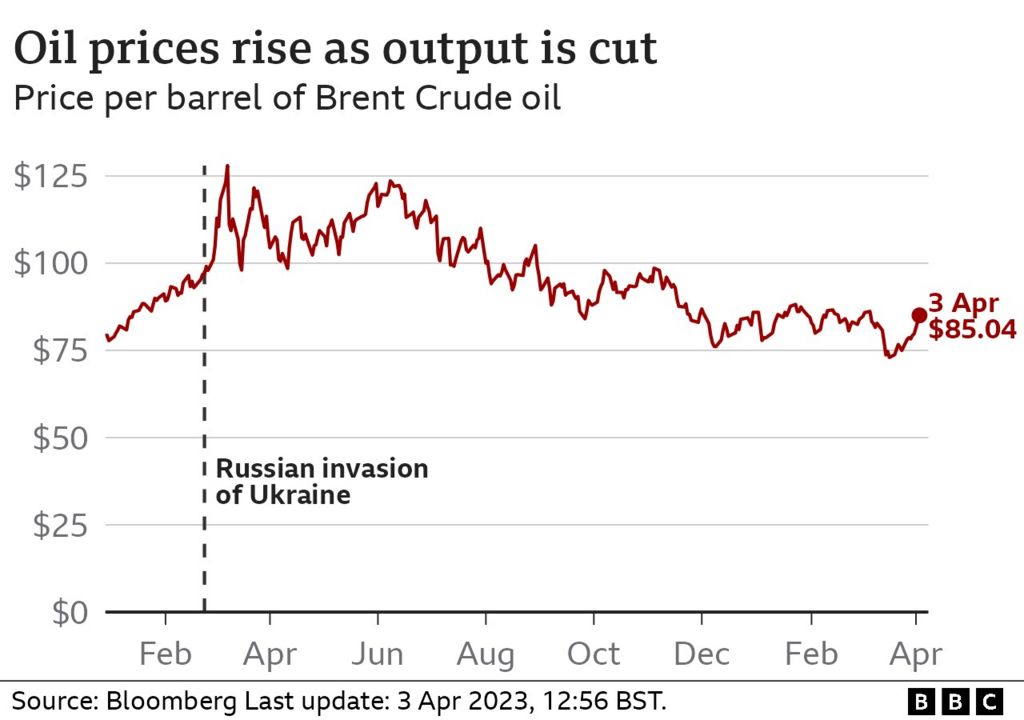
Brent crude prices have reached record highs in March, significantly increasing due to escalating tensions between the United States and Iran. This surge in oil prices follows a series of events that have affected global markets, including strikes at aluminum plants in the Gulf.
Under these circumstances, Wall Street is experiencing a sense of anticipation and concern, as many hedge funds have begun to scale back their investments. At the same time, Sysco announced a massive $29 billion deal to acquire Jetro, reflecting notable activity in the business sector despite economic pressures.
Details of the Event
The oil markets have witnessed unprecedented price increases, with Brent crude recording record monthly gains. This rise comes at a sensitive time, as tensions between the United States and Iran have intensified, leading to heightened concerns about the stability of oil supplies in the region. Additionally, strikes at aluminum plants in Gulf countries have driven up metal prices, reflecting the impact of geopolitical tensions on global markets.
On Wall Street, hedge funds have retreated from some of their investments, indicating a climate of anxiety regarding rising geopolitical risks. Furthermore, the massive deal struck by Sysco reflects market activity despite economic pressures, suggesting that some companies are still seeking growth opportunities.
Background & Context
Historically, relations between the United States and Iran have been tense, marked by periods of military and economic escalation. These tensions often influence global oil markets, as Iran is considered one of the largest oil producers in the region. In recent years, we have seen an escalation in tensions due to economic sanctions imposed by the United States on Iran, affecting oil supplies and prices.
The Arabian Gulf region is a vital center for oil production, and any escalation in tensions could lead to significant impacts on global oil prices. Additionally, strikes at aluminum plants indicate the influence of these tensions on other industries, complicating the economic landscape.
Impact & Consequences
The escalation of tensions between the United States and Iran may lead to an increase in oil prices, impacting the global economy. Rising oil prices can lead to higher transportation and production costs, affecting prices in local markets. The retreat of hedge funds from their investments may also indicate a state of uncertainty in the markets, potentially leading to greater price volatility.
On the other hand, the deal struck by Sysco reflects that some companies are still seeking growth opportunities even in challenging conditions. This could indicate that certain sectors of the economy remain strong, providing some hope for the future.
Regional Significance
Arab countries are directly affected by the rising tensions between the United States and Iran, as many of these countries rely on oil exports. Any increase in oil prices could lead to improved oil revenues, but it may also raise costs for consumers. Additionally, the uncertainty in the markets could impact foreign investments in the region.
Ultimately, it remains essential to monitor developments in the region and their impact on global and local markets. Geopolitical tensions have far-reaching effects, and it is crucial for Arab countries to be prepared to face these challenges.