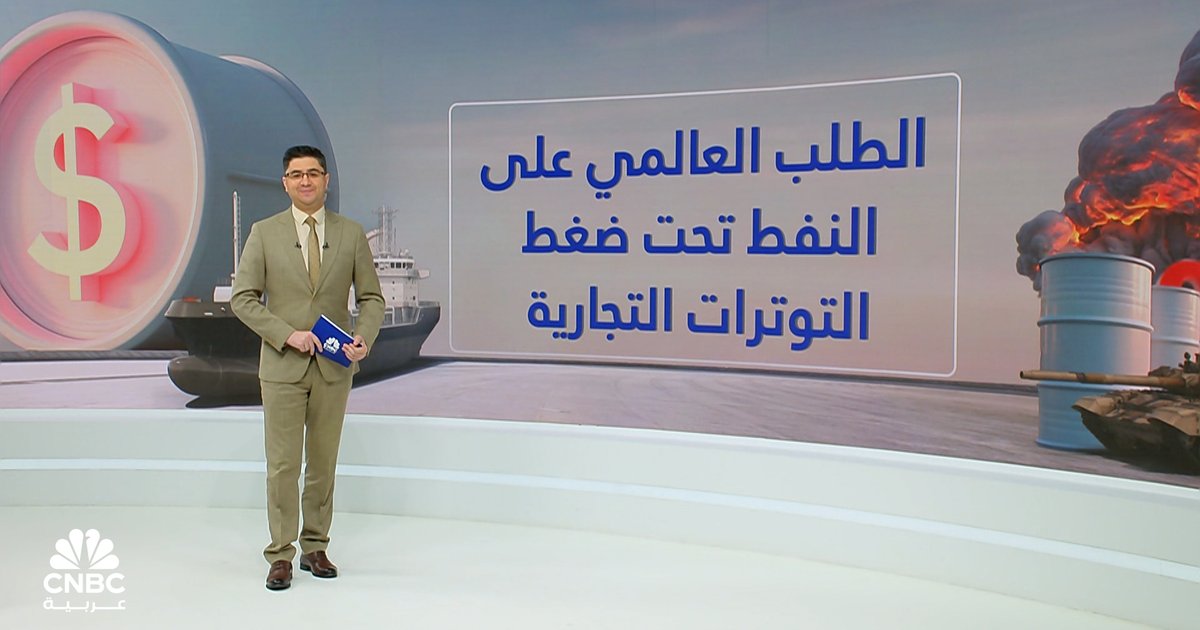
Global oil markets are increasingly anxious as investors and analysts monitor supply movements and potential escalations in conflict zones. This anxiety reflects a prevailing uncertainty in the market, with all eyes on developments that could impact oil prices.
Amid ongoing geopolitical crises, the oil market faces significant challenges, as prices are directly affected by any military escalation or changes in the policies of producing countries. Many experts have pointed out that any escalation in conflicts could lead to sharp price fluctuations, increasing pressure on the global economy.
Event Details
Reports indicate that oil markets have experienced notable fluctuations in recent days, as investors reacted to news from conflict zones. For instance, any military movements in the Middle East or North Africa could significantly impact oil supplies, raising concerns among investors. Additionally, any changes in the policies of major countries such as the United States and Russia could lead to shifts in supplies, further increasing uncertainty in the market.
Furthermore, tensions among oil-producing countries, such as those within OPEC, play a crucial role in determining prices. Member countries strive to achieve a balance between supply and demand, but any escalation in conflicts could disrupt these efforts.
Background & Context
Historically, oil markets have faced numerous crises due to geopolitical conflicts. For example, wars in the Arabian Gulf led to significant increases in oil prices, impacting the global economy. Political crises in Venezuela and Libya have also affected supplies, making markets more sensitive to any news related to conflict.
In recent years, we have also witnessed the impact of the COVID-19 pandemic on oil markets, as movement restrictions led to a significant decline in demand. With the return of economic activity, prices began to recover, but fears of conflicts remain, causing investor anxiety.
Impact & Consequences
Fears of escalating conflicts directly affect oil prices, which in turn reflects on transportation costs and petroleum products. If these fears persist, we may witness a rise in prices, impacting the global economy and increasing pressure on consumers.
Moreover, any increase in prices could exacerbate economic crises in developing countries, which heavily rely on oil imports. Thus, any fluctuations in prices could worsen the economic and social conditions in these nations.
Regional Significance
The Arab region is among the most affected by fluctuations in oil prices, as many countries depend on oil revenues to finance their budgets. Any rise in prices could lead to increased revenues, but at the same time, any escalation in conflicts could threaten these revenues.
Additionally, political crises in the region, such as the conflicts in Yemen and Syria, also affect the stability of oil markets. Therefore, any developments in these conflicts could significantly impact prices, further increasing uncertainty in the market.
In conclusion, oil markets remain under pressure from fears of escalating conflicts, keeping investors and analysts in a state of constant vigilance. The current situation requires close monitoring of geopolitical developments, as any changes could significantly affect prices.