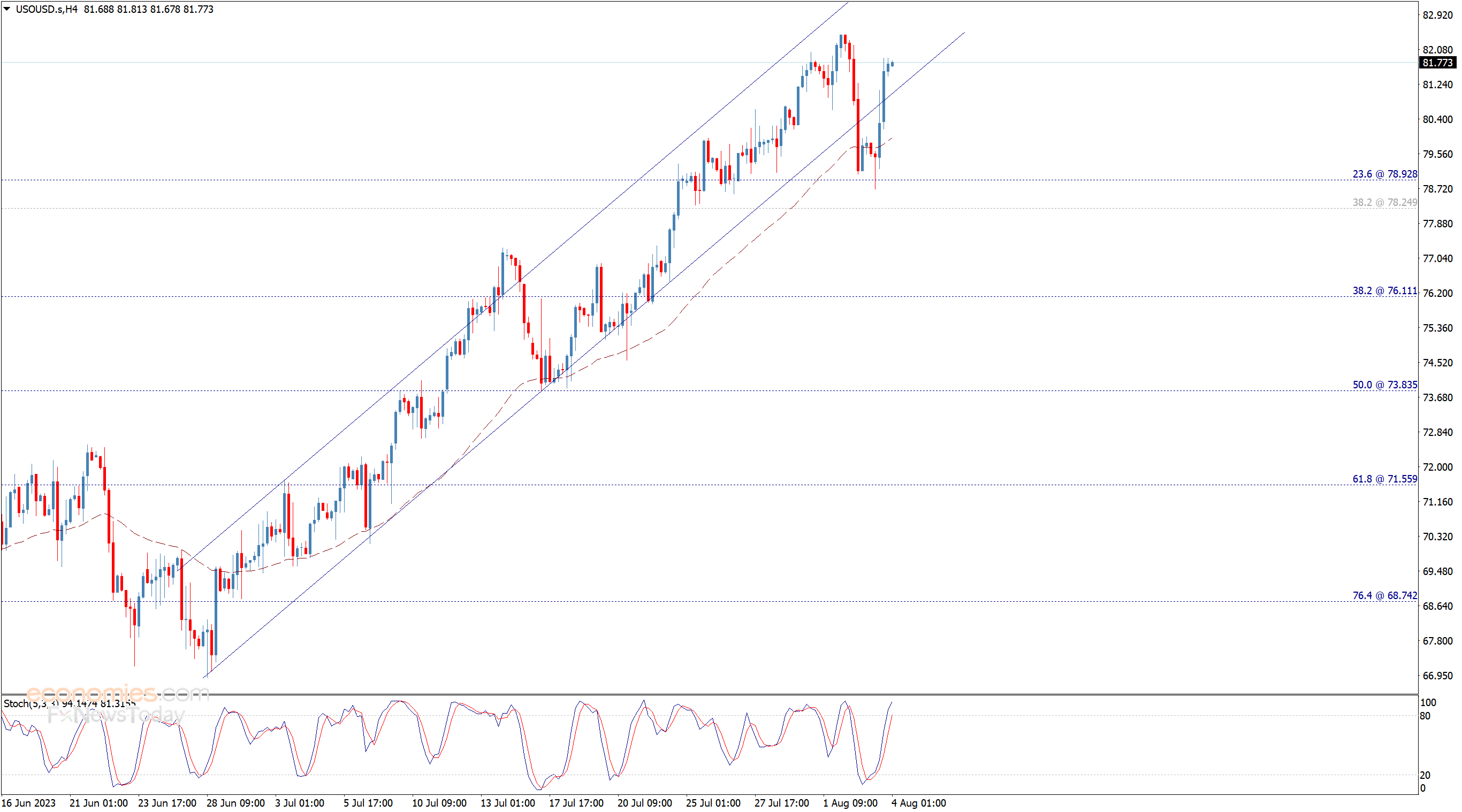
Concerns are rising in global markets about the possibility of oil prices reaching $200 per barrel, which could have significant implications for the global economy. This warning comes at a time when markets are experiencing sharp fluctuations due to geopolitical crises, including conflicts in major oil-producing regions.
While some analysts expect this scenario to be merely a market myth, other reports suggest that current factors could make this figure a potential reality. Supply pressures are increasing amid rising global demand, raising concerns about price stability in the near future.
Details of the Situation
Forecasts indicate that oil prices could rise significantly due to several factors, including increased demand from developing countries, as well as production constraints imposed by OPEC. Additionally, geopolitical crises, such as the conflict in Ukraine, play a significant role in heightening fears of supply shortages.
In this context, some experts have reported that prices could reach record levels if these pressures continue. They indicated that markets may experience sharp fluctuations in the coming months, increasing the likelihood of prices reaching $200 per barrel.
Background & Context
Historically, oil prices have experienced significant fluctuations due to economic and political crises. In 2008, for example, prices reached record levels exceeding $140 per barrel before collapsing sharply. These events remind us that the oil market is heavily influenced by external factors, making it difficult to predict future prices.
Changes in environmental policies and the transition towards renewable energy may also affect oil demand in the future. However, oil still represents a crucial part of the global energy mix, making it hard to envision a future without significant reliance on it.
Impact & Consequences
If oil prices reach $200, it will significantly impact the global economy. Transportation and production costs are expected to rise, which could lead to price increases across all sectors. Additionally, oil-importing countries will face greater economic pressures, potentially resulting in slower economic growth in many regions.
Moreover, this price increase could exacerbate humanitarian crises in some countries, as rising energy costs will affect the most vulnerable populations. Therefore, any significant rise in oil prices will have far-reaching effects on the global economy.
Regional Significance
For Arab countries, there may be both benefits and drawbacks from rising oil prices. Oil-producing countries, such as Saudi Arabia and Iraq, may benefit from increased revenues, which could help support their economies. Conversely, oil-importing countries, such as Egypt and Jordan, may face significant challenges amid rising prices.
In conclusion, the question remains: will oil prices reach $200? The answer is not clear, but what is certain is that markets will remain under continuous pressure from geopolitical and economic factors. Thus, Arab countries must prepare to face any potential repercussions.