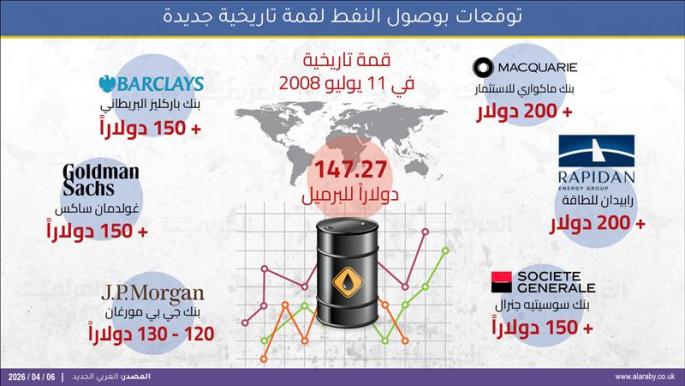
Oil prices are on the verge of achieving a historic leap, with forecasts suggesting that the price per barrel could surpass the $200 mark. If this scenario materializes, prices will exceed the previous record set on July 11, 2008, which reached $147.27.
These predictions come at a time when the global market is experiencing substantial volatility due to multiple factors, including increased energy demand, geopolitical tensions, and the economic policies of major countries.
Details of the Event
Expectations for rising oil prices are increasing amid ongoing crises in certain regions of the world, which are intensifying supply pressures. Recent data has shown that demand for oil remains strong, particularly in Asian markets, enhancing the likelihood of price increases.
Additionally, reports from OPEC indicate that production may not be sufficient to meet the rising demand, placing the market in a sensitive position. If prices exceed $200, it would set a historical precedent in the oil market.
Background & Context
Oil prices have experienced sharp fluctuations over the years, influenced by various factors such as economic crises, wars, and climate changes. In 2008, prices reached their highest levels due to soaring global demand, but the market subsequently faced sharp declines.
In recent years, prices have risen again, driven by economic recovery following the COVID-19 pandemic and increased energy demand. However, geopolitical tensions in regions like the Middle East and Europe play a significant role in determining price trends.
Impact & Consequences
If the price of a barrel of oil surpasses $200, it will significantly impact the global economy. Energy costs are expected to rise, potentially leading to increased inflation in many countries. Oil-producing nations will benefit from this increase, which may bolster their economies.
On the other hand, oil-importing countries will face significant challenges as they will have to pay higher prices, which may affect their public budgets. This scenario could increase pressure on governments to provide support to citizens to cope with rising living costs.
Regional Significance
Arab oil-producing countries are among the primary beneficiaries of rising prices. This increase will boost their revenues, potentially improving economic conditions in some nations. However, countries that rely on oil imports will face greater challenges.
Arab governments must be prepared to address potential economic challenges by implementing effective strategies to manage rising prices and ensure stability in local markets.
In conclusion, surpassing the $200 mark for oil prices is not just a number; it carries significant economic and political implications. All stakeholders must be ready to face these challenges.