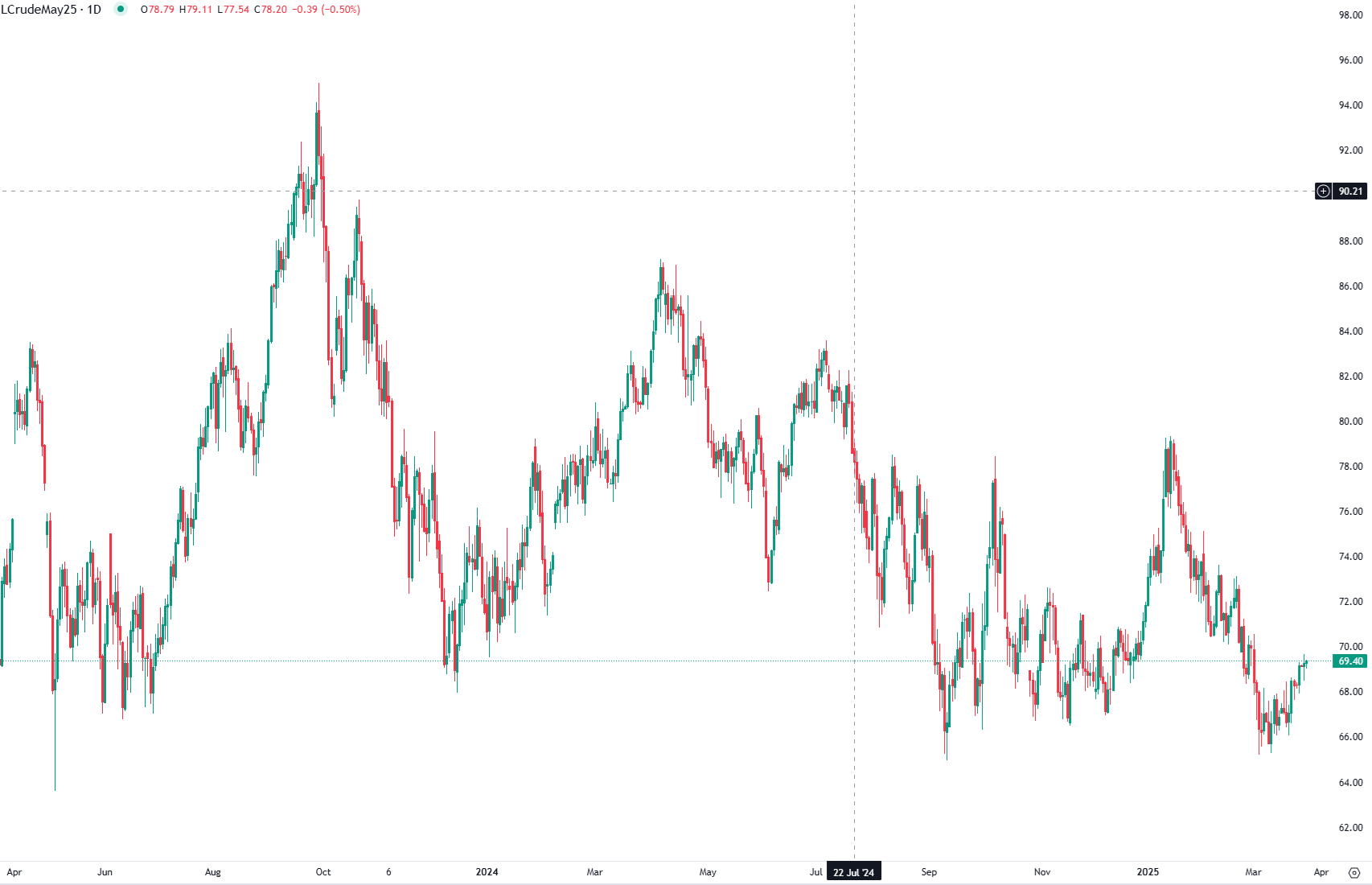
Oil prices are heading towards new record levels, with geopolitical expert Tina Fordham predicting prices could reach $200 per barrel. This trend comes at a time when the world is witnessing a rise in geopolitical tensions, particularly following President Donald Trump's commitment to maintain pressure on Iran, which increases instability in global energy markets.
In her remarks on the "Bloomberg Markets" program, Fordham emphasized that international pressures on Trump are mounting, as he faces growing criticism from allies and trade partners regarding his policy towards Iran. These developments could exacerbate conditions in the oil markets, negatively impacting the global economy.
Event Details
Concerns are rising that the ongoing conflict in the Middle East, especially with Iran, could lead to a severe shortage of oil supplies. Recently, oil prices have seen significant increases, surpassing $80 per barrel, reflecting growing investor anxiety about supply stability.
Iran is one of the largest oil producers in the world, and any military escalation could significantly affect oil flow from the Gulf region. Many analysts have pointed out that any escalation in the conflict could provoke reactions from other producing countries, complicating the situation further.
Background & Context
Historically, oil prices have experienced significant fluctuations due to geopolitical events in the Middle East. For decades, conflicts in the region have directly impacted oil prices, as the Gulf region is a major source of global supplies. In recent years, tensions between the United States and Iran have escalated, leading to the imposition of economic sanctions on Tehran, which has affected its oil production.
In 2018, Trump withdrew from the nuclear deal with Iran, leading to the reimposition of harsh sanctions on the country. These sanctions have significantly reduced Iranian oil exports, increasing pressure on global markets. As tensions rise, it is expected that oil prices will continue to climb.
Impact & Consequences
The potential increase in oil prices could have negative effects on the global economy, as many countries rely on low oil prices to stimulate economic growth. Rising prices may lead to higher transportation and production costs, which would be reflected in the prices of goods and services.
Moreover, this increase could exacerbate economic crises in developing countries that are already under economic pressure. Oil-importing countries will face greater challenges in managing their budgets, potentially leading to increased fiscal deficits.
Regional Significance
For Arab countries, rising oil prices may have varying impacts. Oil-producing nations like Saudi Arabia and the UAE may benefit from this increase, as it will boost their revenues from oil exports. Conversely, oil-importing countries like Egypt and Jordan may face greater challenges in managing energy costs.
In light of these circumstances, Arab nations must be prepared to deal with potential changes in oil markets and seek strategies to enhance the sustainability of their economies amid geopolitical fluctuations.