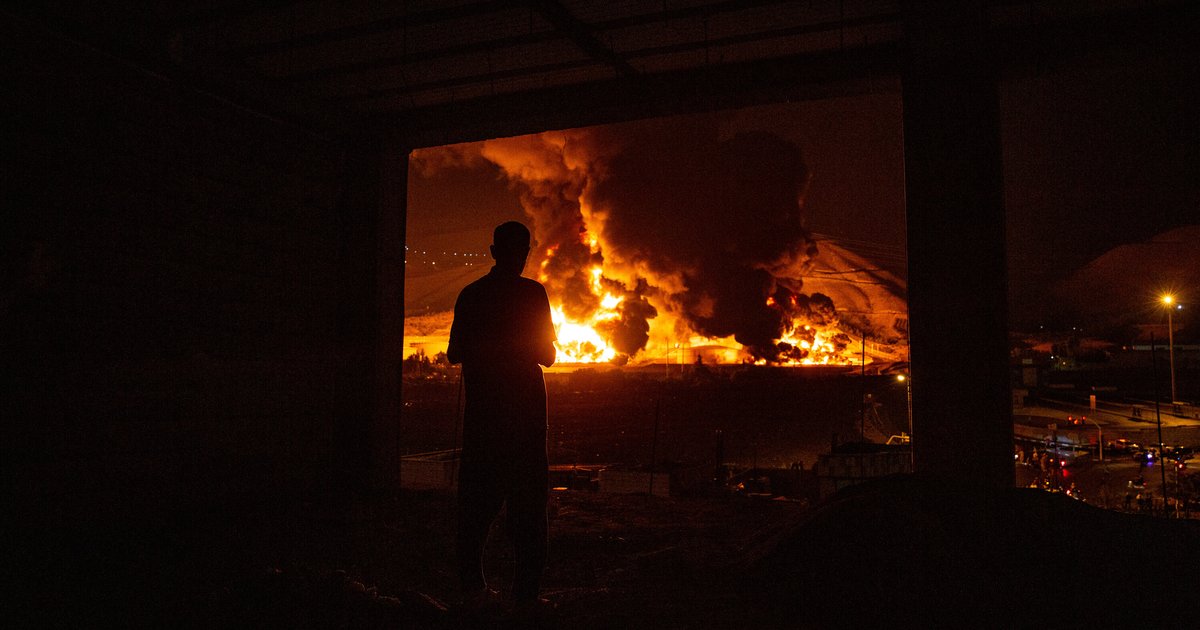
Oil prices have significantly declined following the announcement of a temporary ceasefire between the United States and Iran, raising questions about the impact of this decision on global energy markets. West Texas Intermediate crude experienced a notable decrease, while Brent crude prices were also significantly affected.
These price declines come after weeks of increases driven by escalating tensions between the two countries, which threatened to reignite conflicts in the Middle East. This announcement has elicited mixed reactions from investors and analysts.
Details of the Ceasefire
Reports indicate that the temporary ceasefire was agreed upon as part of diplomatic efforts aimed at easing tensions in the region. This announcement comes at a critical time, as oil prices had seen substantial increases due to fears of escalating conflict between the United States and Iran.
This ceasefire may pave the way for further dialogue between the two parties, potentially impacting the stability of oil markets in the near future. However, questions remain regarding the sustainability of this ceasefire and its long-term effects on prices.
Background & Context
Historically, relations between the United States and Iran have been tense, marked by numerous crises that have directly impacted global oil markets. Since the U.S. withdrawal from the Iranian nuclear deal in 2018, tensions between the two countries have escalated, leading to economic sanctions imposed on Iran.
Iran is considered one of the largest oil producers in the world, and any strain in relations with it directly affects global oil prices. Therefore, any improvement in relations could lead to an increase in Iranian production and consequently a decrease in prices.
Impact & Consequences
This ceasefire is expected to lead to a temporary stabilization of oil prices, but it may not be sufficient to alter long-term trends. The markets remain sensitive to political developments in the region, especially with other factors such as global oil demand and climate change at play.
Moreover, this ceasefire may influence the strategies of oil-producing countries, as some may seek to increase their production to compensate for any potential market shortages. Therefore, markets will closely monitor any new developments in U.S.-Iran relations.
Regional Significance
The Middle East is a vital hub for oil production, and any changes in oil prices directly affect Arab economies. Countries that rely on oil exports, such as Saudi Arabia and Iraq, may experience significant impacts due to price fluctuations.
Furthermore, stability in oil prices could help bolster investments in the region, contributing to economic development. However, the greatest challenge remains how to manage ongoing tensions in the region and their impact on the markets.
The temporary ceasefire between the United States and Iran may contribute to short-term stability in oil prices, but political and economic challenges persist, requiring close monitoring by investors and analysts.