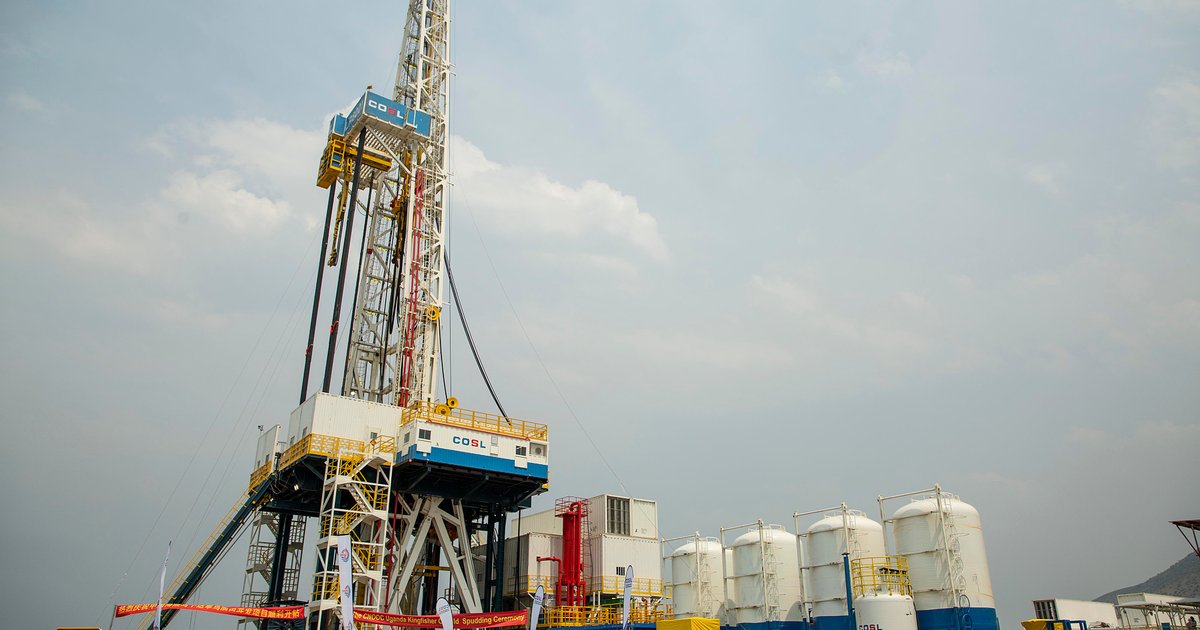
Oil prices have seen a significant decline after U.S. President Donald Trump extended the deadline for Iran to reach a nuclear agreement. This extension comes at a critical time as the market experiences substantial fluctuations, with analysts predicting that this decision will impact global oil prices.
Specifically, oil prices dropped by as much as 3% in global markets following Trump's announcement, reflecting growing concerns over market instability due to geopolitical conditions. Trump indicated that the extension is part of his efforts to reach a comprehensive agreement with Iran, which reflects his strategy in dealing with the Iranian nuclear issue.
Details of the Event
The new deadline granted by Trump to Iran extends until the end of this month, providing Tehran with an additional opportunity to negotiate over its nuclear program. This decision follows a series of talks that have not yielded tangible results, as Iran remains steadfast in its position on uranium enrichment.
This extension coincides with reports suggesting that Iran may resume uranium enrichment at higher levels, escalating tensions in the region. This situation has raised concerns among investors, leading to a notable decline in oil prices.
Background & Context
Historically, relations between the United States and Iran have seen increasing tensions since Trump's withdrawal from the nuclear agreement in 2018. This withdrawal led to the reimposition of economic sanctions on Iran, significantly impacting its economy and causing a decline in its oil exports.
Over the past years, Iran has attempted to adapt to these sanctions by seeking new markets, but ongoing tensions with the United States have resulted in instability in the oil market. Meanwhile, the Trump administration aims to use economic pressure as a means to secure a better deal with Iran.
Impact & Consequences
The decline in oil prices is a direct result of increasing market concerns over instability in the Middle East. This decline may adversely affect oil-producing countries, particularly those heavily reliant on oil revenues in their budgets.
Furthermore, the continued tensions between the United States and Iran could lead to an escalation of situations in the region, potentially affecting maritime traffic in the Strait of Hormuz, which is considered a vital artery for global oil trade. Consequently, any escalation in the situation could lead to a sudden spike in oil prices.
Regional Significance
Arab oil-producing countries, such as Saudi Arabia and the United Arab Emirates, are among the most affected by fluctuations in oil prices. A decline in prices could negatively impact their budgets and increase economic pressures. These countries may find themselves compelled to adjust their economic strategies in light of these changing circumstances.
Moreover, the ongoing tensions in the region may lead to increased investments in alternative energy, as Arab nations seek to diversify their income sources away from oil. In this context, there may be a trend towards enhancing regional cooperation in renewable energy sectors.
In conclusion, the situation in the Middle East remains a focal point for the world, as any changes in U.S. policies towards Iran will have profound effects on oil prices and global markets.