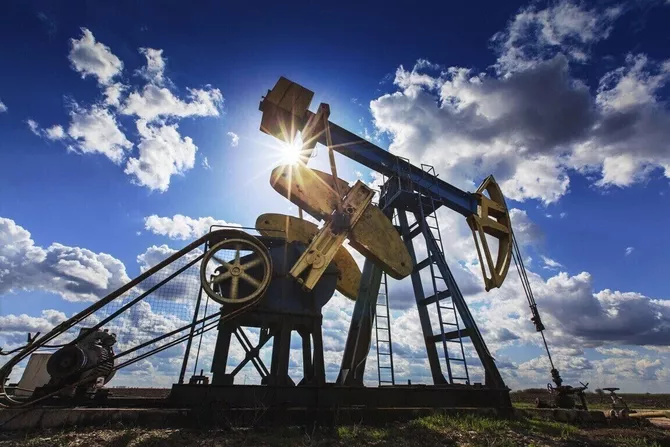
Oil prices fell by 1% during Asian trading, relinquishing earlier gains. This decline comes amid global market fluctuations and changes in supply and demand.
Oil prices have been affected by several factors, including fears of a slowdown in global economic growth, as well as increased production from some producing countries. Brent crude, the benchmark for oil prices, fell to around $90.50 per barrel, while West Texas Intermediate dropped to $85.00 per barrel.
Details of the Event
These developments come at a sensitive time for oil markets, where prices had seen a significant increase in recent weeks, supported by rising demand in some major markets. However, negative forecasts regarding global economic growth have adversely affected market sentiment.
Attention now turns to the upcoming meeting of the Organization of the Petroleum Exporting Countries (OPEC) and its allies, where production strategies are expected to be discussed under the current circumstances. These meetings are crucial in determining price trends in the near future.
Background & Context
Over the years, oil markets have experienced significant fluctuations due to geopolitical events and economic changes. In recent years, the COVID-19 pandemic led to a sharp decline in oil demand, pushing prices to unprecedented levels. As the global economy recovers, prices have begun to rise again, but challenges remain.
Oil prices are an important indicator for global economies, affecting transportation and production costs, and consequently the prices consumers pay. In Arab countries, many economies heavily rely on oil revenues, making them sensitive to price changes.
Impact & Consequences
The decline in oil prices impacts many economic sectors, especially in countries that heavily depend on oil exports. This decline may lead to reduced government budgets, affecting development projects and public services.
Additionally, falling prices may affect corporate investments in the energy sector, as companies may hesitate to undertake new projects amid price instability. This could result in slowed economic growth in some oil-producing countries.
Regional Significance
Arab oil-producing countries are among the most affected by fluctuations in oil prices. With prices declining, these countries may face significant economic challenges, especially given their heavy reliance on oil revenues to finance public budgets.
At the same time, these changes may lead to a reassessment of economic development strategies in the region, as countries may seek to diversify their income sources and reduce their dependence on oil as a primary revenue source.
In conclusion, the future of oil prices remains uncertain, requiring investors and decision-makers to closely monitor developments, especially amid changing global economic conditions.