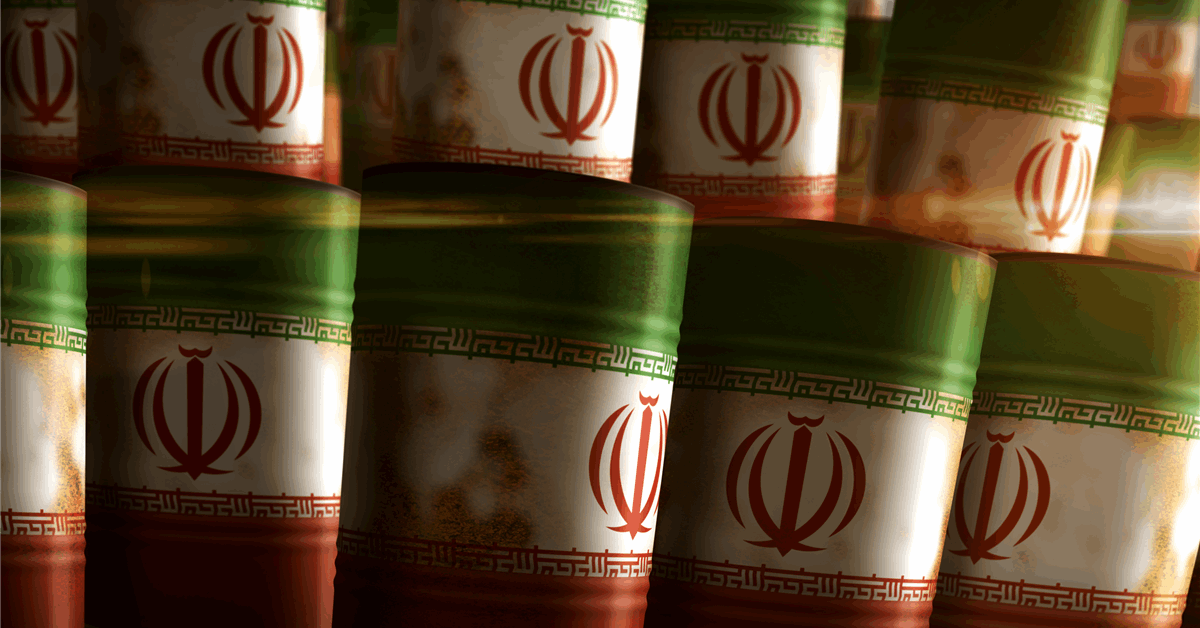
Oil prices have decreased by 1% in global markets after reports emerged suggesting that former President Donald Trump might be willing to end the campaign against Iran. This news arrives at a time when oil markets are experiencing significant fluctuations due to ongoing geopolitical tensions.
The reports published by various media outlets indicate that Trump may be ready to alter his policy toward Iran, which could greatly impact the global oil market. Iranian oil is considered one of the primary sources of oil supplies, and any shift in U.S. policy toward Tehran could lead to an increase in supplies and, consequently, a drop in prices.
Details of the Event
These developments come at a time when oil markets are facing multiple pressures, including fears of economic recession and rising inflation rates. Oil prices have shown notable volatility in recent months, significantly affected by global political and economic events.
At the same time, oil-producing countries, including OPEC, continue to monitor the markets closely as they seek to balance supply and demand. Any change in U.S. policy toward Iran could prompt these countries to reassess their production and pricing strategies.
Background & Context
Historically, relations between the United States and Iran have been strained, particularly following Trump's withdrawal from the Iranian nuclear deal in 2018. This withdrawal led to the imposition of strict economic sanctions on Iran, significantly affecting its oil exports and global oil prices.
Over the years, Iran has sought to boost its oil exports despite the sanctions, as oil is one of its main sources of revenue. Conversely, the United States has been working to reduce global dependence on Iranian oil by enhancing its domestic production.
Impact & Consequences
If any change in U.S. policy toward Iran is implemented, it could lead to a substantial increase in Iranian oil supplies, contributing to a decrease in global prices. This situation would have direct implications for the global economy, especially given the current challenges faced by many countries.
On the other hand, this change could reshape political alliances in the region, as other countries may seek to benefit from any improvement in relations between the United States and Iran.
Regional Significance
For Arab countries, any change in U.S. policy toward Iran could impact security and stability in the region. Many Arab nations, particularly those sharing borders with Iran, are closely monitoring these developments, as Iran is a key player in regional conflicts.
Additionally, lower oil prices could affect the economies of Arab countries that heavily rely on oil revenues, necessitating new economic measures to address these challenges.
In conclusion, oil markets remain under pressure from geopolitical tensions, and any change in U.S. policy toward Iran will have far-reaching consequences for prices and global economies.