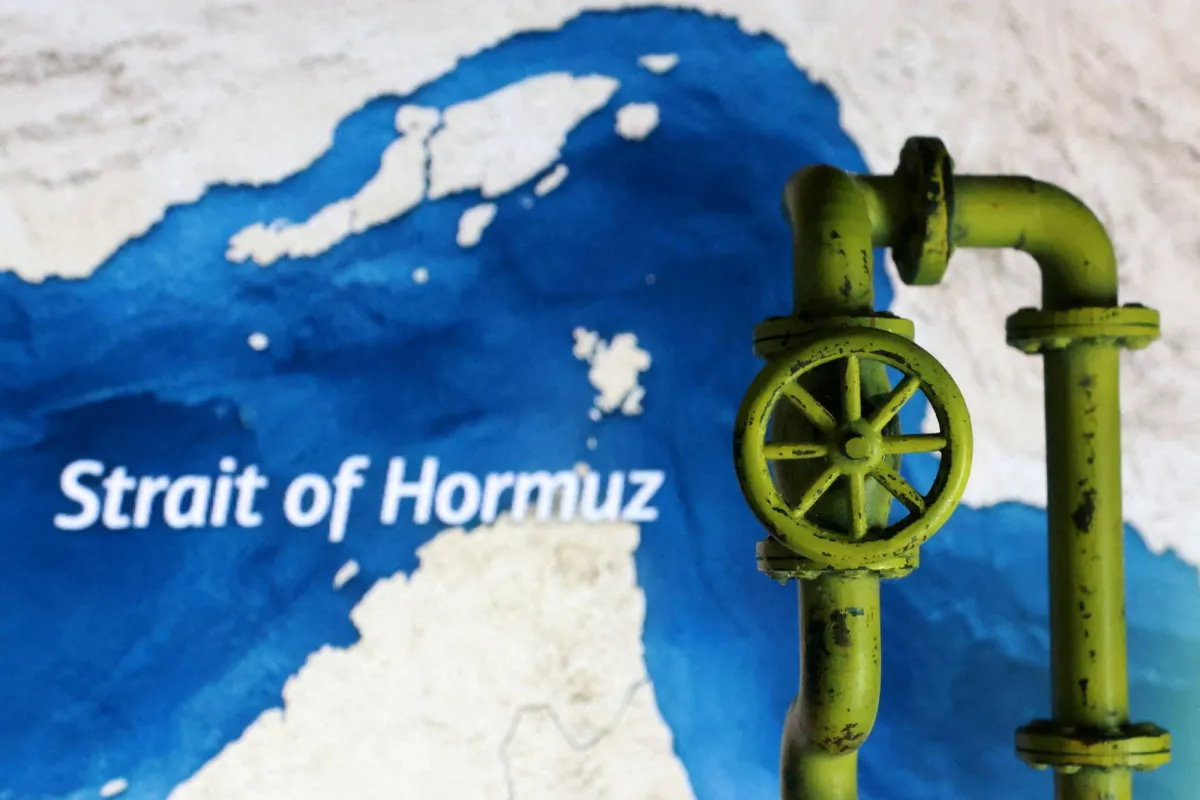
Oil prices dropped by more than $2 in volatile trading on Monday, as investors look for clarity regarding the status of talks between the United States and Iran. Concerns about ongoing supply shortages due to shipping disruptions are casting a shadow over the market.
Brent crude futures fell by $1.92, or 1.76%, reaching $107.11 per barrel at 10:37 AM GMT. Similarly, US West Texas Intermediate crude futures decreased by 1.82%, or $2.03, to record $109.50 per barrel.
Details of the Event
Price movements in Asian trading on Monday showed a significant decline compared to the previous session, where West Texas Intermediate crude rose by 11% and Brent crude by 8%. This increase was the largest since 2020, reflecting heightened market volatility.
The United States and Iran received a proposal to end hostilities, but Iran rejected the immediate reopening of the Strait of Hormuz. This follows threats from former US President Donald Trump to impose severe sanctions on Tehran if an agreement is not reached by the end of Tuesday.
Background & Context
The Strait of Hormuz remains largely closed due to Iranian attacks on maritime navigation since the war began on February 28. Mukesh Sahdev, CEO of the consulting firm X Analysts, stated that the inability to reopen the strait has become a matter of political victory.
As supply disruptions from the Middle East continue, oil refineries are seeking alternative sources of crude oil, particularly from the US and UK North Sea. However, shipping data has shown that some vessels have crossed the Strait of Hormuz, reflecting Iran's policy of allowing ships from friendly nations to pass.
Impact & Consequences
Spot prices for US West Texas Intermediate crude have surged to record levels, with increasing competition among Asian and European refineries to compensate for lost oil flows. Reports indicate that the war may continue, as Iran informed intermediaries of its unwillingness to meet US officials in Islamabad, hindering ceasefire efforts.
Under these circumstances, the Indonesian Minister of Economy announced that airlines would be allowed to raise ticket prices due to increased fuel fees, while providing tax exemptions for some companies. This decision is part of the government's efforts to address the impact of rising global fuel prices on operating costs.
Regional Significance
Countries in the region are significantly affected by rising oil prices, as governments seek to implement measures to mitigate the effects of these increases on the local economy. At the same time, Arab markets are closely monitoring developments in the US-Iran talks, as any progress or setback in these negotiations could directly impact oil prices and supplies.
In conclusion, the situation in the Middle East remains a focal point for investors and analysts, as any changes in the political or military landscape could lead to further fluctuations in oil prices.