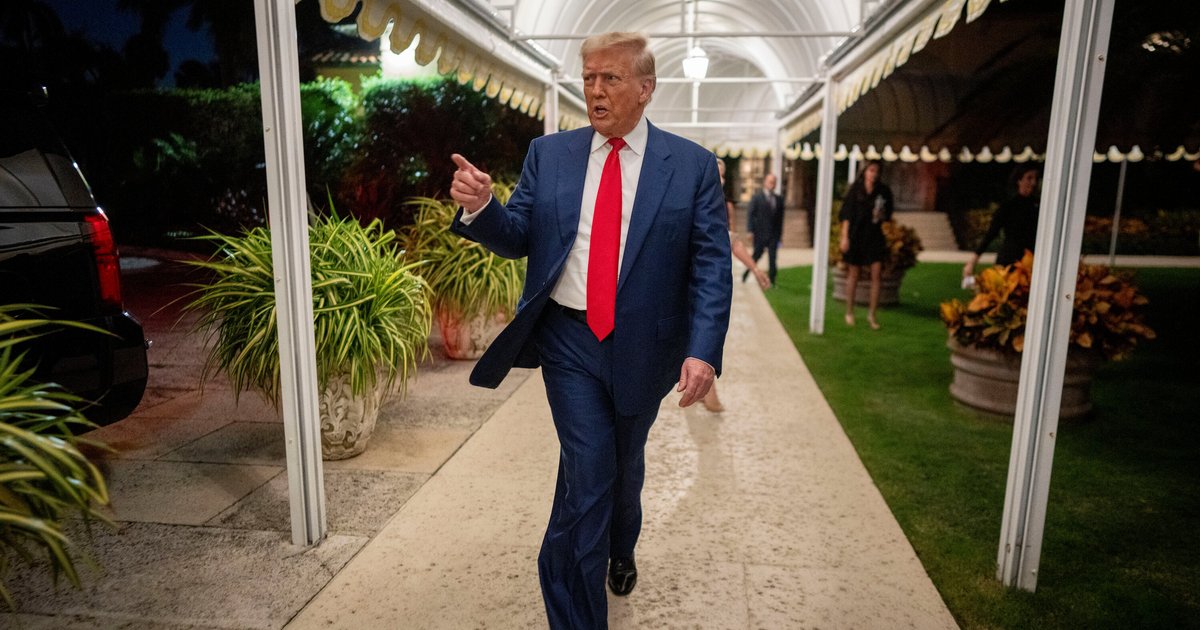
Oil prices have experienced a significant drop, reaching below $100 per barrel after former President Donald Trump announced a ceasefire in the recent regional conflict. This decline reflects the impact of political events on global energy markets.
This move comes at a time when markets are facing considerable challenges, as oil prices had seen notable increases in recent months due to geopolitical tensions. With Trump's announcement, markets began to sense the possibility of stabilizing conditions, leading to a decrease in prices.
Details of the Event
Official sources reported that Trump had engaged in communications with international leaders, contributing to the agreement for a ceasefire. This announcement had an immediate effect on the markets, as oil prices reacted swiftly to the news. Data showed that prices dropped by 5% in the hours following the announcement.
This step is part of broader efforts aimed at calming the situation in a region that has been suffering from escalating armed conflicts. The conflict has raised concerns among investors, prompting them to seek safe havens such as gold.
Background & Context
Historically, oil prices have fluctuated significantly due to political events. Conflicts in the Middle East have always had a direct impact on oil prices, as the region is one of the largest oil producers in the world. In recent years, tensions have escalated due to armed conflicts, leading to unprecedented price increases.
It is noteworthy that oil prices had surpassed the $120 mark earlier this year, negatively affecting the global economy and increasing living costs. However, any positive news regarding political stability often leads to a decrease in prices.
Impact & Consequences
The current decline in oil prices may have positive effects on the global economy, as it could alleviate inflationary pressures. Lower prices may contribute to reduced transportation and production costs, which could positively reflect on the prices of goods and services.
However, caution is warranted as price stability depends on the continuation of political calm. Any new escalation in the conflict could lead to a rise in prices again, placing the global economy in a sensitive position.
Regional Significance
For Arab countries, the drop in oil prices may have varied implications. Countries that heavily rely on oil revenues may face financial challenges, while oil-importing nations could benefit from lower prices.
This price change may also impact economic development plans in many Arab countries, as many governments depend on oil revenues to fund their projects. Therefore, price stability will be crucial for achieving sustainable growth in the region.
In conclusion, the situation in oil markets remains closely tied to political events. Any changes in the political landscape could directly affect prices, making careful monitoring of events essential.