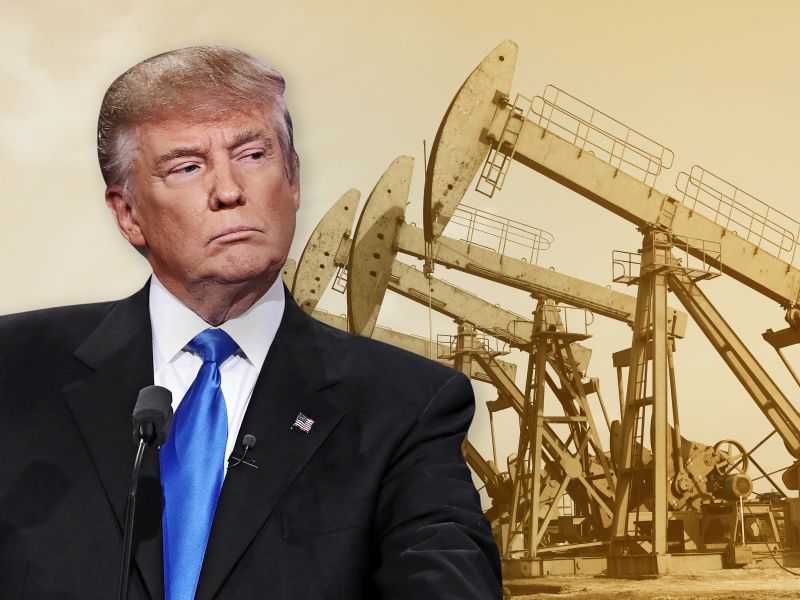
Oil prices have dropped significantly, with futures falling below $100 per barrel, following remarks from U.S. President Donald Trump that sparked optimism regarding the potential end of the Iranian war. This decline comes at a time when the Strait of Hormuz remains largely closed, coupled with an increase in the number of American troops in the area.
These developments signal possible changes in the geopolitical landscape of the Middle East, as Trump's statements reflect a desire to ease tensions that have heavily impacted global oil markets. The Iranian war has caused sharp fluctuations in oil prices, affecting the global economy.
Event Details
As oil prices continue to decline, attention remains focused on political developments in the region. Trump indicated that there is a possibility of reaching an agreement to end the conflict, which could contribute to stabilizing oil markets. However, the situation in the Strait of Hormuz, a vital transit point for oil transportation, remains unstable, complicating the scenario further.
It is noteworthy that the Strait of Hormuz is one of the most important maritime passages in the world, through which approximately 20% of total global oil exports pass. Therefore, any changes in the security situation in this area can significantly impact oil prices.
Background & Context
Historically, the Middle East has witnessed numerous conflicts that have affected oil markets, with wars and disputes consistently leading to price volatility. Since the onset of the Iranian war, oil markets have experienced sharp fluctuations, with prices rising significantly due to fears of supply shortages.
In recent years, tensions between the United States and Iran have escalated, resulting in economic sanctions on Tehran, which have impacted its oil production. However, recent statements from Trump suggest the possibility of a shift in this trend, potentially leading to greater stability in the markets.
Impact & Consequences
If an agreement is reached to end the Iranian war, it could lead to long-term stability in oil prices. Additionally, ending the conflict may open the door for increased Iranian production, which could help meet the growing global demand for oil.
Nevertheless, challenges remain, as the situation in the region is still fragile, and any new escalations could increase instability in the markets. Therefore, investors must closely monitor political developments.
Regional Significance
Oil prices are a key factor affecting the economies of Arab countries, many of which heavily rely on oil revenues. Thus, any changes in oil prices resulting from political developments in Iran could directly impact Arab economies.
If oil prices stabilize as a result of ending the war, it could contribute to economic growth in many Arab countries and enhance their ability to implement development projects. However, Arab nations must remain cautious of any future fluctuations that may arise from the security situation in the region.