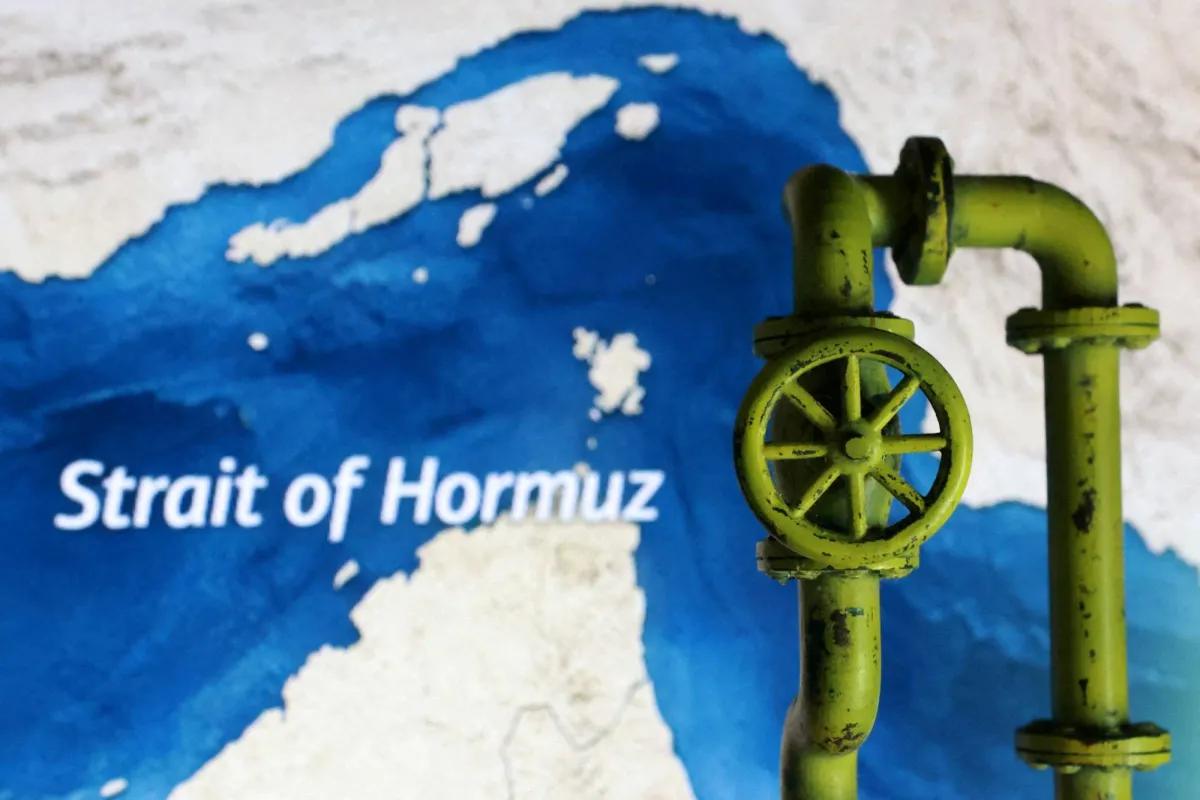
Oil prices dropped below $100 per barrel on Wednesday after U.S. President Donald Trump announced a two-week ceasefire with Iran, conditional on the immediate and safe reopening of the Strait of Hormuz.
Brent crude futures fell by 13.3%, decreasing by $14.51 to reach $94.76 per barrel at 03:30 GMT. Meanwhile, West Texas Intermediate crude dropped by 15.2%, settling at $95.79 per barrel after a decline of $17.16.
Details of the Event
The decline in oil prices followed Trump's ultimatum to Iran to reopen the Strait of Hormuz, a vital passage through which 20% of the world's oil flows. Trump threatened extensive attacks on Iranian civilian infrastructure if his demands were not met.
On social media, Trump wrote: "This is a double ceasefire!" indicating that an entire civilization would face the risk of extinction if his demands were not implemented. In response, Iran stated it would halt its attacks if assaults against it ceased, asserting that safe passage through the Strait of Hormuz would be possible in coordination with Iranian armed forces.
Background & Context
These developments come at a sensitive time, as oil prices have seen unprecedented increases in recent months due to escalating tensions between the United States and Iran. The U.S.-Israeli war with Iran led to the largest monthly increase in oil prices in history during March, with prices soaring by over 50%.
Iran is a key player in the global oil market, and any disruption to its supplies could lead to significant price hikes. Analysts have indicated that any peace agreement may not guarantee long-term price stability, as Iran may continue to threaten the Strait of Hormuz.
Impact & Consequences
Rising oil prices directly affect the global economy, potentially leading to increased inflation and complicating central banks' decisions regarding interest rates. The Federal Reserve has warned that ongoing disruptions in oil trade could push inflation in the United States beyond 4% by the end of the year.
Gold prices have also seen a notable increase, rising by 2.3% to reach $4812.49 per ounce, reflecting market reassessments of near-term risks.
Regional Significance
The Arabian Gulf region is among the most affected by fluctuations in oil prices, with many of its countries' economies relying on oil revenues. Any escalation in tensions between the United States and Iran could have negative repercussions on economic stability in the region.
Gulf countries are seeking to stabilize oil markets, and Pakistan may play a mediating role in negotiations between Washington and Tehran. Any agreement could help ease tensions and lead to price stabilization.
Recent developments underscore the importance of monitoring events in the region and their impact on global markets. It remains to be seen how the involved parties will respond to these developments and whether they will lead to long-term stability in oil prices.