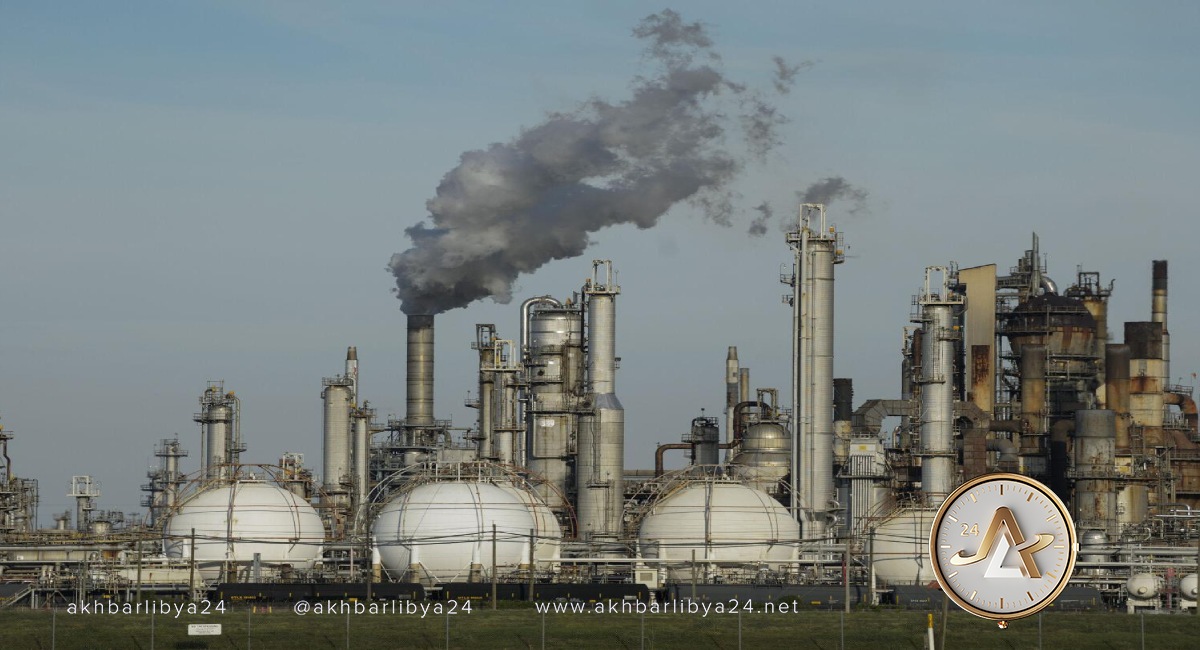
The American economy, long considered one of the most robust and resilient, is facing new challenges due to skyrocketing oil prices caused by the ongoing conflict between Iran and the United States. The American economy has experienced notable growth over five consecutive years post-2020 pandemic, boosting confidence in its ability to withstand crises. However, the sharp rise in oil prices poses a potential threat leading to an economic recession.
The fundamental factors contributing to rising oil prices stem from instability in the region, where the ongoing conflict creates tensions and reduces production. This, in turn, pressures markets and increases fuel costs for both consumers and businesses. Economists are expected to monitor oil prices closely, as estimates suggest that surpassing a certain price per barrel could reflect the onset of economic contraction.
As the U.S. government and the Federal Reserve continue to track these developments, there must be an effective response to safeguard the economy from surrounding risks. The administration is attempting to mitigate these pressures through political and economic measures aimed at stability in prices and energy security.
With rising pressures, the American economy is facing a new test. The continuity of growth or its decline largely depends on how markets react to developments in oil prices. Thus, any significant change in prices may directly impact consumers' purchasing power, which is a primary driver of economic growth.
Consequently, the biggest challenge facing policymakers is how to balance economic stimulus with inflationary pressures resulting from rising prices. History tends to repeat itself, and the repeated hikes in oil prices may push many countries towards recession, a consideration for the U.S. economy as it navigates through this complex crisis.