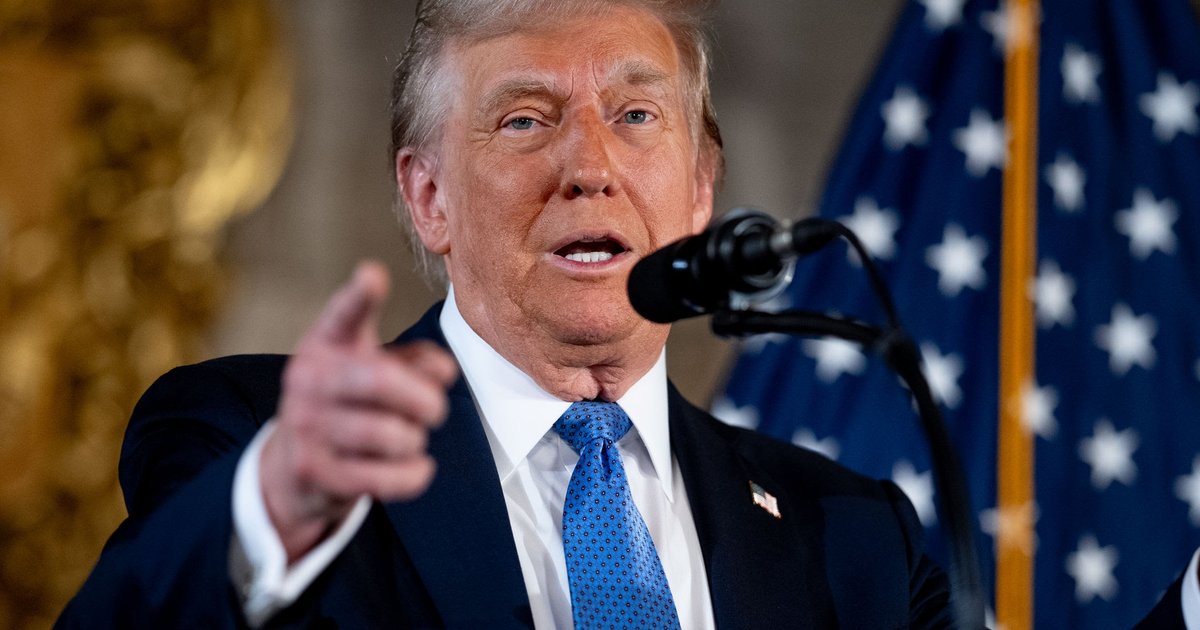
Oil prices have dropped below $100 per barrel after U.S. President Donald Trump announced the commencement of negotiations with Iran. Trump indicated that discussions are taking place with 'the right people' in the Islamic Republic, raising questions about the future of relations between Washington and Tehran.
Trump's remarks came at a sensitive time, as oil prices had seen notable increases in recent weeks due to geopolitical tensions in the region. However, hopes for improved relations between the United States and Iran have contributed to a significant decline in prices.
Details of the Event
In his comments to reporters, Trump stated that Iran has provided a 'very big gift' to the United States, opening the door to new negotiation possibilities. These statements come at a time when economic pressures on Iran are increasing due to sanctions imposed on it, which have significantly impacted its oil sector.
Following these remarks, oil prices fell to around $95 per barrel, reflecting the market's swift reaction to political news. Analysts have pointed out that this decline may be temporary, given the ongoing tensions in the region.
Background & Context
Historically, relations between the United States and Iran have been strained, especially after the U.S. withdrawal from the nuclear agreement in 2018. Since then, Washington has imposed strict sanctions on Iran, affecting its oil exports and leading to a global rise in oil prices.
In recent years, oil prices have experienced significant fluctuations due to political and economic events, including crises in the Middle East. However, any signs of improving relations between the United States and Iran could lead to stabilization in oil prices, which many market investors are hoping for.
Impact & Consequences
The decline in oil prices could have widespread effects on the global economy, particularly given the heavy reliance of many countries on oil revenues. If negotiations between the United States and Iran continue, we may see an improvement in prices in the long term, which could positively impact the global economy.
On the other hand, falling prices may exert pressure on oil-producing countries, especially those that heavily depend on oil revenues to finance their budgets. This could lead to economic fluctuations in some countries, necessitating close monitoring by investors and policymakers.
Regional Significance
The impact of falling oil prices will be felt in the Arab region, where many countries such as Saudi Arabia, Iraq, and Kuwait are among the largest oil producers. A decline in prices could affect the budgets of these countries, potentially leading to cuts in government spending and delays in development projects.
Moreover, any improvement in relations between the United States and Iran could affect the political balances in the region, as other countries may seek to reassess their strategies based on new developments.
In conclusion, it remains to be seen how events will unfold in the coming days and weeks, and whether negotiations will yield tangible results that impact oil prices and global markets.