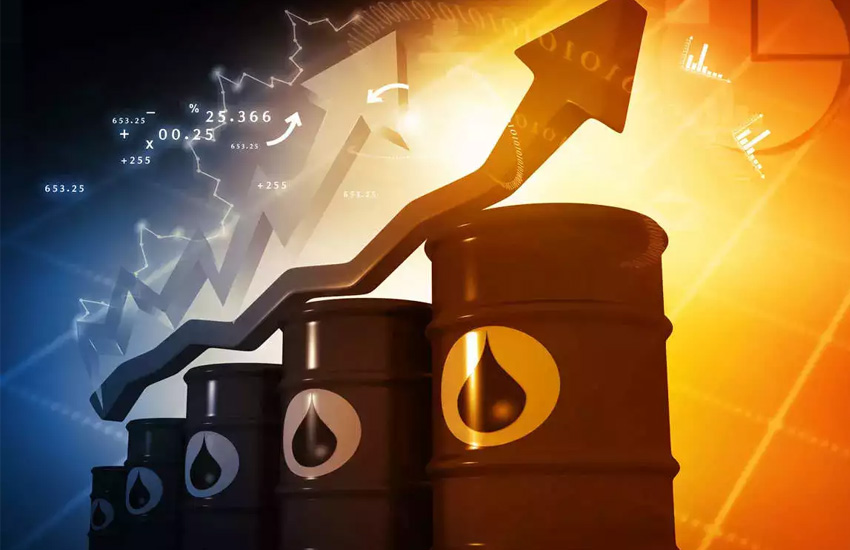
Crude oil prices, such as Brent and West Texas, continue to fluctuate around the $100 mark, while sharp increases in fuel costs indicate worsening market disruptions. This phenomenon raises questions about the accuracy of current prices in reflecting the true supply situation.
While oil prices remain at high levels, fuel costs are significantly increasing, highlighting a global supply crisis. This disparity between prices and costs reflects a state of instability in the market, as concerns grow over negative impacts on the global economy.
Event Details
Data indicates that crude oil prices, such as Brent and West Texas, remain relatively stable, trading at low levels around $100. However, fuel costs, which include gasoline and diesel, are experiencing sharp increases, raising concerns among consumers and businesses alike. These price hikes reflect ongoing disruptions in supply chains, which have been significantly affected by geopolitical crises and climate changes.
Market pressures are increasing due to declining production in some oil-producing countries, alongside rising global energy demand. These combined factors contribute to creating a state of uncertainty in the market, making it difficult to predict future prices.
Background & Context
Oil markets have experienced significant volatility in recent years, directly impacted by geopolitical events, such as conflicts in the Middle East and sanctions imposed on certain producing countries. Historically, oil prices have been greatly influenced by supply and demand; however, currently, it seems that additional factors are playing a role in determining prices.
For instance, the COVID-19 pandemic led to a sharp decline in oil demand, causing prices to drop significantly. However, as the global economy recovers, demand has risen again, but production has not been able to keep pace with this increasing demand, leading to a supply crisis.
Impact & Consequences
Rising fuel prices directly affect consumers, increasing the cost of living and impacting purchasing power. Additionally, businesses, especially those reliant on transportation, face significant challenges in managing costs, which could lead to price increases for consumers.
Moreover, these price hikes could have negative effects on economic growth, potentially leading to a slowdown in economic activity and an increase in inflation rates. In this context, governments and central banks must take appropriate measures to address these challenges.
Regional Significance
Arab oil-producing countries are among the most affected by fluctuations in oil prices. While rising prices may have a positive impact on government revenues, they simultaneously increase pressure on citizens due to higher fuel costs.
Under these circumstances, Arab countries must consider long-term strategies to reduce dependence on oil and enhance economic diversification. There should also be efforts to improve energy efficiency and develop renewable energy sources.
In conclusion, oil prices remain a complex issue that requires careful monitoring and a deep understanding of current and future challenges. The increases in fuel costs indicate a larger crisis that could impact the global economy, necessitating immediate action to address these challenges.