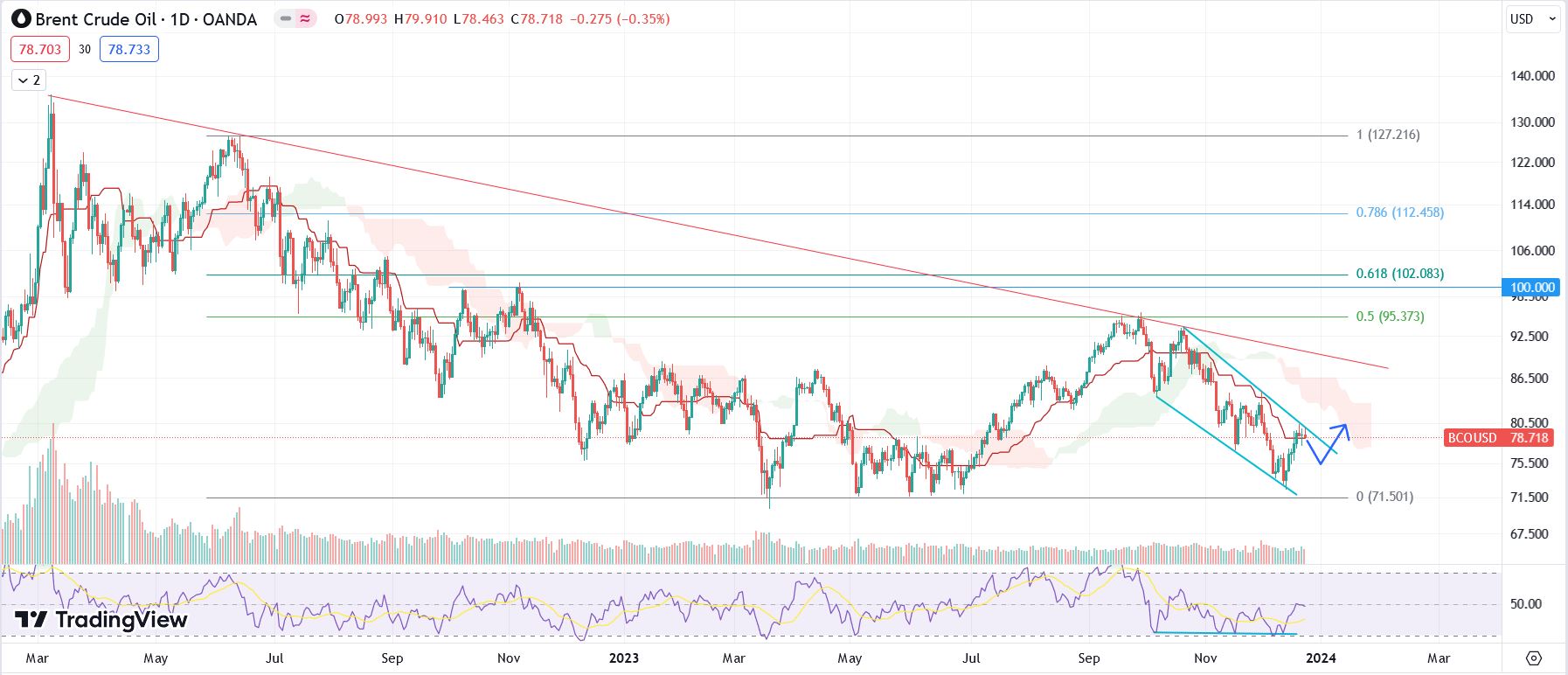
A financial market analyst reports that international institutions indicate oil prices could rise by up to 24% by the end of this year. This forecast comes amid ongoing geopolitical tensions and increasing energy demand, which are causing significant fluctuations in the global market.
Concerns are growing regarding the impact of global crises on oil prices, as several factors play a crucial role in determining these prices. Among these factors are tensions in the Middle East, which directly affect oil supplies, along with the continuous rise in demand from major countries.
Details of the Event
The forecasts from international institutions followed a comprehensive market analysis, showing that demand for oil may significantly increase in the coming months. The analyst noted that prices could exceed their current levels, potentially leading to widespread economic impacts.
Furthermore, geopolitical tensions, such as conflicts in major production areas, play a pivotal role in driving prices upward. These combined factors could lead to market instability, making it challenging to accurately predict future prices.
Background & Context
Historically, oil prices have experienced significant fluctuations due to political and economic events. In recent years, several crises have led to sudden price increases. For instance, conflicts in Libya and Venezuela, along with sanctions imposed on Iran, have had direct effects on supplies.
The COVID-19 pandemic also significantly impacted global demand; however, with the recovery of the global economy, prices have begun to rise again. This recovery, driven by increasing demand, could have a substantial effect on oil prices in the near future.
Impact & Consequences
If oil prices continue to rise, this could significantly affect the global economy. Consumer countries may face economic pressures due to rising energy costs, potentially leading to increased inflation.
On the other hand, oil-producing countries may benefit from this price increase, enhancing their budgets and increasing investments in new projects. However, these countries must remain cautious of future fluctuations that could impact the stability of their markets.
Regional Significance
Arab countries are among the largest oil producers in the world, and any changes in prices directly affect their economies. Rising prices could lead to increased revenues in countries like Saudi Arabia and the UAE, bolstering development projects.
However, these countries must consider future challenges, such as the shift towards renewable energy and international pressure to reduce dependence on fossil fuels. These challenges could impact the sustainability of economic growth in the region.
In conclusion, the future of oil prices remains uncertain, but current forecasts suggest a potential continuation of the rise. Both producing and consuming countries must prepare to face upcoming challenges.