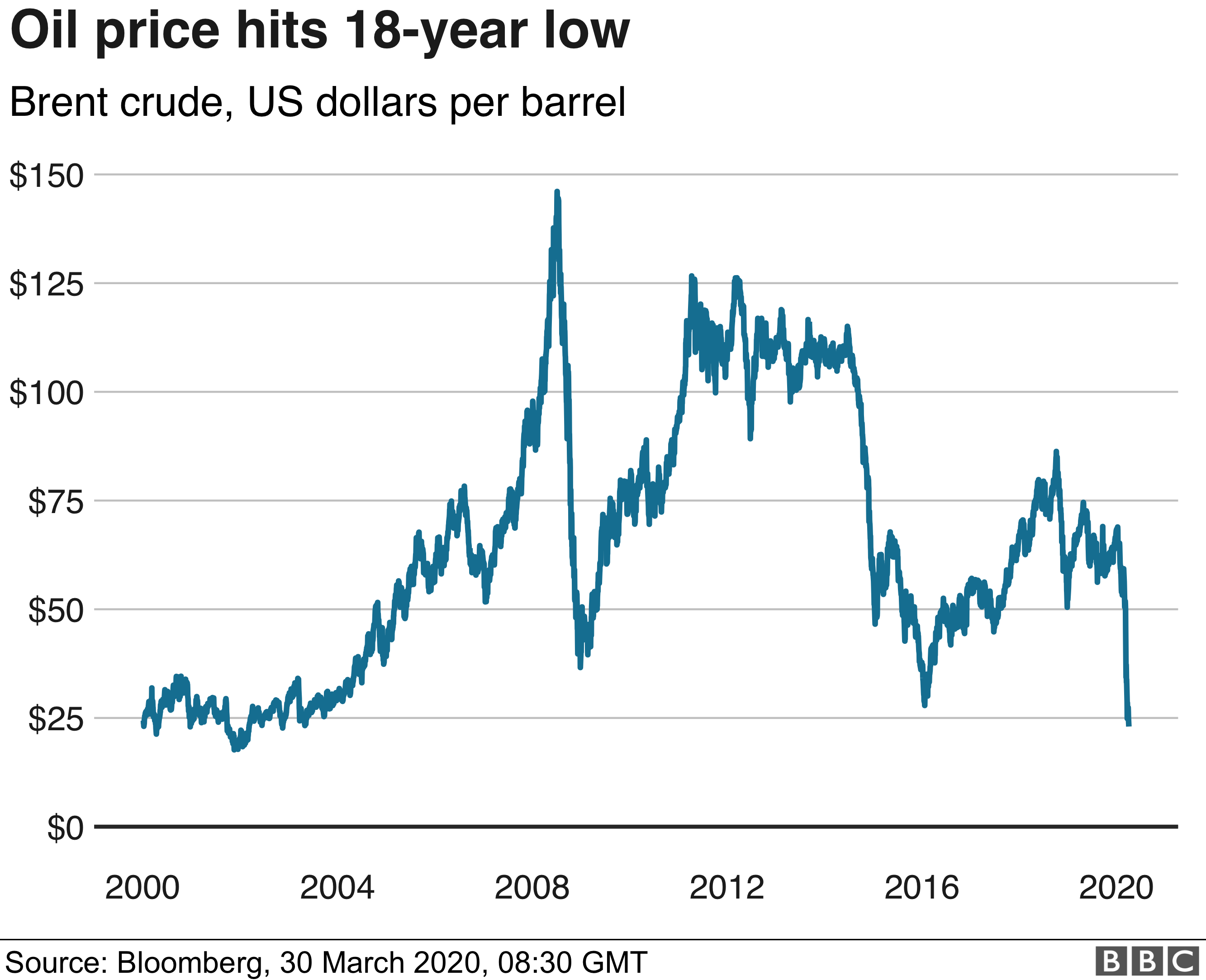
Economic forecasts indicate that oil prices may rise significantly in the coming period, amid increasing global crises affecting markets. These potential increases come at a time when the world is facing major challenges related to energy supply and demand, raising concerns among many countries.
Fears are growing that geopolitical and economic crises could lead to a shortage of oil supplies, negatively impacting prices. While major countries strive to stabilize energy markets, the current situation seems likely to produce counterproductive results.
Details of the Event
Attention is currently focused on global oil markets, where reports suggest that prices may reach new record levels. Many analysts have confirmed that contributing factors include geopolitical tensions, such as conflicts in major oil-producing regions, as well as changes in the economic policies of major countries.
In this context, some experts have pointed out that demand for oil remains strong, especially in developing countries experiencing rapid economic growth. However, any disruption in supplies could lead to unexpected price increases.
Background & Context
Historically, oil markets have experienced significant fluctuations due to political and economic crises. For example, in the 1970s, the oil crisis led to a substantial increase in prices, impacting the global economy. Today, it seems history is repeating itself, as fears of a recurrence of those scenarios are on the rise.
The Middle East is considered one of the most sensitive regions regarding oil production, with major producing countries like Saudi Arabia, Iraq, and Iran making up a large portion of global supplies. Any tension in this region can significantly affect prices.
Impact & Consequences
If oil prices continue to rise, it could lead to significant economic repercussions worldwide. Oil-importing countries are expected to be negatively affected, as energy costs will rise, potentially leading to increased inflation.
On the other hand, oil-producing countries may benefit from these increases, as their financial revenues will rise. However, these countries must be cautious about over-reliance on oil revenues, especially amid global shifts towards renewable energy.
Regional Significance
For the Arab region, rising oil prices could have dual effects. On one hand, producing countries like Saudi Arabia and the UAE will benefit from increased revenues, bolstering their economies. On the other hand, importing countries like Egypt and Jordan may face challenges in meeting their energy needs.
Under these circumstances, Arab countries must develop strategies to adapt to fluctuations in oil prices, including enhancing investment in renewable energy sources and diversifying their economies.
The challenges facing global oil markets require countries to take proactive steps to address potential crises. In light of the current situation, the most pressing question remains: how will countries respond to these changes to ensure the stability of their economies?