Oil prices have fallen by more than 5% in global markets, while Asian stocks have seen a notable rise after U.S. President Donald Trump's comments about the possibility of resuming negotiations with Iran. These developments come at a sensitive time marked by increasing tensions in the region.
In market details, Brent crude prices dropped to levels not seen in several months, with the price per barrel falling below $80. This decline comes as investors seek to assess the potential impact of possible negotiations between the United States and Iran on global oil markets.
Event Details
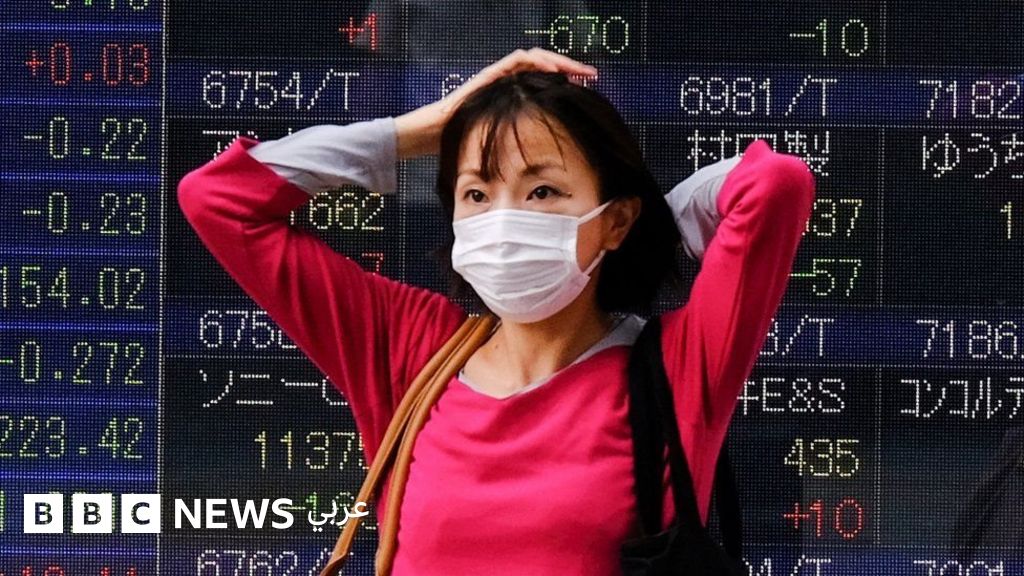
In the Tokyo Stock Exchange, the Nikkei 225 index of Japanese stocks rose by 2.8% to reach 30,537.21 points, reflecting investor optimism regarding stability in the Middle East. Similarly, stock markets in Hong Kong and Singapore experienced similar increases, as markets reacted positively to news related to the negotiations.
Trump's remarks came after a period of military escalation between Iran and the United States, where tensions had peaked in recent months, negatively impacting oil prices. However, the discussion about the possibility of reaching an agreement may ease these tensions, leading to positive market reactions.
Background & Context
Since the United States withdrew from the Iranian nuclear deal in 2018, relations between Washington and Tehran have significantly deteriorated. The United States has imposed strict economic sanctions on Iran, severely affecting its economy and oil activity. However, political changes in the region, including the U.S. elections, may open the door for new negotiations.
Historically, oil prices have been greatly affected by geopolitical tensions in the Middle East, which is considered one of the largest oil sources in the world. Any developments in U.S.-Iran relations could impact oil supplies, reflecting on global prices.
Impact & Consequences
The drop in oil prices could have multiple effects on the global economy, as lower prices can lead to reduced energy costs for importing countries, thereby boosting economic growth. Conversely, this may negatively impact oil-producing countries that heavily rely on oil revenues to finance their budgets.
Additionally, resuming negotiations could improve relations between Iran and Western countries, potentially opening the door for new investments in the Iranian oil sector. This could contribute to an increase in Iranian oil production, thereby affecting global prices.
Regional Significance
Arab countries are directly affected by developments in oil prices, as many of these countries rely on oil revenues as a primary source of funding. The drop in prices could impact the budgets of Gulf countries, which may reflect on development projects and government spending.
At the same time, price stability resulting from improved relations between Iran and the United States could contribute to enhancing stability in the region, benefiting Arab countries. Therefore, monitoring these negotiations will be of great importance to all parties involved.
In conclusion, financial markets remain under the influence of geopolitical tensions, as any new developments could affect oil prices and global markets in general. Thus, it is important to closely follow events to understand their impact on the global economy and the region.