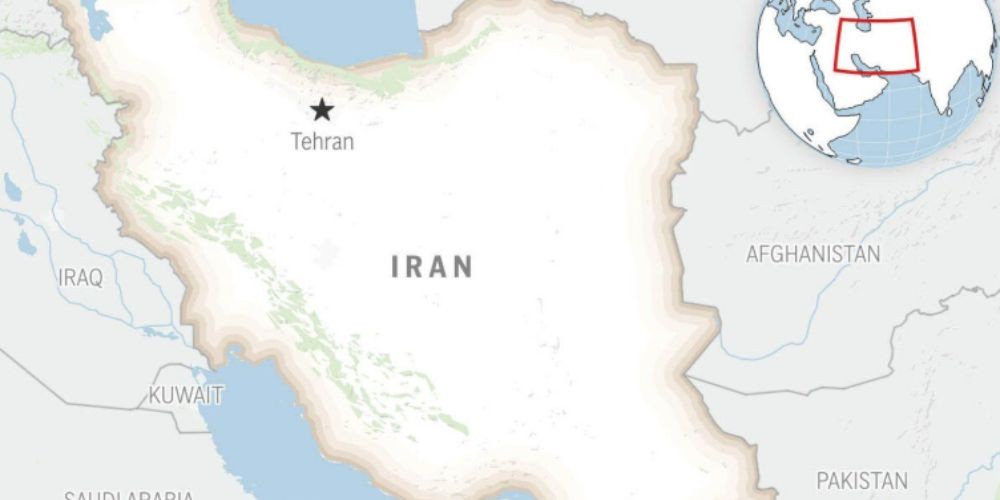
Oil prices saw a substantial decline in global markets following U.S. President Donald Trump's announcement of a conditional ceasefire with Iran. This drop occurs amidst rising tensions between the United States and Iran, raising investor concerns about the stability of energy markets.
Trump's statements emphasized the possibility of reaching an agreement with Iran, leading to a noticeable decrease in prices. The price of crude oil fell by more than 5%, reaching its lowest level in several months. This decline reflects the markets' reaction to volatile political news.
Event Details
Trump announced the ceasefire after military escalation between the U.S. and Iran, where fears of the conflict escalating into a full-scale war were prevalent. This announcement came after a series of reciprocal attacks, prompting markets to react swiftly to the news. Data showed that markets were anticipating greater escalation, thus the announcement came as a positive shock for investors.
At the same time, Trump indicated that economic sanctions on Iran would remain in place, suggesting that the situation remains fragile. This contradiction in statements increases uncertainty in the markets, with investors questioning the future of U.S.-Iran relations.
Background & Context
Historically, oil prices have been significantly affected by geopolitical tensions in the Middle East. Iran, being one of the largest oil producers in the world, plays a pivotal role in price stability. In recent years, we have witnessed several crises that led to sharp fluctuations in oil prices, ranging from economic sanctions to military conflicts.
In 2018, the United States withdrew from the nuclear agreement with Iran, leading to the imposition of new sanctions on Tehran. These sanctions significantly impacted Iranian oil production, contributing to price increases at that time. However, any signals towards easing tensions, such as Trump's recent announcement, can lead to price declines.
Impact & Consequences
This drop in oil prices could have wide-ranging effects on the global economy, particularly on countries that heavily rely on oil revenues. Oil-producing nations may face new economic challenges, potentially leading to budget cuts and increased social pressures.
Additionally, companies operating in the energy sector may also be affected, as investments in new projects could decline due to price uncertainty. This situation may lead to volatility in stock markets as investors react to economic and political news.
Regional Significance
For Arab countries, the decline in oil prices could significantly impact their economies. Many Gulf nations heavily depend on oil revenues, and any drop in prices could negatively affect their economic development plans. These countries may need to reassess their budgets and move towards diversifying their income sources.
Moreover, the ongoing tensions between the U.S. and Iran could exacerbate conditions in the region, increasing instability. This situation may affect foreign investments and heighten economic risks.
In conclusion, the situation in oil markets remains volatile, with prices reacting to political events. It is crucial to closely monitor developments, as any new changes could significantly impact both the global and regional economies.